
Planting
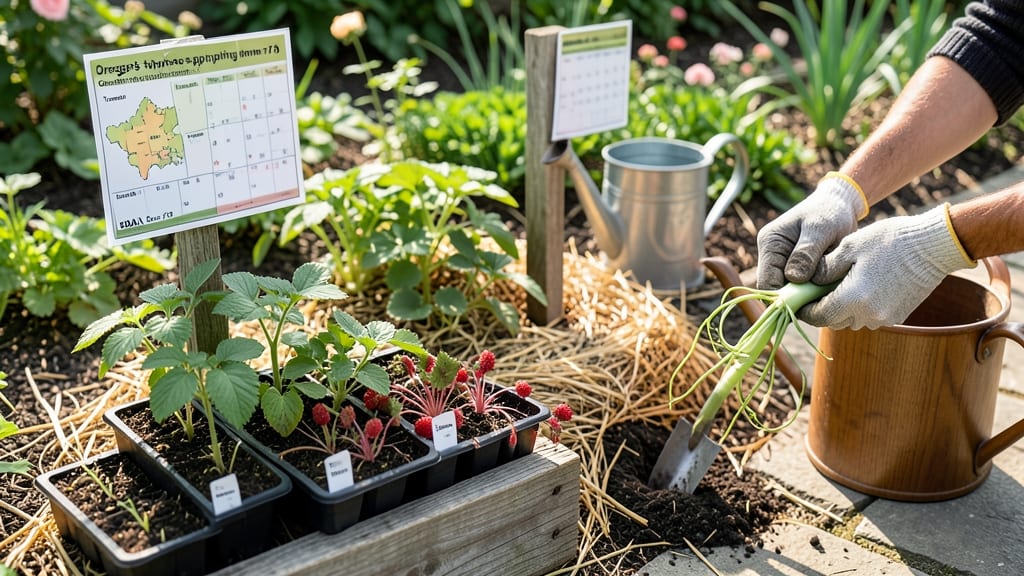
Planting a garden in Oregon depends on your exact location—coastal fog delays starts, while high-desert heat demands early action, and the wrong timing can mean wasted seeds or stunted crops.
Oregon’s diverse microclimates—from coastal fog to high-desert heat—mean your garden’s planting window can vary by hundreds of days. Get the exact frost-free timeline for your region to maximize yields and avoid costly mistakes.
Whether you’re in the Willamette Valley, the Columbia Gorge, or the Klamath Basin, knowing when to plant isn’t just about dates—it’s about soil temperature, frost risk, and even urban heat islands that can shift your window by weeks.
Below, I break down the ideal planting windows for spring and fall, region-specific frost dates, and how to adjust for your microclimate so you can grow a thriving General Oregon Garden 🌱 all season long.
Oregon’s frost-free zones: when to start planting by region
Oregon’s diverse microclimates create wildly different planting windows—coastal areas like Astoria may have frost-free soil by February 15, while high-desert Bend waits until May 15. Understanding your USDA zone and local frost dates is critical to avoid killing tender seedlings.
I’ll break down the exact last frost dates for Oregon’s key regions, plus adjustments for urban heat islands that can push planting dates earlier.
Western Oregon—including the Willamette Valley and coastal areas—typically falls in USDA Zones 7b-8a, with cooler, wetter conditions. The coastal fog near Cannon Beach can delay spring warmth, while Portland’s urban heat might let you plant 2-3 weeks earlier than rural areas.
Eastern Oregon’s high desert, including Bend and La Grande, runs Zones 5b-7a, with longer frost risks and shorter growing seasons.
Southern Oregon—around Medford and Redmond—enjoys Zone 8a-9a, with earlier springs and longer frost-free periods. Here, you can often start warm-season crops like tomatoes by April 1, while coastal gardeners might wait until May 15.
Always check your local extension office for year-to-year variations, as El Niño or La Niña can shift frost dates by weeks.
🌱 Key Takeaway: Use the 50°F soil temperature rule—plant when soil warms to this threshold, not just air temperature. A soil thermometer is your best tool for accuracy.
| Region | USDA Zone | Avg. Last Frost | Avg. First Frost | Frost-Free Days | Urban Adjustment |
|---|---|---|---|---|---|
| Coastal (Astoria, Cannon Beach) | 7b-8a | February 15 - March 1 | November 1 - November 15 | 180-200 days | +1 week (paved areas) |
| Willamette Valley (Portland, Salem) | 7b-8a | March 15 - April 1 | October 15 - November 1 | 160-180 days | +2 weeks (urban heat) |
| High Desert (Bend, La Grande) | 5b-7a | May 1 - May 15 | September 15 - October 1 | 120-140 days | -1 week (cold pockets) |
| Southern Oregon (Medford, Redmond) | 8a-9a | March 1 - March 15 | November 15 - December 1 | 200-220 days | +1 week (valley warmth) |
| Mount Hood (Elevation 2,000+ ft) | 5b-6a | June 1 - June 15 | September 1 - September 15 | 90-110 days | -3 weeks (high elevation) |
For co
Best planting calendar for Oregon’s top vegetables
Oregon’s diverse microclimates create unique planting opportunities. Cool-season crops like kale and peas thrive in spring and fall, while warm-season favorites such as tomatoes and peppers need summer’s heat. Timing is everything—plant too early, and frost will kill tender seedlings; too late, and you’ll miss peak harvests.
Your local frost dates dictate when to start seeds indoors or transplant outdoors. Western Oregon (e.g., Portland) enjoys a 150-day growing season, while Eastern Oregon (e.g., Bend) has just 120 days.
Adjust your schedule based on your elevation and microclimate—high-desert areas may need to plant 4 weeks later than coastal zones.
Here’s your month-by-month planting guide for Oregon’s most popular vegetables, tailored to maximize yields and avoid common pitfalls:
- 1 February-March (Cool-Season Start): Sow kale, peas, carrots, and spinach indoors or directly in well-draining soil. Coastal areas can plant outdoors by mid-March, while inland zones wait until April 1 to avoid frost.
- 2 April (Peak Spring Planting): Transplant broccoli, cabbage, and lettuce outdoors. Start tomato and pepper seeds indoors for late-May transplants. Succession plant radishes and lettuce every 2 weeks for continuous harvests.
- 3 May (Warm-Season Transition): Harden off tomato and pepper seedlings for outdoor planting after last frost (typically May 15 in Western Oregon, June 1 in Eastern Oregon). Plant cucumbers, beans, and squash directly in sunny, warm soil.
- 4 June-July (Summer Planting): Focus on heat-loving crops like okra, sweet potatoes, and eggplant. Succession plant bush beans and zucchini every 3 weeks to stretch harvests. Mulch to retain moisture in dry summers.
- 5 August (Fall Prep): Start cool-season crops indoors (e.g., brussels sprouts, cauliflower). Plant late-season tomatoes and peppers with row covers to extend harvests. Direct-sow spinach and kale outdoors for fall harvests.
- 6 September-October (Fall Planting): Transplant broccoli, cabbage, and lettuce for late-fall harvests. Succession plant radishes and arugula every 2 weeks until October 15. Protect tender crops with frost blankets as temps drop.
For continuous harvests, use succession planting—sow fast-growing crops like radishes or lettuce every 2-3 weeks throughout the season. High-elevation gardens (e.g., Mount Hood) should delay planting by 2-4 weeks to avoid early frosts.
Pro tip: Monitor soil temps—most vegetables need 50°F+ soil to germinate. Use a soil thermometer to time your plantings perfectly. With this calendar, you’ll enjoy homegrown produce from spring to fall—no matter where you garden in Oregon! 🌱