
Planting
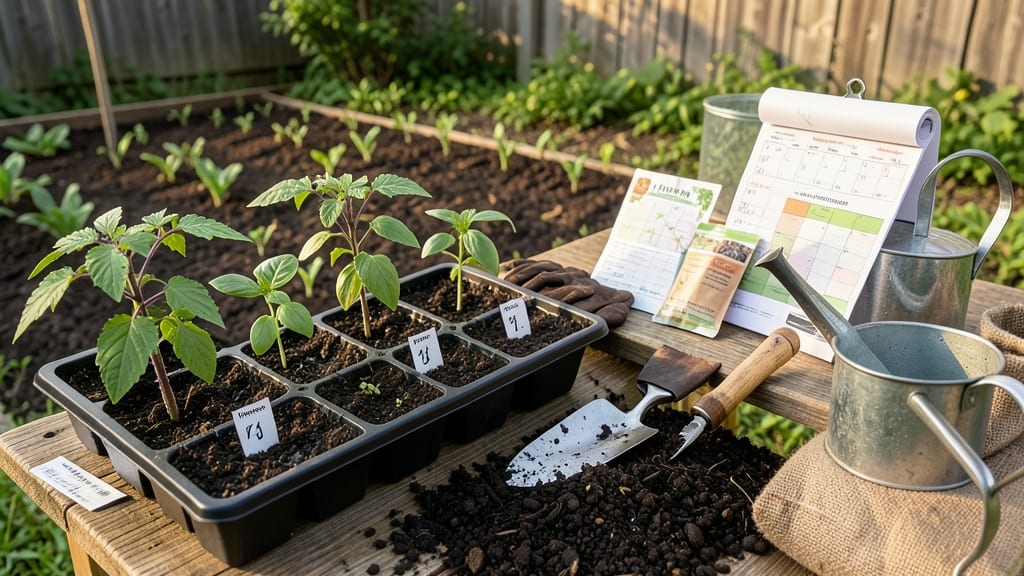
Planting your garden in Pennsylvania at the right time means the difference between a bountiful harvest and a season of disappointment.
Pennsylvania’s unpredictable spring weather can turn gardening dreams into guesswork—but knowing the exact planting deadlines for Zone 6A ensures your tomatoes, peppers, and herbs thrive instead of wilt.
Miss these windows, and you risk stunted growth or pests wiping out your harvest before you even get a chance to enjoy it.
In this guide, I’ll break down the ideal planting schedule for PA’s most popular crops, including soil prep tips and adjustments for early/late frosts, so you can grow with confidence.
PA zone 6A planting calendar: exact dates for vegetables, herbs & flowers
Pennsylvania's Zone 6A growing season spans just 180-200 frost-free days, making timing everything. Unlike warmer zones, we can't plant warm-season crops too early—soil temperatures below 50°F will stall germination.
My Pittsburgh garden (Zone 6A) typically sees its last spring frost around April 15, while Philadelphia averages April 20. These dates shift 5-7 days earlier in rural areas and 3-5 days later in urban heat islands.
For cool-season crops like spinach and peas, I start seeds indoors 6-8 weeks before last frost (early March) and transplant 2-3 weeks before to beat bolting.
Warm-season plants like tomatoes and peppers need soil temps above 60°F—I wait until May 10-15 in most of PA, or use black plastic mulch to warm soil earlier. Even then, I cover seedlings with floating row covers until nighttime temps stay above 50°F consistently.
🌱 Pro Tip: Use NOAA's 7-day soil temperature forecasts (available at NOAA Climate) to fine-tune planting. In 2023, my Philadelphia raised beds hit 60°F 7 days earlier than the 30-year average—letting me plant cucumbers by May 1 instead of waiting until May 8.
| Crop Type | Planting Window | Soil Temp Threshold | PA Zone 6A Deadlines | Microclimate Notes |
|---|---|---|---|---|
| Cool-Season Vegetables | Direct Sow: March 15-April 15 Transplant: April 1-May 1 |
40-50°F | Last frost: April 15 (Pittsburgh) April 20 (Philadelphia) |
Rural areas: 5-7 days earlier Urban: 3-5 days later |
| Warm-Season Vegetables | After last frost (May 10-15) | 60°F+ | Tomatoes/peppers: May 10 Cucumbers/squash: May 15 |
Use black plastic mulch to warm soil 1-2 weeks earlier |
| Herbs (Basil, Cilantro) | Basil: May 20-June 1 Cilantro: March 15-April 15 |
Basil: 70°F+ Cilantro: 40-50°F |
Basil bolts by July—succession plant | Shade cloth helps cilantro survive summer heat |
| Flowers (Marigolds, Zinnias) | Direct sow: April 20-May 30 | 50°F+ | Marigolds: April 20 Zinnias: May 10 |
Deadhead for continuous blooms until frost |
| Fall Planting (Kale, Carrots) | Transplant: July 15-August 15 | 50°F+ | First frost: October 15 (Pittsburgh) October 25 (Philadelphia) |
Use row covers to extend harvest |
My tomatoes and peppers always hit their stride when planted by May 10—any earlier risks blossom end rot from cool nights. For succession planting, I sow lettuce and radishes every 2 weeks from March until July, ensuring a steady harvest.
In Philadelphia's urban heat islands, I plant heat-tolerant
How to adjust planting times for PA’s unpredictable weather patterns
Pennsylvania’s Zone 6A climate throws curveballs with 10–14°F temperature swings—one day warm enough for tomatoes, the next a frost warning. The key to success? Flexible strategies that let you extend your growing season and adapt on the fly.
I’ve learned that rigid planting schedules fail here; instead, I use weather-based adjustments and protective tools to turn PA’s unpredictability into an advantage.
Start by monitoring NOAA’s 7-day soil temperature forecasts (available via their Mid-Atlantic region page). These readings are more reliable than air temps for determining when to plant heat-loving crops like peppers or cool-season greens.
For example, I wait until soil hits 55°F for tomatoes—even if air temps flirt with 60°F—because cold soil stunts root growth. This simple check saves me from wasted transplants every spring.
- 1
- 2
- 3
- 4
Don’t overlook fall planting strategies—they’re just as critical as spring. I use black plastic mulch to warm soil for late-season tomatoes and bell peppers, extending harvests until first frost (usually mid-October in Zone 6A).
Pair this with low tunnels for leafy greens, and you’ll eat fresh salads through November.
For herbs like basil, I start seeds indoors under grow lights when daytime highs hit 50°F. Transplant them outside only after 3 consecutive days above 60°F—this avoids shock and stunting.
I’ve also had success with container gardening on patios, where I can move pots to protected spots during sudden cold snaps.
Finally, local weather patterns matter more than USDA zone averages. In my Pittsburgh area garden, I’ve noticed late-May frosts every 3 years—so I delay planting tender annuals until June 1 as a safety measure. Check your nearest Penn State Extension office for hyper-local frost data and adjust accordingly.
With these strategies, I’ve turned PA’s unpredictable weather into a garden advantage. The secret? Staying flexible, monitoring soil temps, and using tools to extend seasons naturally. Your garden will thank you with bigger harvests and fewer disappointments. 🌱