
Planting
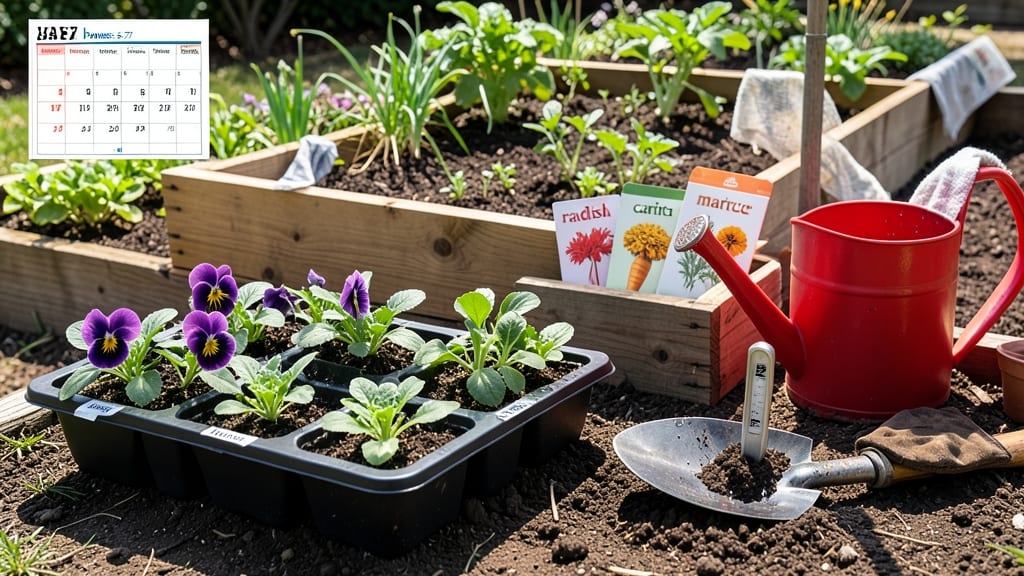
Planting a garden in Pennsylvania at the right time means the difference between a thriving harvest and a frost-killed disappointment.
Pennsylvania’s diverse climate zones mean your garden’s success hinges on planting at the perfect time—miss the window, and you risk frost damage or stunted growth. Whether you're in Pittsburgh or Philadelphia, knowing your last spring frost date is the key to timing everything from tomatoes to tulips.
Cool-season crops like lettuce and peas can handle a light frost, while warm-season plants like peppers need the soil to stay above 60°F for weeks.
I’ll break down the exact frost dates by USDA zone, so you can plant with confidence and avoid common mistakes like rushing seedlings into cold soil.
By the end, you’ll have a clear planting schedule tailored to your corner of Pennsylvania—plus tips to extend your season with row covers and cold frames. Let’s get those seeds in the ground at the perfect moment!
Pennsylvania frost dates by hardiness zone: your planting timeline
Pennsylvania spans USDA Hardiness Zones 3a to 7a, creating dramatic differences in frost timing from the Poconos Mountains (Zone 5a) to Philadelphia (Zone 7a). These dates determine whether your tomatoes thrive or spinach bolts—getting them wrong can mean the difference between a bountiful harvest and wasted effort.
Let's break down what you need to know for each zone.
Your planting strategy depends on two critical dates: the average last spring frost (when it's safe to plant warm-season crops) and the average first fall frost (when cool-season crops must be in the ground).
In Pennsylvania, these dates can vary by 3-4 weeks between northern and southern regions, so knowing your exact zone is essential.
For example, gardeners in Erie (Zone 6a) can plant peppers outdoors in mid-May, while those in State College (Zone 5b) should wait until early June.
Similarly, kale and carrots planted too late in Philadelphia (Zone 7a) might bolt before winter, but they'll have plenty of time in Scranton (Zone 6b).
| Zone | Last Spring Frost | First Fall Frost | Warm-Season Start | Cool-Season End |
|---|---|---|---|---|
| 3a (Poconos, NE PA) | May 15 | September 20 | June 1 | August 15 |
| 4a (State College, Altoona) | May 1 | October 5 | May 20 | September 1 |
| 5a (Pittsburgh, Harrisburg) | April 25 | October 15 | May 10 | September 15 |
| 5b (Lancaster, Reading) | April 15 | October 25 | May 1 | September 25 |
| 6a (Erie, Williamsport) | April 10 | November 1 | April 25 | October 10 |
| 6b (York, Lebanon) | April 5 | November 10 | April 20 | October 20 |
| 7a (Philadelphia, Allentown) | March 30 | November 20 | April 15 | October 30 |
Note: Dates are averages—always monitor local forecasts and use row covers for early/late plantings.
Use these dates to schedule your warm-season crops like tomatoes and peppers for planting after your last frost date. For cool-season crops such as spin
Best planting months for Pennsylvania’s top vegetables and flowers
Pennsylvania’s varied microclimates mean your tomatoes and herbs thrive in different months depending on your zone. Whether you're in Pittsburgh’s cooler hills or Philadelphia’s warmer valleys, timing is everything. Let’s break down the ideal planting windows for your top crops to beat PA’s unpredictable spring frosts and extend harvests.
For cool-season crops like lettuce and peas, aim for early spring or late summer. These plants love 50–60°F soil and can handle light frosts. Meanwhile, warm-season lovers like tomatoes and peppers need soil at 60°F+—wait until late May or early June in most zones.
- Tomatoes & Peppers: Plant after last frost (late May–early June in most zones). Use row covers if nights dip below 50°F to protect seedlings.
- Lettuce & Spinach: Sow 4–6 weeks before last frost (March–April) for spring harvests. For fall, plant late July–August to avoid bolting.
- Herbs (Basil, Cilantro): Direct-sow after soil warms (May–June). Basil hates cold—wait until night temps stay above 55°F.
- Perennials (Daylilies, Coneflowers): Plant spring or fall when soil is workable. Fall planting gives roots time to establish before winter.
- Extend Seasons: Use cold frames or row covers to plant lettuce or kale 2–3 weeks earlier in spring or 2–4 weeks later in fall.
Don’t forget herbs like basil—they’re finicky about cold. Start them indoors 4–6 weeks before last frost or wait until mid-June for direct sowing. For perennials, fall planting (September–October) often yields stronger roots by spring.
Pro tip: Check your local frost dates (Penn State Extension is a great resource) and adjust by 1–2 weeks if your yard runs cooler (e.g., near water or hills). A soil thermometer ($10 at garden centers) takes the guesswork out of timing.
With these zone-specific windows, you’ll avoid frost-nipped seedlings and bolting greens. Happy planting—your future harvest depends on it! 🌱