
Planting
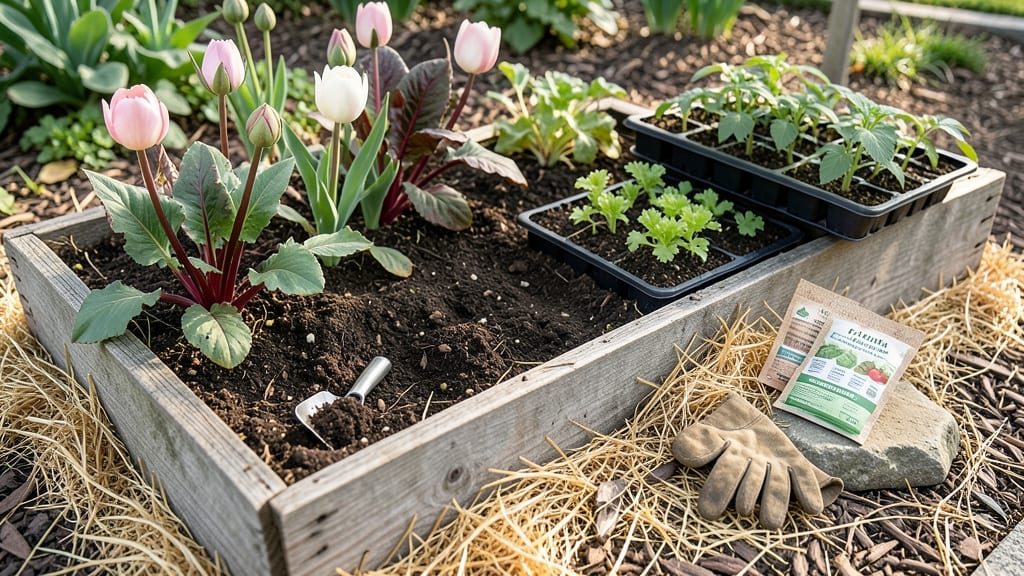
Planting your garden in Virginia depends on the right timing — and missing the window means slower growth or even lost crops.
Virginia’s diverse climate—from the mountains to the coast—means your planting schedule depends on frost zones, soil warmth, and plant hardiness. Get it wrong, and your garden could struggle; get it right, and you’ll enjoy a bountiful harvest all season long.
In this guide, I’ll break down the best months to plant based on Virginia’s frost zones (5a to 8a), so you can start cool-season crops like peas and spinach early and warm-season favorites like tomatoes and peppers at the perfect time.
You’ll also discover pro tips for extending your season with cold frames, row covers, and succession planting—because even in Virginia, every extra week counts!
Virginia planting calendar by frost zones (5a to 8a)
Virginia’s frost zones range from 5a in the mountains to 8a along the coast, creating unique planting windows for each region. The last frost date shifts dramatically—from late April in Zone 8a to early June in Zone 5a.
Understanding these differences ensures you plant at the right time for healthy growth and maximum yields.
Soil temperature also plays a critical role—most cool-season crops like lettuce and peas thrive in 45–55°F soil, while warm-season crops such as tomatoes and peppers need 60–70°F to germinate.
Below, we break down the best planting times for each zone, including adjustments for spring, summer, and fall cycles.
Use this month-by-month guide to align your planting with Virginia’s climate. Whether you’re in the Piedmont, Coastal Plain, or Blue Ridge Mountains, these timelines help you avoid frost damage and optimize harvests.
| Frost Zone | Last Frost Date | Spring Planting Window | Summer Planting Window | Fall Planting Window | Key Crops |
|---|---|---|---|---|---|
| 5a (Mountains) | May 15–June 1 | Mid-May to June 15 | July 1–August 15 | August 1–September 15 | Peas, Lettuce, Kale, Beans |
| 6a (Piedmont) | April 15–May 1 | Late April to May 30 | June 15–July 30 | July 15–September 1 | Spinach, Radishes, Tomatoes, Peppers |
| 7a (Northern Coastal) | March 15–April 1 | March 30 to May 15 | May 15–July 15 | June 15–October 1 | Carrots, Cucumbers, Basil, Zucchini |
| 8a (Southern Coastal) | February 15–March 1 | February 28 to April 30 | April 15–August 15 | May 15–November 1 | Okra, Sweet Potatoes, Eggplant, Melons |
In Zone 5a, where frost lingers late, focus on hardy cool-season crops like peas and spinach in early spring. Wait until after June 1 to plant warm-season crops such as tomatoes and peppers, as soil temperatures finally reach 60°F+.
In Zone 8a, you can start planting lettuce and radishes as early as February, while summer squash and okra thrive in the extended heat.
For summer planting, prioritize heat-tolerant varieties like sweet potatoes and black-eyed peas in Zones 7a and 8a. In cooler zones (5a–6a), opt for quick-maturing crops such as bush beans or cucumbers to harvest before the first frost.
Always check soil temperature with a probe—it’s the most reliable indicator of planting readiness.
Fall planting in Virginia offers a second chance for cool-season crops. In Zone 5a, sow kale and carrots by August 1 to harvest before frost. In Zone 8a, you can extend the season until November 1 with crops like broccoli and Brussels sprouts.
Use row covers to protect tender plants from unexpected early frosts.
Adjust your schedule for high-altitude areas (e.g., Blue Ridge Mountains) by planting 2–3 weeks later than coastal zones. Microclimates near bodies of water or urban heat islands may also shift planting times—observe your garden’s unique conditions over time.
For container gardening, start seeds indoors 4–6 weeks earlier to compensate for slower soil warming.
Always monitor local weather forecasts and use frost-free date calculators from the Virginia Cooperative Extension for precise adjustments. With this calendar, you’ll avoid common mistakes like planting tomatoes too early
Best plants to grow in Virginia by season (cool vs. warm season crops)
Virginia’s cool-season crops thrive in spring and fall when temperatures dip below 75°F, while warm-season crops need soil temperatures above 60°F to germinate. Knowing these differences helps you plan for a year-round harvest without wasting time or resources.
For example, spinach and peas love cool weather, while tomatoes and peppers bask in summer heat.
In Virginia, the transition between seasons is key. Cool-season crops like broccoli and kale can handle light frosts, while warm-season crops like cucumbers and squash need consistent warmth. Planting at the wrong time can lead to stunted growth or poor yields, so timing is everything.
Let’s break down the best options for each season and how to pair them for success.
Planting timing varies by Virginia’s frost zones (5a-8a), but generally, cool-season crops go in early spring (March-April) or late summer (August-September), while warm-season crops start in late April-May after the last frost. Companion planting also plays a role—pairing basil with tomatoes boosts flavor, while carrots and onions deter pests naturally.
For cool-season crops, focus on early spring planting (March-April) when soil temperatures hover around 40-50°F. Spinach and peas are hardy and can handle light frosts, making them ideal for Virginia’s unpredictable early springs. Use row covers if frost threatens, and always space plants