
Planting
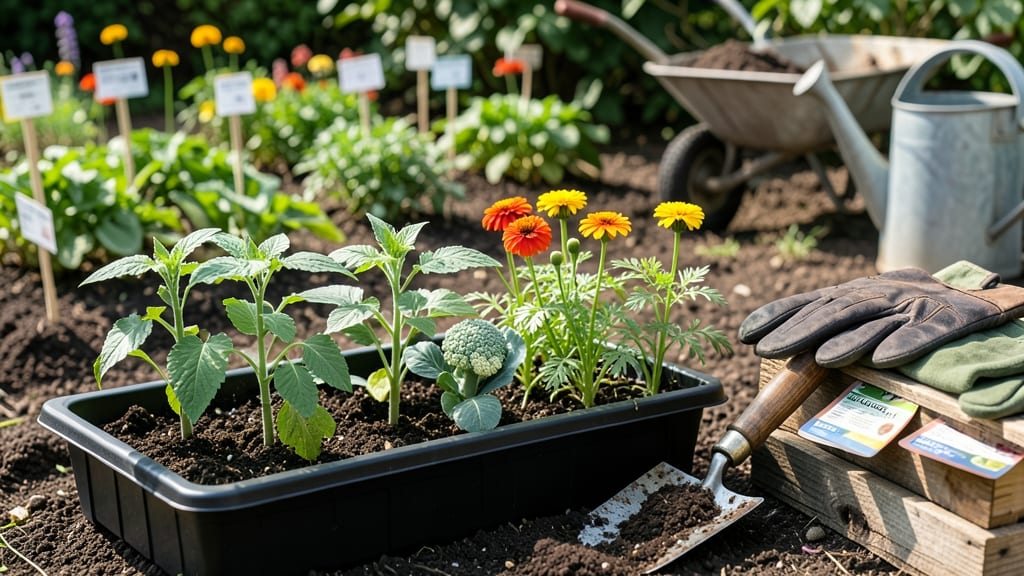
To plant a garden in Virginia at the right time means timing your sowing with the last frost dates that vary wildly from the Tidewater coast to the Appalachian foothills.
Miss that window, and you risk frost-nipped seedlings or summer crops bolting before they bear fruit. But with Virginia’s 6a-8a zones and microclimates, the perfect planting moment isn’t one-size-fits-all—it’s a regional puzzle.
From cool-season peas in February to heat-loving tomatoes after May 15, this guide breaks down the frost-free math by zone, plus how to stretch your season with row covers and succession planting.
You’ll learn the exact deadlines for Virginia’s top crops, from spinach in Zone 7a to okra in the Coastal Plain, so you can start sowing with confidence—and avoid the common mistakes that waste seed and time.
Virginia planting zones and frost-free dates by region
Virginia’s USDA planting zones 7a-8a create a unique gardening puzzle—each region from the Coastal Plain to the Blue Ridge Mountains has distinct frost patterns. Understanding these zones helps you avoid frost damage while maximizing your garden’s potential.
For example, Norfolk’s coastal zone 8a enjoys a longer growing season than Roanoke’s higher-elevation 7a, where frosts linger later.
The key to success is timing: planting cool-season crops like spinach or broccoli too early risks frost kill, while warm-season plants like tomatoes need soil temperatures above 60°F. Microclimates—like urban heat islands or sheltered valleys—can shift frost dates by 1-2 weeks, so always check local records.
I’ll break down Virginia’s regions, frost-free dates, and how to adjust for your specific microclimate.
🌱 Pro Tip: Use the Virginia Cooperative Extension’s frost date maps as your guide, then adjust based on your yard’s specific conditions. A south-facing slope, for instance, warms up faster than a north-facing area.
If you’re in the Coastal Plain (Zone 8a), you can start warm-season crops like peppers or eggplants as early as April 1, but wait until May 1 in the Piedmont (Zone 7b) to avoid late frosts.
In the Valley (Zone 7a), I’ve learned to plant tomatoes no earlier than May 15—any sooner risks frost nipping tender leaves. For mountain gardeners in Zone 6b, focus on fast-maturing varieties or use season extenders.
Microclimates can shift these dates dramatically. A south-facing wall might add 2-3 weeks to your growing season, while a low-lying area could trap cold air, delaying planting by the same margin.
I always scout my yard in late winter to identify these spots—shade patterns change with the sun’s angle, and a neighbor’s tall fence might create a microclimate all its own.
For spring planting, aim to have cool-season crops like lettuce and peas in the ground 4-6 weeks before your last frost date. In Zone 7b (Piedmont), that means mid-February for hardy greens.
Warm-season plants like squash or beans need to wait until soil temperatures hit 60°F, which typically happens by mid-May in most regions.
Fall planting follows a similar logic: cool-season crops like kale or radishes can handle light frosts, so I plant them 6-8 weeks before the first frost. In Norfolk (Zone 8a), that’s as late as October 1, while Roanoke (Zone 7a) gardeners should finish by September 15.
Always check the Virginia Master Gardener reports for your county—they track local frost patterns year to year.
One of my biggest lessons? Don’t rely solely on zone averages. Last year, my Zone 7b garden in Charlottesville lost a batch of basil to an unexpected April frost—even though the average last frost date was March 15. I now use frost alarms and monitor the National
Best planting times for Virginia’s top vegetables and flowers
Timing is everything in Virginia’s garden—where last frost dates shift from March 10 in Norfolk to March 22 in Roanoke. Warm-season crops like tomatoes and peppers need soil at 60°F+, while cool-season spinach and broccoli thrive when planted 4-6 weeks before frost.
Flowers like marigolds and zinnias bridge both seasons, offering color from spring to fall.
My garden in Zone 7a (Piedmont region) follows a spring-fall rhythm: start cool crops in February-March, transition to warm crops after April 15, and replant cool crops in late August for a fall harvest.
Adjust these dates 1-2 weeks earlier for coastal areas (Zone 8a) or 1 week later in mountain regions (Zone 6b).
- February-March: Plant cool-season crops—spinach, kale, broccoli, carrots. Start peas and onions indoors.
- April 15-May 1: Wait until soil warms to 60°F for tomatoes, peppers, and cucumbers. Transplant marigolds and zinnias.
- May-June: Sow beans, squash, and corn. Succession plant lettuce every 2 weeks for continuous harvest.
- July-August: Direct-sow cool-season crops for fall—radishes (fastest), kale, and turnips. Transplant pansies for late blooms.
- September-October: Plant garlic and onion sets for spring harvest. Extend tomatoes and peppers with row covers.
For warm-season vegetables, I always check soil temperature with a thermometer—tomatoes and peppers won’t thrive until 60°F, and cucumbers need 70°F+. In Zone 7a, this typically aligns with mid-April, but coastal areas like Norfolk can plant 2 weeks earlier.
Use black plastic mulch to warm soil faster if needed.
Cool-season crops like spinach and broccoli handle light frosts, but avoid planting after July 1 in most of Virginia—they’ll bolt (go to seed) in the heat. My fall garden starts in late August with radishes (ready in 30 days) followed by kale and carrots. For flowers, marigolds are my go-to—they deter pests and bloom from spring to frost.
Don’t overlook succession planting! In my 4’x8’ raised bed, I stagger lettuce every 2 weeks from April to September to ensure a steady supply. For flowers, zinnias self-seed prolifically—let a few bolt in fall to pop up next spring.
In Zone 8a (e.g., Virginia Beach), you can even grow winter greens like collards year-round with minimal frost protection.
Pro tip: Use Virginia Cooperative Extension’s frost date maps to fine-tune your schedule. For example, Roanoke’s last frost is March 22, so I plant cool crops by February 15, while Norfolk’s March 10 date lets me start 2 weeks earlier.
Adjust based on microclimates—south-facing beds warm faster, while shady spots stay cooler longer.