Plants
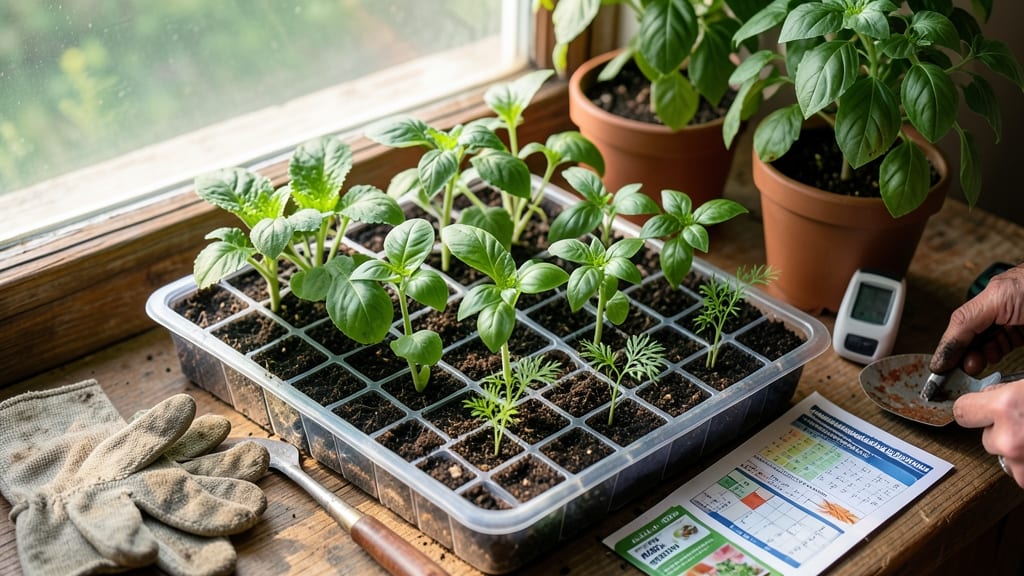
Planting your garden plants at the right time means the difference between a bountiful harvest and a season of disappointment.
Timing your garden planting can mean the difference between a thriving harvest and a wasted season—knowing your first frost date is the secret weapon every gardener needs.
In USDA Zone 6a, like many regions, the window between last frost (April 15) and first frost (October 15) is your golden opportunity to grow everything from crisp lettuce to towering sunflowers. But even in the same zone, microclimates and crop types demand precision.
Here, I’ll break down the exact month-by-month planting schedule for your garden, how to adjust for late frosts or early heat, and the one tool that saves beginners from costly mistakes every year.
How to determine your planting zones and first frost dates
Timing your garden planting can mean the difference between a thriving harvest and a wasted season—knowing your first frost date is the secret weapon every gardener needs. Without this knowledge, you might plant tomatoes too early or spinach too late, risking frost damage or stunted growth.
The key starts with understanding your USDA Plant Hardiness Zone and calculating your average first frost date for accurate planting schedules.
Your USDA zone tells you which plants can survive winter in your area, while your first frost date determines when to plant cool-season crops and when to harvest warm-season plants before cold sets in.
Together, these two pieces of information create the foundation for a successful garden. Let’s break down how to find yours and use this data to plan your planting schedule like a pro.
First, locate your USDA zone using the USDA Plant Hardiness Zone Map. Simply enter your ZIP code on the official website, and you’ll get your specific zone (e.g., Zone 5a or Zone 8b). This zone indicates the coldest temperatures your area typically experiences, helping you choose plants that will thrive year-round. For example, Zone 6 gardeners can grow roses and peaches, while Zone 9 gardeners might focus on citrus trees and bougainvillea.
Next, use a First Frost Calculator to determine your average first frost date. Tools like the Old Farmer’s Almanac or Almanac.com’s Frost Calculator let you input your ZIP code to get precise dates for your last spring frost and first fall frost.
For instance, if you’re in Zone 7, your first frost might average November 15, while in Zone 4, it could be as early as October 1. These dates are critical for scheduling cool-season crops like kale or broccoli.
Once you have your zone and frost dates, calculate your frost-free growing season. Subtract your last spring frost from your first fall frost to find the number of days you have to grow plants.
For example, if your last frost is April 15 and your first frost is October 15, you have about 180 frost-free days. This number helps you choose plants with the right mature growth time, like bush beans (60 days) or zucchini (50 days).
Now, let’s use this information to plan your planting schedule. Most warm-season crops (e.g., tomatoes, peppers) need to be planted 2-4 weeks after your last frost date, while cool-season crops (e.g., lettuce, carrots) can go in 4-6 weeks before your first frost. For example, if your last frost is April 15, plant tomatoes around May 1, and if your first frost is October 15, sow spinach by September 1.
Here’s a quick reference for planting windows based on your frost dates:
| Plant Type | USDA Zone Example | Last Frost Date | First Frost Date | Planting Window | Notes | |||||||||||||||||||||
|---|---|---|---|---|---|---|---|---|---|---|---|---|---|---|---|---|---|---|---|---|---|---|---|---|---|---|
| Warm-Season Crops | Zone 5a | May 1 | October 15 | After May 15 | Tomatoes, Peppers, Cucumbers | |||||||||||||||||||||
| Cool-Season Crops | Zone 7a | March 15 | November 1 | Before Sept 1 | Lettuce, Spinach, Carrots | |||||||||||||||||||||
| Perennials | Zone 6b | April 1 | October 30 | Spring or Fall | Roses, Lavender, Hostas | |||||||||||||||||||||
| Herbs | Zone 8a |
Best planting times for vegetables, flowers, and herbs by seasonUnderstanding your seasonal planting windows is the key to a productive garden. Warm-season crops like tomatoes and peppers thrive when soil temperatures reach 60°F or higher, while cool-season crops such as lettuce and spinach prefer soil temps below 70°F. Perennials, on the other hand, often have fall or spring planting preferences depending on your climate zone. In most regions, spring planting begins after the last frost date, typically between March and May, while fall planting occurs 6-8 weeks before the first frost. Adjusting for early vs. late starts can extend your harvest—just be mindful of maturity timelines to avoid frost damage.
For warm-season crops, I recommend starting seeds indoors 4-6 weeks before the last frost date. This gives seedlings a head start and ensures they’re ready to transplant once temperatures rise. Cool-season crops, however, can often handle cooler soil, so direct sowing in early spring or late summer works well. Perennials are a bit different—they benefit from fall planting in zones with cold winters, as it allows roots to establish before dormancy. In milder climates, spring planting is ideal. Always check your USDA zone for precise timing, as frost dates vary significantly by region. Pro tip: Use row covers or cold frames to extend your planting season. These tools can push back the last frost date by 2-4 weeks, giving you more time to grow warm-season crops. Just remember to remove covers when plants flower to allow pollination. If you’re unsure about your local frost dates, check the USDA Plant Hardiness Zone Map and use a first frost calculator for your area. Adjusting for microclimates—like urban heat islands or sheltered garden spots—can also make a big difference in your planting success. |