Plants
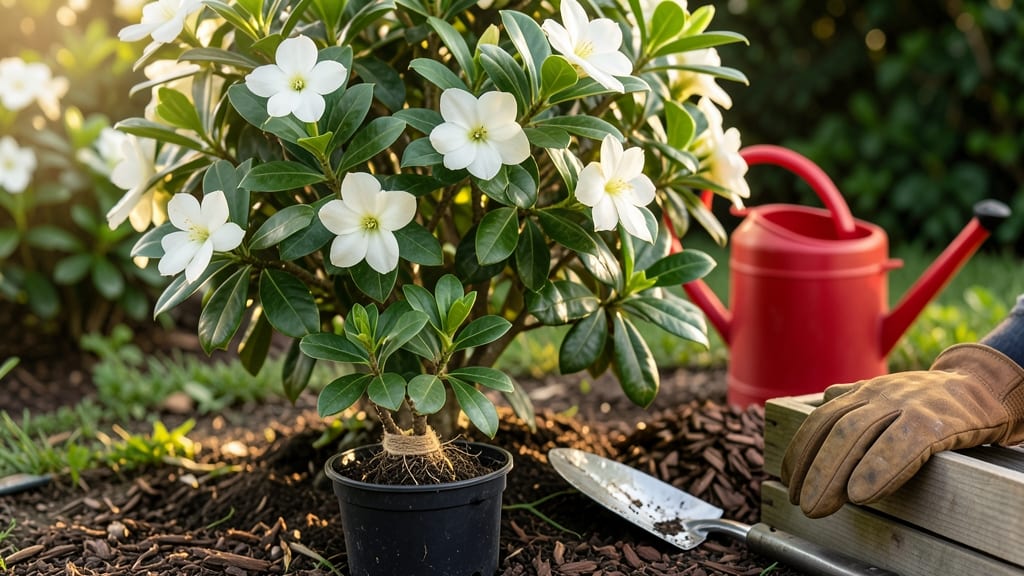
Plant gardenias in North Carolina between mid-April and early May to avoid frost damage and give roots time to establish before summer heat arrives.
You’ve got your heart set on those intoxicating 🌸 blooms, but planting too early risks frost nipping tender new growth, while waiting too late can mean stunted shrubs and fewer flowers.
The key isn’t just dodging cold snaps—it’s about syncing your gardenia with North Carolina’s 200-240 frost-free days, soil warmth, and regional microclimates that can shift timing by weeks.
Inland areas like Raleigh or Asheville need that late-April window, while coastal spots like Wilmington can start as early as February. The difference? Soil temperatures must hit 60°F—any cooler, and roots struggle to take hold.
Here’s what you’ll learn: the exact frost-date math for your zone, how to prep soil for acid-loving gardenias, and whether container planting buys you flexibility when timing feels risky. Let’s get those fragrant shrubs off to the best start.
North Carolina’s ideal gardenia planting window: months to avoid frost & heat stress
North Carolina’s USDA hardiness zones 7b–8a create a unique challenge for gardenia lovers. These tropical beauties thrive in warmth but can’t handle frost or extreme heat stress—so timing your planting is everything.
The ideal window balances soil warmth and frost-free conditions, typically between mid-April and early May, but coastal vs. Piedmont regions have different rules.
Gardenias need soil temperatures above 60°F to establish roots before summer’s heat arrives. Planting too early risks late-spring frosts (common until mid-April in inland areas), while waiting too late can lead to heat stress and poor blooming.
Microclimates matter—coastal areas like Wilmington may be safe by early April, while the Piedmont’s Raleigh might need to wait until late April.
North Carolina’s risky planting periods are March (too early) and June+ (too late). March soil is often too cold (below 60°F), and June’s heat can shock young roots. Even experienced gardeners sometimes misjudge—so let’s break down the exact timing for your region.
| Region | Ideal Planting Window | Soil Temp Threshold | Last Frost Date | Key Risk |
|---|---|---|---|---|
| Coastal (Wilmington, Outer Banks) | Early April (after March 20) | 60°F+ | March 10 | Salt spray damage |
| Piedmont (Raleigh, Greensboro) | Late April (after April 15) | 60°F+ | April 1 | Late frosts |
| Mountains (Asheville, Boone) | Early May (after May 1) | 65°F+ | April 15 | Cool soil delays growth |
| All Regions (Container Gardening) | May (flexible timing) | 60°F+ | N/A (protected) | Root-bound risk |
For coastal North Carolina, gardenias can often go in by early April—but check for salt spray risks near the ocean. The Outer Banks’ milder climate means fewer frost concerns, but soil prep is critical: amend with peat moss to lower pH (gardenias love acidic soil, 5.0–6.0).
Inland areas like the Piedmont should wait until late April to avoid late-spring frosts, which can blacken leaves overnight.
If you’re in the mountains (USDA Zone 7a), push planting to early May. Cooler nights and slower soil warming mean gardenias struggle to establish roots before summer’s heat. A trick here? Use black plastic mulch to warm soil faster—this can shave 1–2 weeks off your planting window.
North Carolina’s unpredictable spring weather demands preparation. Always have frost cloths ready for late surprises, and monitor local frost forecasts via the NC State Climate Office. Pro tip: Plant afternoon-blooming varieties (like ‘Kleim’s Hardy’) if you’re cutting it close—they’re slightly more frost-tolerant.
Container gardening offers flexibility for late planners. Potted gardenias can go in throughout May (or even early June in shaded spots), but choose large containers (15+ gallons) to prevent root stress. Just remember: heat stress in summer can still stunt blooms, so mulch heavily and water deeply at the base.
Timing isn’t just about survival—it’s about peak blooms. Gardenias planted in April–May typically flower by early summer, while those delayed until June may bloom 1–2 months later (or not at all).
The key? Soil warmth + frost-free security—master this combo, and you’ll have perfumed blooms from June to September.
🌸
Gardenias in NC: how to time planting for maximum blooms (not just survival)
Timing your gardenia planting in North Carolina isn’t just about avoiding late-spring frosts—it’s about setting the stage for a longer bloom season.
Coastal areas like Wilmington can safely plant as early as early April, while inland regions like Raleigh should wait until late April to ensure roots establish before summer heat arrives. This timing difference can shift bloom windows by 3-4 weeks, meaning earlier planting often means earlier flowers.
Once planted, gardenias need a pruning schedule to encourage bushier growth and more blooms. I recommend a light pruning in late spring (May) to remove dead wood, followed by a harder prune in late winter (February) to shape the plant.
This two-step approach keeps your gardenias healthy and flowering prolifically. Pair this with the right fertilizer triggers, and you’ll see buds forming by early summer.
- 📅 Coastal NC (Zones 8a-8b): Plant early April for blooms by June-July. Soil temps should hit 60°F+.
- 📅 Inland NC (Zones 7b-8a): Wait until late April to avoid late frosts (avg. last frost: April 15).
- ✂️ Prune after blooming: Cut back 1/3 of growth in late winter to encourage spring blooms.
- 🌿 Fertilizer schedule: Feed March-May with acid fertilizer (e.g., azalea mix) for bud formation.
- 🌡️ Protect from late frosts: Cover young plants with frost cloth if temps drop below 32°F after planting.
North Carolina’s average last-frost dates vary dramatically by region, which is why I always check the NC State Climate Office for local data. For example, Asheville (Zone 7b) typically sees its last frost around April 15, while New Bern (Zone 8a) can plant safely by March 20.
If you’re in a microclimate (like a valley or near water), err on the side of caution and delay planting by 1-2 weeks.
To maximize blooms, I’ve found that a light feeding in early June (after the first flush of flowers) can trigger a second bloom cycle in late summer. Use a balanced, acid-loving fertilizer like 10-10-10 or a camellia mix, but avoid heavy nitrogen after June—it promotes foliage over flowers.
Pair this with consistent morning watering (1-2 gallons per plant, twice weekly), and your gardenias will thrive.
If you’re worried about late-spring frosts, I recommend planting in containers for the first year. This gives you the flexibility to move plants indoors or under cover if a frost warning arises.
Just ensure your pots have drainage holes and use a lightweight, acidic potting mix to mimic gardenia’s natural soil preferences.
With the right timing and care, your gardenias will reward you with fragrant blooms from June through September—making every minute of planning worth it. The key is patience: let the roots establish, then feed and prune strategically to unlock that perfumed paradise you’re dreaming of. 🌸