
Planting
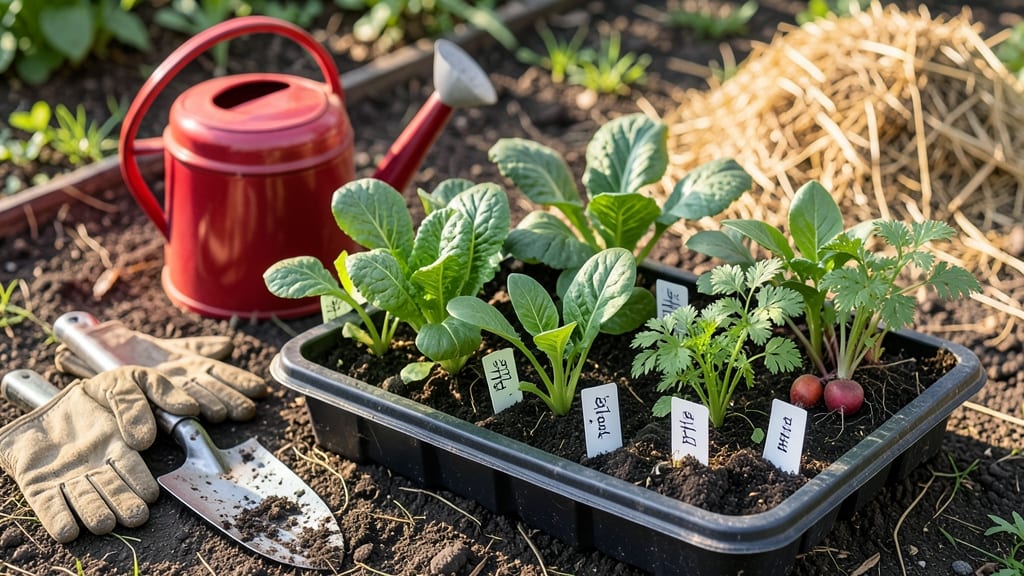
Planting a vegetable garden in Seattle means timing your seeds and starts for the right window—too early and frost wipes out your work, too late and summer’s heat arrives before your harvest.
Seattle’s unpredictable weather can turn your vegetable garden dreams into a guessing game—but knowing the exact planting windows for cold-hardy crops means the difference between a thriving harvest and a frost-killed disaster.
Most Seattle gardeners (USDA Zone 8a/8b) should start cool-season vegetables like peas, spinach, and broccoli as early as mid-March, while warm-season crops like tomatoes and peppers wait until late May after the last frost risk has passed.
In this guide, I’ll break down the best planting dates for your favorite vegetables, how to adjust for Seattle’s microclimates, and pro tips to extend your growing season—so you can enjoy fresh produce from spring through fall.
Seattle’s frost dates & best planting windows by season
Seattle’s Zone 8a/8b climate means last frost dates typically range from mid-April to early May—but these can shift 1-2 weeks due to Puget Sound’s moderating influence. Inland areas like Redmond or Kenmore often experience earlier frosts than coastal neighborhoods like Ballard or West Seattle.
For warm-season crops, the first frost usually arrives between mid-October and early November, giving you a 180-210 day growing season.
To maximize your harvest, I’ve broken down planting windows by crop type—cool-season vegetables thrive in early spring and fall, while warm-season crops need soil temperatures above 60°F and frost-free conditions. Let’s dive into the exact dates and microclimate adjustments you need to know.
🌱
| Crop Type | Direct Sow Start (Puget Sound) | Transplant Start (Inland) | Last Safe Date (Warm-Season) | Notes |
|---|---|---|---|---|
| Cool-Season (Leafy Greens) | Mid-March to early April | Late March to mid-April | N/A | Use row covers for frost protection |
| Cool-Season (Root Crops) | Late March to early May | Early April to mid-May | N/A | Carrots/beets need loose soil |
| Warm-Season (Tomatoes/Peppers) | Mid-May (after last frost) | Early June (soil >60°F) | July 15 (Puget Sound) | Start indoors in March for transplants |
| Warm-Season (Cucumbers/Squash) | Late May (soil >55°F) | Early June | August 1 (Puget Sound) | Use black plastic mulch to warm soil |
| Fall Planting (Kale/Broccoli) | Late July to early August | Mid-August | N/A | Sweeter after light frost |
For cool-season crops like lettuce, spinach, and peas, I recommend starting seeds indoors in February or direct-sow outdoors in March. These frost-tolerant plants can handle temperatures down to 20°F, so don’t wait for perfect weather.
In fact, a light frost often improves their flavor—just cover them with frost cloth if temperatures drop below 25°F.
Warm-season crops like tomatoes, peppers, and eggplants need soil temperatures above 60°F to germinate properly. In Seattle, this typically means waiting until mid-to-late May for coastal areas and early June for inland locations.
To give these heat-lovers a head start, I always sow seeds indoors in March and transplant hardened-off seedlings after the last frost. For extra insurance, use row covers or cold frames to extend the season by 2-3 weeks.
🌿
Seattle’s microclimates play a huge role in planting success. Coastal areas near the Puget Sound stay warmer longer, while inland spots like Bellevue or Kirkland can experience earlier frosts. To account for this, I adjust my planting dates by 1-2 weeks depending on location.
For example, if you’re in Ballard or West Seattle, you might safely plant warm-season crops 10 days earlier than someone in Redmond or Sammamish.
Another pro tip: Use a soil thermometer to confirm temperatures before planting warm-season crops. The ideal range is 60-70°F for most vegetables. If your soil is still cold, try black plastic mulch or straw bales to warm it up faster
Cold-hardy vegetables that thrive in Seattle’s early spring
Seattle’s early spring weather—cool, damp, and sometimes frost-laden—can feel like a gardener’s worst nightmare. But with the right cold-hardy vegetables, you can beat the odds and enjoy fresh harvests as early as March!
These resilient crops not only survive light frosts (down to 20°F for some), but they actually thrive in Seattle’s Zone 8a/8b climate when planted at the perfect time.
Timing is everything in Seattle’s garden. Plant too early, and you risk soil compaction from rain; too late, and you miss the optimal growing window before summer heat arrives.
The key is starting seeds indoors or sowing directly when soil temperatures hit 40°F or warmer—usually by late February for hardy greens and early March for brassicas.
- 1. Kale – Plant February-March; tolerates 25°F. Harvest young leaves for tender flavor.
- 2. Peas – Sow March-April; needs 40°F soil. Trellis for space-saving.
- 3. Spinach – Direct sow March-April; bolts in heat. Use row covers for extra protection.
- 4. Broccoli – Start indoors February or sow March; prefers 50°F soil.
- 5. Lettuce – Plant February-April; succession sow every 2 weeks for continuous harvests.
- 6. Carrots – Sow March-April; thin seedlings to 2 inches apart for sweet roots.
- 7. Radishes – Fast-growing! Plant February-March; ready in 30 days.
- 8. Swiss Chard – Sow March-April; cut-and-come-again harvests all season.
- 9. Beets – Direct sow March-April; harvest greens or roots when small.
- 10. Arugula – Plant February-March; peppery flavor loves cool weather.
For maximum protection, invest in lightweight floating row covers or DIY cold frames made from plastic bins and PVC pipes. These simple tools can shield tender seedlings from late frosts (which Seattle is notorious for) while still allowing sunlight and airflow.
I’ve used row covers to grow spinach in April when temperatures dipped to 32°F—and it survived!
Soil temperature is your best indicator for planting. Use a soil thermometer to check depths of 2-4 inches. Most cold-hardy veggies need 40-50°F soil to germinate, but peas and spinach can handle cooler 35°F soils.
If your soil is still too cold, start seeds indoors under grow lights and transplant once temperatures rise.
Don’t forget to harden off seedlings before transplanting! Gradually expose them to outdoor conditions over 5-7 days to prevent shock. I’ve lost more seedlings than I’d like to admit by skipping this step—especially with broccoli and kale, which are sensitive to sudden temperature changes.
With these frost-resistant stars, you’ll have a head start on the season—and maybe even two harvests before summer heat sets in. Just remember: patience and protection are your best tools in Seattle’s unpredictable spring! 🌿