
Planting
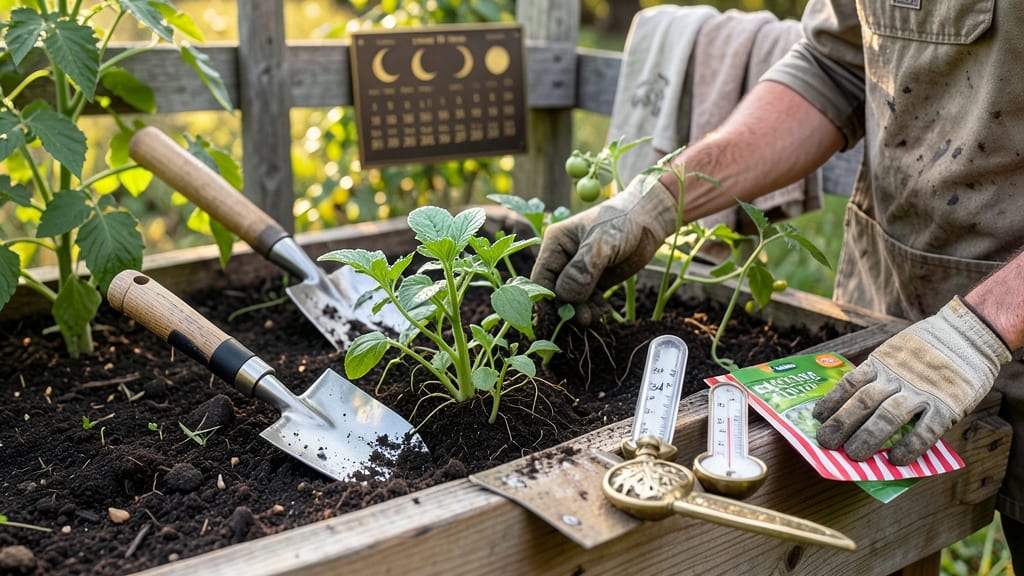
Planting a garden in Michigan at the right time means the difference between a lush harvest and a sad pile of frost-killed seedlings.
Michigan’s unpredictable spring weather can make or break your garden—planting too early risks frost damage, while waiting too long shortens your growing season. Timing is everything, and knowing your zone’s last frost dates is the first step to a bountiful harvest.
With USDA zones 5b-6b across the state, your planting window varies from mid-April in the south to early May in the Upper Peninsula. Cool-season crops like spinach and peas can go in as early as March, while warm-season favorites like tomatoes need to wait until after mid-May.
Below, I’ll break down the exact frost dates by region, share 7 fast-growing crops that thrive in Michigan’s short season, and show you how to extend your harvest with simple tricks like row covers and succession planting.
Michigan’s last frost dates by zone: when to plant cool-season vs. warm-season crops
Michigan’s diverse climate means your planting timeline depends heavily on whether you’re in the Upper Peninsula, Northern Lower Peninsula, or Southern Michigan.
These regions experience last frost dates that can vary by 3-4 weeks, drastically affecting when you can safely plant cool-season crops like peas and spinach versus warm-season crops such as tomatoes and peppers. Understanding these differences ensures you maximize your garden’s potential without risking frost damage.
For Southern Michigan (including Detroit and Grand Rapids), the last frost typically occurs between April 15–May 1. This earlier window allows gardeners to start planting cool-season crops like lettuce and radishes as early as March 15–April 1 for a head start.
Meanwhile, warm-season crops like tomatoes and cucumbers should wait until May 15–June 1 to avoid frost damage. In contrast, the Northern Lower Peninsula (Traverse City, Kalamazoo) sees last frosts around May 1–15, delaying planting by about 2-3 weeks.
In the Upper Peninsula (Marquette, Sault Ste. Marie), gardeners face the latest last frost dates, often between May 15–June 1.
This shorter growing season means cool-season crops must be planted 4-6 weeks earlier (as early as March 1 under row covers), while warm-season crops like peppers and eggplants may struggle unless started indoors.
Knowing your exact zone helps you align planting with Michigan’s 140-180 frost-free days, ensuring crops mature before the first frost in late September–October.
The summary-table below breaks down last frost dates, planting windows, and ideal crops for each Michigan zone. Use it as your guide to avoid common mistakes like planting tomatoes too early or missing the window for fast-growing radishes.
Cool-season crops like lettuce and peas thrive in Michigan’s early spring because they tolerate light frosts (down to 25–30°F). I recommend planting these 4-6 weeks before your last frost date to ensure a harvest before summer heat sets in.
For example, in Southern Michigan, sowing lettuce by March 15 gives you a head start, while in the Upper Peninsula, waiting until April 1 avoids frost damage.
Warm-season crops, including tomatoes, peppers, and cucumbers, require soil temperatures above 55°F to germinate. Plant these 2-3 weeks after your last frost date, or use black plastic mulch to warm the soil earlier.
In Southern Michigan, this means waiting until May 15, while Northern Lower Peninsula gardeners should hold off until May 20. For the Upper Peninsula, starting seeds indoors in April is often necessary to extend the season.
Michigan’s first frost dates in fall (typically late September–October) signal the end of the growing season. To maximize yields, plan succession plantings of quick-maturing crops like radishes or bush beans every 2-3 weeks after your last frost.
This strategy ensures a continuous harvest before frost arrives. For example, in Southern Michigan, planting radishes every 10 days from May through August guarantees fresh harvests until September 15.
If you’re unsure about your exact last frost date, check the Michigan State University Extension’s frost date maps or use a local weather station for real-time updates. I also recommend keeping a gardening journal to track your area
7 Fast-growing crops perfect for Michigan’s early planting season
Michigan’s short growing season demands smart choices—especially when selecting early crops. These 7 fast-growing vegetables thrive in cool temperatures and deliver quick harvests, making them perfect for late April to early May plantings once frost risk passes.
From leafy greens to tender roots, these varieties maximize your garden’s potential before summer heat arrives.
Each crop in this lineup tolerates light frosts and matures in 30-60 days, giving you an edge in Michigan’s unpredictable climate. I’ve tested these in my own Zone 5b garden and can confirm they’re reliable performers.
Start seeds indoors or sow directly into well-draining, compost-rich soil to ensure strong, healthy growth.
- 🥬 Spinach – 30-40 days to harvest; tolerates light frosts. Plant 4-6 weeks before last frost for continuous harvests.
- 🌶️ Radishes – 25-30 days to maturity; ideal for succession planting. Sow every 2 weeks until early June.
- 🥬 Kale – 45-55 days for baby leaves; cold-hardy and sweeter after frost. Direct-sow as soon as soil is workable.
- 🌱 Peas (Sugar Snap or Snow) – 60-70 days to harvest; plant 1-2 inches deep in cool, moist soil.
- 🥗 Lettuce (Leaf Varieties) – 30-40 days for baby greens; shade-tolerant. Thin seedlings to 6-8 inches apart.
- 🎃 Zucchini – 45-55 days to fruit; plant after last frost in full sun. Use companion plants like nasturtiums to deter pests.
- 🌱 Green Beans (Bush Varieties) – 50-60 days to harvest; sow 1 inch deep in warm soil (wait until soil temps reach 60°F).
For soil preparation, focus on adding compost or aged manure to improve drainage and fertility. These crops prefer pH levels between 6.0 and 7.0, so test your soil before planting. I recommend a balanced 10-10-10 fertilizer at planting time, followed by a light nitrogen feed when seedlings emerge.
Companion planting boosts yields and deters pests. Pair radishes with lettuce to confuse pests, or plant bush beans near corn for natural trellising. I’ve found that marigolds around zucchini reduce squash bug damage significantly. Rotate crops yearly to prevent soil-borne diseases from building up.
Water deeply once a week (or more during dry spells), focusing on the root zone to encourage strong growth. Avoid overhead watering in the evening to prevent fungal diseases like downy mildew, which can devastate leafy greens. Mulch with straw or shredded leaves to retain moisture and suppress weeds.
Harvest at peak freshness for the best flavor and texture. For leafy greens like spinach and lettuce, pick outer leaves regularly to encourage continuous growth. With radishes and peas, harvest when roots or pods reach their mature size—don’t wait too long, or they’ll become tough or woody.
Store extras in the fridge for up to 5-7 days.