
Planting
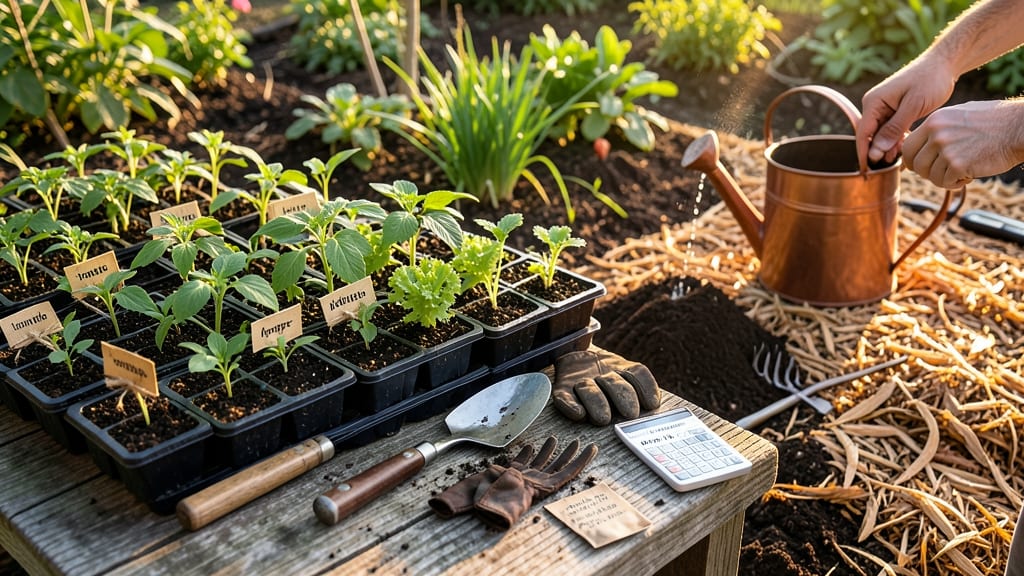
Plant your garden in Ohio after the last frost date, which typically lands between April 15 and early May in most of the state 🌱 — but timing can make or break your harvest.
Ohio’s unpredictable spring weather can turn your gardening dreams into a guessing game—unless you know the exact last frost dates for your county and which crops thrive in its short growing season.
Cool-season crops like peas and spinach can handle a light frost, while tomatoes and peppers need warm soil to even think about germinating. Get the timing wrong, and you’ll either waste seeds on a late freeze or rush plants that bolt before they mature.
Below, I’ll break down Ohio’s frost zones, the best planting windows for every crop, and how to stretch your season with simple tricks—so you can enjoy a bountiful harvest from June through October.
Ohio’s last frost dates by county: when to plant cool-season vs. warm-season crops
Ohio’s last frost dates vary dramatically across its USDA zones 5b-6a, making it critical to know your exact county’s timeline. Northern counties like Ashtabula often see frost as late as May 15, while southern areas like Lawrence County may warm up by April 15.
These differences mean the gap between planting cool-season crops (like peas or spinach) and warm-season crops (like tomatoes or peppers) can be just 2-4 weeks—a tight window for Ohio gardeners.
To avoid frost damage or wasted effort, I always check my local National Weather Service alerts or use the Old Farmer’s Almanac for historical data. For example, Columbus (Franklin County) averages its last frost around April 25, but a late freeze in 2020 pushed it to May 10.
Planning for these 10-year averages helps me time my seed starting indoors perfectly for transplanting after the last frost.
Here’s the key rule: Cool-season crops (e.g., lettuce, kale, radishes) should go in 4-6 weeks before your last frost date, while warm-season crops (e.g., tomatoes, peppers, cucumbers) need to wait until 2 weeks after the frost risk has passed.
This timing ensures seedlings aren’t shocked by unexpected cold snaps.
🌱
For example, in Franklin County, I plant spinach and peas by March 10 for an early harvest, while tomatoes and peppers go in after May 10. In Lawrence County, I can start warm-season crops as early as April 30—a full month sooner than in northern Ohio.
This regional flexibility lets me extend my growing season and grow a wider variety of plants.
Pro tip: Use row covers or cold frames to push your cool-season crops even earlier. I’ve successfully planted lettuce in late February under row covers in Hamilton County, giving me a harvest before most neighbors even start their gardens.
Just remember to remove covers when temps rise above 75°F to avoid overheating.
If you’re unsure about your county’s exact frost dates, I recommend checking the Midwestern Regional Climate Center or your local Ohio State University Extension
Top 10 warmth-loving crops that thrive in Ohio’s short growing season
Ohio’s hot summers and humid conditions create the perfect environment for certain heat-loving crops. While the growing season is short, these high-yield vegetables can thrive with the right timing and care.
I’ve selected the top 10 warmth-loving crops that not only tolerate Ohio’s heat but also reward gardeners with bountiful harvests.
Many gardeners struggle with Ohio’s unpredictable frost dates and short frost-free period. The key is choosing crops that mature quickly and can handle the late-spring heat and summer humidity.
These plants are perfect for maximizing your garden’s potential, even in a state with only about 160-180 frost-free days.
Plant after last frost (mid-May), needs 60-90 days to mature. Choose early-maturing varieties like 'Silver Queen' or 'Peaches and Cream'.
Start indoors in March, transplant after last frost. Varieties like 'California Wonder' thrive in Ohio’s heat and mature in 60-70 days.
Direct sow after last frost (late May). Choose bush varieties like 'Bush Champion' for easier harvests. Provide trellises to save space.
Start seeds indoors in February-March, transplant after last frost. Choose determinate varieties like 'Early Girl' for compact growth.
Direct sow after soil reaches 70°F (late May). Thrives in Ohio’s heat and matures in 50-60 days. Varieties like 'Clemson Spineless' are heat-tolerant.
For maximum yields, I recommend planting these crops in succession every 2-3 weeks. This ensures a continuous harvest and reduces the risk of losing your entire crop to late-season pests or early frosts.
For example, if you plant sweet corn in mid-May, follow it with okra in late May or early June.
Ohio’s summer humidity can also lead to fungal diseases like powdery mildew. To prevent this, I always space my plants properly, water at the base of the plant in the morning, and avoid overhead irrigation.
Using mulch around the base of your plants helps retain moisture and keeps the soil cooler.
Don’t forget to harvest regularly to encourage more production. For instance, cucumbers and peppers will produce more if you pick them frequently. This simple habit can double your harvest compared to letting fruits overripe on the vine.
With these warmth-loving crops, you’ll enjoy a longer harvest season and make the most of Ohio’s short growing window. 🌱