
Tools
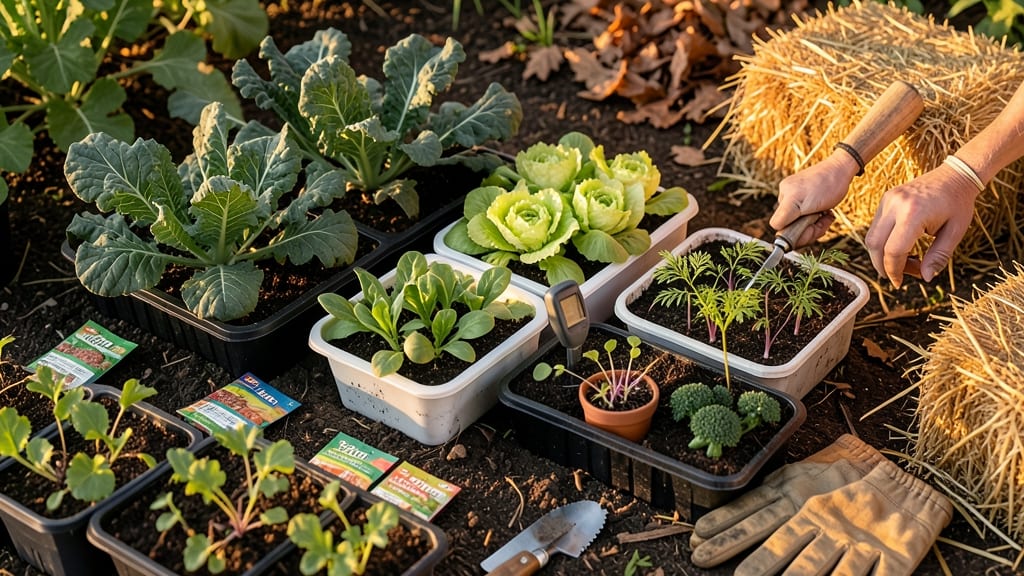
Starting a fall garden 4-6 weeks before frost is the key to a harvest that lasts well into winter 🌱 — but miss that window, and you’ll be left with half-grown greens or bolted herbs.
Timing your fall garden perfectly can mean the difference between a thriving harvest and a frost-killed disappointment—but when exactly should you start planting?
In USDA Zone 6a, that means getting seeds in the ground by mid-August for most cool-season crops, while transplanting seedlings like kale or spinach can wait until early September. The goal? Beat the first frost while giving plants enough time to mature.
Below, I break down the exact planting windows for your region, the best crops to grow, and how to stretch your harvest with simple tricks—so you’re still picking fresh veggies in November.
Fall planting timing by USDA climate Zones: exact weeks before frost
Timing your fall garden starts with knowing your USDA climate zone and calculating weeks before first frost. In Zone 3 (like Minnesota), you’ve got 12-14 weeks before frost hits, while Zone 10 (Florida) can plant nearly year-round.
Each zone has its own optimal transplant window for cool-season crops like kale and spinach—plant too early, and they bolt; too late, and frost kills them before harvest.
For most gardeners, the ideal fall planting window is 4-8 weeks before first frost. This gives crops like carrots and broccoli enough time to mature before temperatures drop below 25°F.
But if you live in a warmer zone (7+), you might stretch that to 6-10 weeks—just check your last frost date and work backward.
Here’s the key: Seed-starting indoors can begin 8-12 weeks before frost for slower growers like cabbage, while direct-sowing should happen 4-6 weeks before frost for fast growers like radishes. Miss these windows, and you’ll end up with stunted plants or frost-damaged greens.
In Zone 3, for example, I start broccoli seeds indoors in early July and transplant them by late July to ensure a harvest before mid-September frost. Meanwhile, in Zone 9, I can direct-sow spinach as late as early October and still enjoy greens through December.
Pro tip: Use a frost calendar (like the Old Farmer’s Almanac) to pinpoint your exact first frost date. Then, subtract 4-6 weeks for direct sowing or 8-12 weeks for seedlings. For example, if frost hits November 1, aim to transplant by October 1.
Don’t overlook soil temperature—most cool-season crops thrive when soil is between 40°F and 70°F. In northern zones (3-5), soil may still be warm in August, but by September, it cools rapidly.
Test your soil with a thermometer before planting; if it’s below 40°F, wait a week or two.
For slow growers like cauliflower or brussels sprouts, I recommend starting seeds 10-12 weeks before frost and using grow lights if daylight shortens too soon. In Zone 6, that means early July starts for a late October harvest—just in time for Thanksgiving feasts!
One common mistake? Planting warm-season crops like tomatoes in fall. They need 70°F+ soil and won’t thrive as temperatures drop. Stick to frost-tolerant crops like kale, carrots, and peas for your fall garden.
Finally, extend your season with row covers or cold frames to push harvests 2-4 weeks later. In Zone 5, this can turn a October frost into a November harvest—worth the extra effort for homegrown greens!
Best fall vegetables to plant now (and when to avoid them)
Fall gardening is your chance to grow hardy, flavorful vegetables that thrive in cooler weather. The key is planting frost-tolerant crops at the right time—too early, and they bolt; too late, and they won’t mature.
For USDA Zone 6a (like much of the Midwest), aim for 4-6 weeks before your first frost (typically mid-October).
Not all vegetables play well in fall. Heat-lovers like tomatoes and peppers should be avoided—unless you’re using row covers to extend their season. Instead, focus on cool-season crops that actually sweeten or improve in flavor after frost, such as kale and carrots.
Kale, spinach, and carrots are my top three fall vegetables—they handle light frosts beautifully and often taste sweeter after a chill. For USDA Zones 3-5, start seeds 6-8 weeks before frost, while Zones 7-10 can plant until November in mild climates. Test your soil temperature first—ideal ranges are 45-70°F for most cool-season crops.
If you’re in a warmer zone (7-10), don’t skip broccoli, Brussels sprouts, or radishes. These thrive in cooler fall temps but struggle in summer heat. For Zones 3-6, prioritize hardy greens like arugula or Swiss chard, which can survive brief freezes if mulched properly.
One common mistake is planting slow-to-mature crops too late, like cabbage or cauliflower. These need at least 60 days to harvest—so if your first frost is October 15, plant by early August. For fast growers like radishes or lettuce, you can push it until September.
Pro tip: Use row covers or cold frames to extend your season by 2-4 weeks. This lets you grow spinach or kale well into December in many regions. Just avoid overcrowding—fall crops need good airflow to prevent fungal diseases like powdery mildew.
Remember, fall planting is all about timing. Start with frost-tolerant crops, monitor your soil temperature, and don’t hesitate to use season-extending tools. With the right choices, your fall garden can be just as bountiful as spring!