
Tools
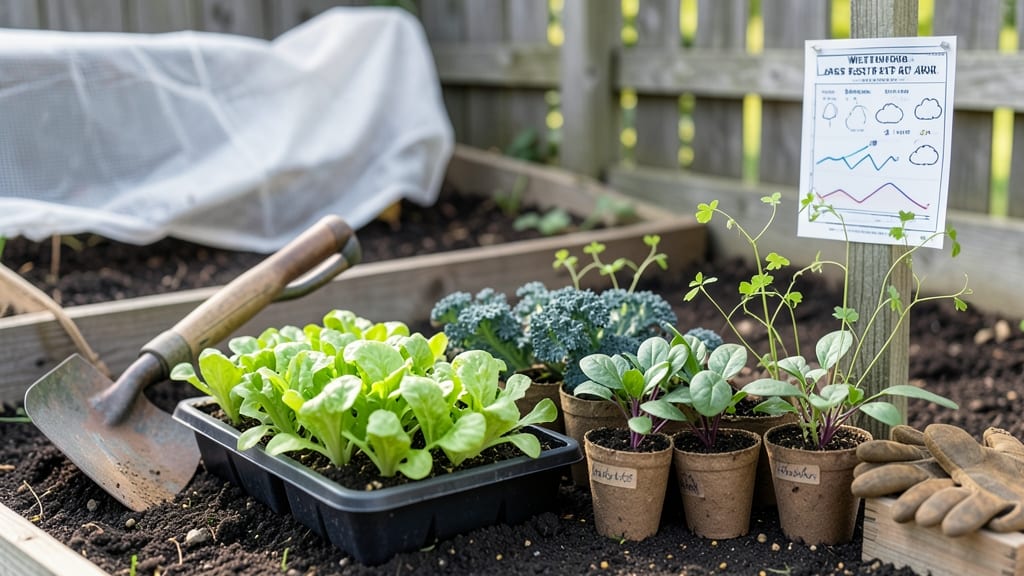
Starting a garden in Ohio depends on knowing when to plant after the last frost—typically mid-April to mid-May for most of the state, with Zone 6a areas playing it safer until late April.
Ohio gardeners know timing is everything—plant too early and frost will strike, too late and you’ll miss the growing season. But with the right strategy, you can beat Mother Nature’s unpredictability and enjoy a thriving garden all summer long.
This guide breaks down the exact frost dates by zone, how to prepare your soil early, and which crops to start indoors for a head start. Whether you’re sowing seeds or transplanting seedlings, we’ll cover the key milestones so you never guess again.
You’ll also find backup plans for late frosts, soil temperature tricks, and a list of the fastest-growing early-season vegetables that thrive in Ohio’s short but sweet spring window.
Ohio last frost dates by Zone (6-7): exact timing for planting vegetables
Ohio’s USDA Zones 6 and 7 create a unique gardening challenge—northern areas like Toledo and Cleveland (Zone 6) average last frosts around April 15, while southern regions like Columbus and Cincinnati (Zone 7) see them 2-3 weeks earlier.
These dates separate success from disappointment for your vegetable garden. Missing the window means frost damage or stunted growth, while planting too late cuts your harvest short.
Historical data shows Ohio’s last frost dates can vary ±10 days year to year, so I recommend using a 10-day buffer after the average date. For example, if Zone 6’s average is April 15, wait until April 25 to be safe.
This strategy protects warm-season crops like tomatoes and peppers from unexpected cold snaps.
Here’s the key difference between Ohio’s zones: Zone 6 has 150-160 frost-free days, while Zone 7 enjoys 180-200 days. That extra time lets Zone 7 gardeners grow longer-season varieties like sweet corn or winter squash.
But even in Zone 7, early May frosts can still occur—especially in valleys and low-lying areas.
To plan accurately, I track soil temperatures alongside frost dates. Most cool-season crops (like lettuce or peas) thrive when soil hits 40°F, while warm-season plants need 60°F+. Use a soil thermometer to confirm readiness—especially in northern Ohio, where cold soils delay planting.
Here’s my go-to planting timeline for Ohio:
- Zone 6: Start cool crops (spinach, kale) March 15; wait until May 1 for tomatoes.
- Zone 7: Begin cool crops February 28; plant warm crops by April 15.
| Zone | Avg. Last Frost | Safe Planting Window | Cold-Hardy Crops | Warm-Season Start |
|---|---|---|---|---|
| 6 (North) | April 15 | April 25–May 10 | Peas, spinach, kale | May 1–May 15 |
| 6b (Central) | April 5 | April 15–April 30 | Lettuce, radishes, carrots | April 20–May 5 |
| 7 (South) | March 25 | April 5–April 20 | Broccoli, cabbage, onions | April 1–April 15 |
| 7b (Extreme South) | March 15 | March 25–April 10 | Peas, spinach, arugula | March 20–April 5 |
*Dates based on 30-year averages; use row covers for earlier planting.
For warm-season vegetables, I swear by row covers to extend the season. In Zone 6, I’ll plant tomato seedlings under covers on April 20, then remove them after the last frost.
This gives my plants a 2-week head start against late frosts. In Zone 7, I push the envelope further—planting peppers and eggplants as early as April 1 with protection.
Don’t overlook microclimates—your backyard might be 2-3 weeks ahead of the average if it’s in a south-facing slope or near a heat-absorbing wall. I test mine by placing flower pots with frost-sensitive plants (like marigolds) in suspect areas.
If they survive overnight, the zone is warmer than the average.
Pro tip: Use the National Weather Service’s frost probability maps
How to adjust your planting schedule for Ohio’s unpredictable weather
Ohio’s weather can throw curveballs—one day it’s 50°F with frost warnings, the next it’s 80°F and scorching. As a gardener who’s lost tomato seedlings to late frosts and seen peppers bolt from early heat, I’ve learned to plan flexibly.
The key is layering strategies so you’re never caught off guard by Mother Nature’s mood swings.
Start by tracking local frost-free dates using tools like the National Weather Service’s frost calculator or your county’s Ohio State University Extension data.
These tools account for Ohio’s Zone 6 and 7 microclimates, where northern areas like Toledo may have 2-3 weeks later frost dates than southern regions like Cincinnati. For example, Toledo’s average last frost is April 25, while Cincinnati’s is April 10—a critical difference for warm-season crops.
⚠️ callout warning
Low-lying areas (like valleys or basins) can hold cold air longer, causing late frosts even after your high-ground plants are safe. Test soil temps with a soil thermometer—most warm-season plants need 55-60°F for 7+ days before planting. If temps dip, use row covers or wait 1-2 weeks longer.
For Zone 6 gardeners (northern Ohio), I recommend starting cold-hardy crops like spinach and peas in early March under row covers. These can handle 20-25°F temps and give you an early harvest before bolting.
Meanwhile, Zone 7 gardeners (southern Ohio) can push the envelope with broccoli and kale as early as late February in protected beds.
When early heat strikes (like those 80°F April days we’ve all experienced), shift to shade cloth or drip irrigation to keep soil cool. For warm-season crops like tomatoes and peppers, delay planting until soil temps hit 60°F—even if the air feels warm.
Use a backup planting schedule: sow fast-maturing varieties (like ‘Early Girl’ tomatoes) first, then follow with longer-season plants 2 weeks later.
Microclimates matter too! A south-facing wall or black mulch can warm soil by 5-10°F, letting you plant 2 weeks earlier in that spot. Conversely, windy areas may need windbreaks to protect young plants.
I’ve even used old Christmas lights wrapped around tomato cages to add 5°F of warmth during chilly nights.
Finally, embrace succession planting—it’s your safety net. If your first lettuce crop bolts in the heat, have baby leaf varieties ready to sow. For Zone 6 gardeners, aim for 3 planting waves (early, mid, late season), while Zone 7 gardeners can stretch to 4 waves.
This way, you’ll always have something thriving, no matter what Ohio throws at you. 🌱