
Tools
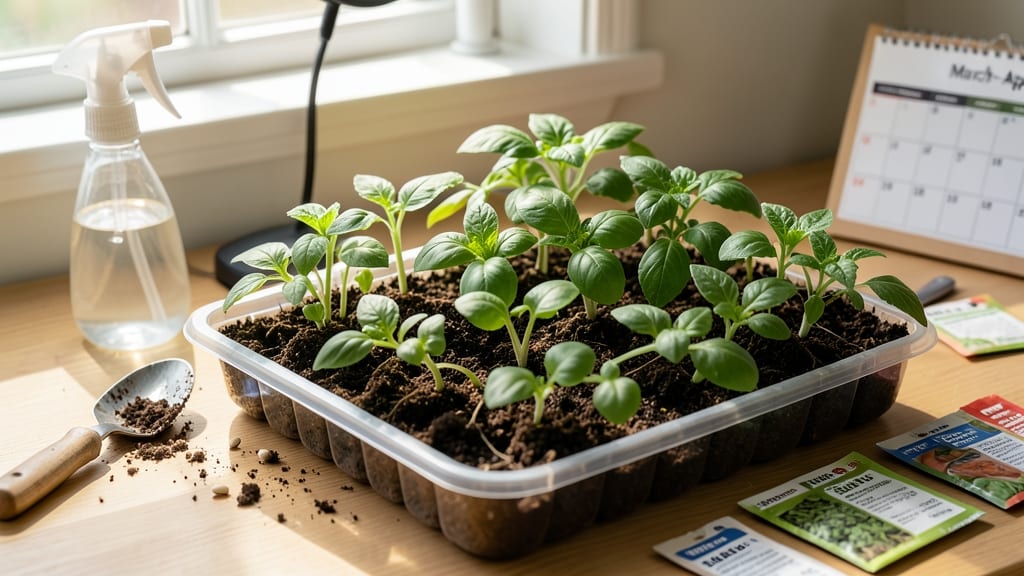
To start garden seeds at the right time means counting backward from your last frost date—because planting too early or late can turn your green thumb into a guessing game.
Picture this: you’ve got your seed trays ready, the soil is warm, and you’re eager to see sprouts. But if you miss the window, you’re either staring at leggy seedlings stretching toward a cold windowpane or watching your warm-season crops bolt in the heat.
The difference between success and frustration? Knowing the exact weeks to start each type of seed for your zone.
This isn’t just about memorizing a chart—it’s about adjusting for your local climate, plant type, and even indoor vs. outdoor conditions.
Whether you’re growing leafy greens that tolerate cold or heat-loving peppers that need a head start, the timing is the key to avoiding common pitfalls like overcrowded seedlings or stunted growth.
Below, I’ll walk you through how to calculate your perfect seed-starting timeline, from cool-season crops to tropical delights, so you can skip the trial-and-error and get straight to the harvest.
How to calculate your perfect seed-starting timeline using last frost dates
Getting your seed-starting timeline right means the difference between a lush garden and wasted effort. The last frost date is your garden's anchor point—it tells you exactly when to start seeds indoors or plant directly outside.
Without it, you might end up with leggy seedlings or late-season harvests. Let's break down how to use this critical date to create your perfect planting schedule.
First, find your local last frost date—this is the average date when temperatures stay above freezing overnight. Check your USDA hardiness zone (Zone 6a is a common example) and use resources like the National Weather Service or Old Farmer's Almanac for precise data.
For instance, in Zone 6a, the last frost typically falls around April 15, but this can vary by 1-2 weeks depending on your microclimate.
Next, adjust for your microclimate. A south-facing slope warms up faster than a shaded valley, so your last frost might come 10-14 days earlier in sunny spots.
Use a frost-free calculator or track local weather patterns for 3-5 years to refine your timeline. Even a 5-degree difference can shift your planting window significantly.
Now, categorize your plants into cold-hardy (like lettuce or peas) and heat-sensitive (like tomatoes or basil). Cold-hardy plants can handle direct sowing 2-4 weeks before your last frost, while heat-sensitive varieties need to be started indoors 6-8 weeks before to mature in time.
This distinction is key to avoiding common mistakes like overcrowded seedlings or late blooms.
| Plant Type | Indoor Start (Weeks Before Last Frost) | Outdoor Start (After Last Frost) | Notes |
|---|---|---|---|
| Cold-Hardy (Leafy Greens, Peas) | 4-6 weeks | Direct sow 2-4 weeks before last frost | Tolerates light frost |
| Cool-Season (Broccoli, Cabbage) | 6-8 weeks | Direct sow 2-3 weeks after last frost | Needs consistent moisture |
| Heat-Sensitive (Tomatoes, Peppers) | 8-10 weeks | Transplant after last frost | Requires warm soil |
| Warm-Season (Beans, Corn) | 2-4 weeks | Direct sow after last frost | Fast-growing, heat-loving |
| Tropical (Okra, Sweet Potatoes) | 10-12 weeks | Transplant after soil warms to 70°F+ | Slow to germinate |
For indoor seed starting, count backward from your last frost date. For example, if your last frost is April 15 and you're growing tomatoes (which need 8-10 weeks indoors), start seeds around February 1-15.
Use a seed-starting chart to track progress—most seedlings need 12-16 hours of light daily to avoid stretching toward weak light sources.
Adjust for unpredictable weather. If your spring is unusually warm, you might experience an early last frost or late first frost. Keep a planting journal to note adjustments, like starting peppers 2 weeks earlier one year due to cooler temperatures.
Row covers can extend your outdoor planting window by 2-3 weeks for cold-sensitive plants.
Don’t forget about second crops! Some plants, like bush beans or radishes, can be sown every 2 weeks after your last frost for a continuous harvest.
For heat-sensitive plants, plan a late summer sowing (like basil) to enjoy flavors into fall. This extends your growing season without extra space.
Finally, use a seed packet timeline as a guide, but always verify with your local frost dates. For instance, a packet might say "start 6-8 weeks before last frost," but if your zone has a longer growing season, you can push it to 7-9 weeks.
The key is balancing maturity time with your climate’s realities.
With this method, you’ll avoid the heartbreak of bolting lettuce or blossom-end rot in tomatoes—both signs of poor timing. Start with your last frost date, adjust for your microclimate, and let your plants guide you. Happy planting! 🌱
Seed-starting schedule by plant type: from cool crops to tropical delights
Not all seeds play by the same rules—cool-season crops like lettuce and spinach thrive in chilly soil, while tomatoes and peppers need warmth to sprout. Your last frost date is the compass, but the plant type dictates the exact timing.
Below, I’ve organized seeds into three categories: cool-season, warm-season, and tropical, with color-coded indicators for indoor vs. outdoor starts.
Fast-growing varieties like radishes (30 days to harvest) can go straight into the ground 2–4 weeks before your last frost, while slow growers like broccoli (80+ days) need an 8-week indoor head start.
Tropical plants such as ginger or eggplant? They’re finicky—they won’t germinate until soil hits 70°F+, so wait until after your last frost or start them indoors 10–12 weeks early.
Pro Tip: Use a seed-starting chart to track progress. For example, if your last frost is April 15, start tomatoes indoors on February 15 and transplant them March 15. Miss this window, and you’ll risk leggy, weak seedlings.
For slow-to-mature plants like artichokes or asparagus, extend your indoor start to 12 weeks before last frost—they’re worth the wait! Meanwhile, fast growers such as radishes or bush beans can be direct-sown just 2 weeks before your last frost.
The key is matching the plant’s days-to-maturity with your growing season.
Don’t forget to adjust for microclimates. A sunny south-facing window might be 10°F warmer than your average last frost date, while a shady spot could delay planting. Use a soil thermometer to confirm readiness—cool crops need 40–50°F soil, while warm-season plants won’t germinate below 60°F. 🌱
Start with 3–5 seeds per pot for cool crops (they’re hardy) and thin later, but warm-season seeds like peppers are expensive—so use 1–2 seeds per cell and transplant carefully. Overcrowding leads to damping off, a fungal disease that kills seedlings overnight. ☀️