
How To
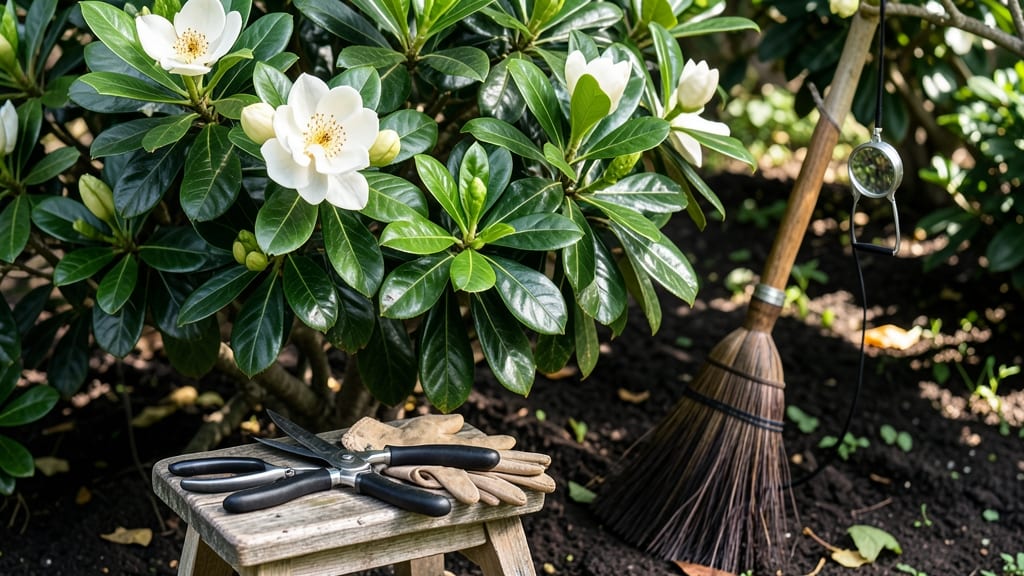
To trim gardenia bushes 🌸 at the right time means waiting until after they’ve finished blooming—typically late spring to early summer—so you don’t accidentally snip off next year’s flower buds.
Struggling to keep your gardenia bushes blooming beautifully year after year? Timing your pruning correctly is the secret to lush, vibrant growth—and avoiding accidental damage to next season’s flowers.
Most gardeners make the mistake of pruning too early, right after winter, when the plant is still dormant. But gardenias store their flower buds on old wood, so cutting back before they’ve bloomed can leave you with bare stems for months.
Below, I’ll walk you through the exact steps to prune your gardenia bushes without sacrificing next year’s blooms, plus how to adjust your timing based on your climate zone—whether you’re in frost-free Zone 9b or colder Zone 6.
Best time to prune gardenia bushes for maximum blooms
If you’ve ever wondered when to trim gardenia bushes without sacrificing next year’s stunning blooms, timing is everything. Gardenias produce flower buds on old wood, meaning those fragrant white blossoms form on last year’s growth—not new shoots.
Prune at the wrong time, and you’ll cut off potential blooms before they even appear. The key is to prune just after flowering, typically in late winter to early spring, when new growth is about to begin.
This post-bloom timing gives your gardenia the best chance to recover and set buds for the next season. In USDA Zone 9b (like coastal California or Florida), aim for February to March—right after the last frost risk has passed.
For cooler climates like Zone 6, wait until late April or early May, once the threat of frost is gone and the plant shows signs of new growth.
Here’s the critical rule: Never prune in fall or early winter. Doing so removes next year’s flower buds before they’ve formed, leaving you with sparse blooms—or none at all. Even light trimming during dormancy can stress the plant and delay spring growth.
Instead, focus on cleaning up dead or diseased branches in late winter and shaping the bush once flowering has finished.
🌸
| Time to Prune | Why This Timing | Climate Adjustments | What to Avoid |
|---|---|---|---|
| Late Winter (Feb) | Encourages early spring growth; removes winter-damaged branches. | Zone 9b: Safe after last frost. Zone 6: Wait until April. | Pruning too early—buds may still be dormant. |
| Early Spring (Mar) | Optimal for shaping; plant is actively growing. | Ideal for most regions; aligns with new growth. | Over-pruning—remove no more than 1/3 of the bush. |
| Post-Bloom (Apr-May) | Removes spent blooms; stimulates new flower buds. | Zone 6: Best after last frost (mid-May). | Cutting into old wood—buds form on last year’s stems. |
| Fall/Winter (Sep-Feb) | N/A—plant is dormant; buds are already set. | Avoid entirely; risks removing next year’s blooms. | Any pruning—even light—can stress the plant. |
Understanding your gardenia’s growth cycle is half the battle. Flower buds begin forming in late summer, but they’re hidden inside the stems. By pruning in late winter or early spring, you’re targeting dead or crossing branches—not the wood that will produce next year’s blooms.
Think of it as a spring cleaning for your bush: remove the clutter so energy can focus on new growth and future flowers.
For example, if your gardenia bloomed heavily in spring 2024, wait until March 2025—after the flowers have faded—to prune. This timing ensures you’re not interfering with the bud formation process, which typically peaks in late summer but relies on the previous year’s structure.
Pro tip: Look for small green buds along the stems in late summer; these are your future blooms.
If you’re in a warmer climate like Zone 10 or 11, gardenias may bloom year-round or twice a year. In these cases, prune lightly after each bloom cycle—but never more than 10-15% of the bush at a time.
Over-pruning in hot climates can lead to heat stress, causing the plant to drop buds or leaves. Always prioritize airflow and light penetration over aggressive shaping.
One common mistake is pruning to encourage more blooms by cutting back heavily. This backfires because gardenias bloom on old wood, not new growth. Instead, focus on removing dead wood, crossing branches, and shaping the bush to improve airflow.
A well-pruned gardenia will naturally produce more blooms because it’s healthier and less stressed. Aim to keep the bush open and airy, with light able to reach the inner stems where buds form.
🌿
Finally, don’t forget to sterilize your pruning tools before and after trimming. Gardenias are susceptible to fungal diseases like powdery mildew, especially in humid climates.
Use a 10% bleach solution or rubbing alcohol to clean shears between cuts, and always make clean cuts at a 45-degree angle just above a leaf node. This reduces the risk of infection and promotes faster healing.
With the right timing and technique, your gardenia will reward you with vibrant, fragrant blooms for years to come.
✂️
Step-by-Step guide to pruning gardenia bushes without killing flowers
Pruning your gardenia bushes correctly ensures healthy growth and abundant blooms next season. The key is knowing when and how to trim without accidentally removing next year’s flower buds, which form on old wood.
With the right tools and technique, you’ll shape your gardenia beautifully while protecting its future blossoms. Let’s dive into the step-by-step process to keep your plants thriving.
Before you start, gather your pruning tools: clean, sharp bypass pruners for small branches, loppers for thicker stems, and gloves to protect your hands from thorns. Sterilize your tools with rubbing alcohol to prevent spreading disease.
Gardenias respond best to light pruning—never remove more than one-third of the plant in a single session. This ensures you don’t stress the shrub or reduce flowering potential.
-
1
Step 1: Identify Dead or Diseased Wood
Start by inspecting your gardenia for dead branches. These are usually brown, dry, or brittle and snap easily when bent. Remove these first—they won’t regrow and can harbor pests. -
2
Step 2: Shape the Bush
Use your pruners to trim back overgrown branches to encourage airflow and sunlight penetration. Cut just above a leaf node or outward-facing bud to promote new growth in the right direction. -
3
Step 3: Deadhead Spent Blooms
After flowering season, remove wilted flowers by cutting the stem back to the nearest leaf or bud. This redirects energy to new growth and prevents seed formation, which can drain the plant. -
4
Step 4: Clean Up the Area
Collect all pruned branches and dispose of them in the trash (not compost) to prevent disease spread. Rake up fallen leaves and debris around the base to keep the soil healthy. -
5
Step 5: Apply Mulch and Fertilizer
After pruning, add a 2-inch layer of mulch around the base (keep it 3 inches away from the trunk). Feed with a balanced, acidic fertilizer to support new growth for next season’s blooms.
When pruning, always cut at a 45-degree angle just above a bud or leaf node. This encourages healthier regrowth and prevents water from pooling on the cut, which can lead to rot.
Avoid cutting into old wood where flower buds form—these buds are hidden in the stems and will bloom next season if left intact. If you accidentally cut into old wood, don’t worry; gardenias are forgiving and will still produce flowers, though you may see slightly fewer blooms that year.
For gardenias in cooler climates (USDA Zone 6), delay pruning until after the last frost date in late spring (around April) to avoid damaging new growth from unexpected cold snaps.
In warmer climates (Zone 9b), late winter to early spring (February-March) is ideal. Always prune on a dry, overcast day to reduce stress on the plant and minimize sap loss.
After pruning, monitor your gardenia for signs of stress, such as yellowing leaves or dropped buds. If this happens, adjust your watering schedule—keep the soil consistently moist but not soggy—and avoid fertilizing for at least 4-6 weeks to help the plant recover.
With proper care, your gardenia will reward you with fragrant, lush blooms for years to come.
🌸