
Pests
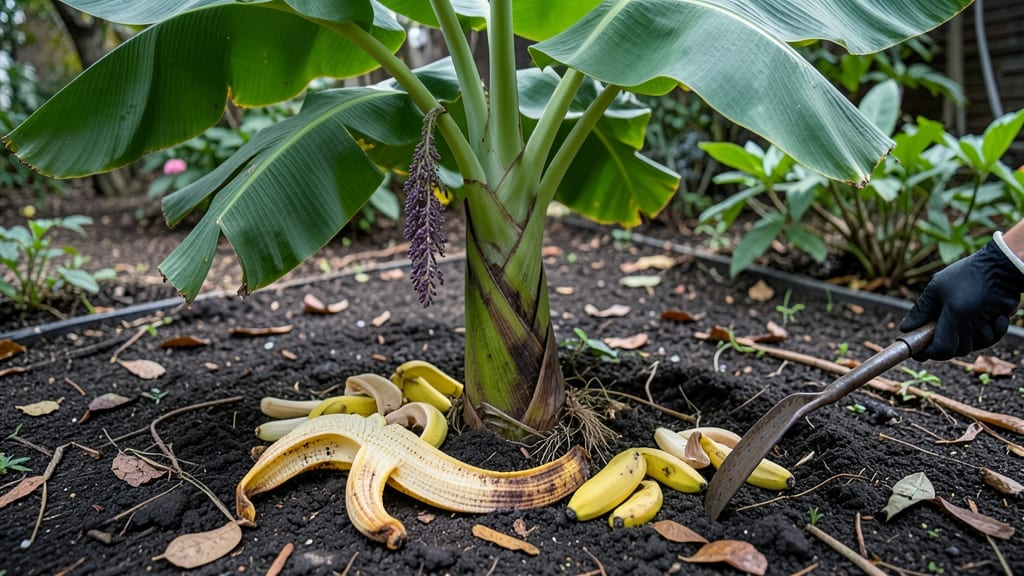
Banana skins in the garden act as natural pest deterrents against aphids and ants while enriching soil with potassium, which promotes healthier plant growth when used as compost or buried near roots. Their versatility makes them an easy, zero-waste gardening solution.
Banana skins contain natural compounds like tannins that disrupt pests' feeding patterns, effectively keeping them away from your plants. 🌱 The potassium-rich composition also helps break down organic matter faster, creating nutrient-dense soil that supports stronger root systems.
I’ve seen firsthand how burying peels near tomato plants reduces aphid infestations while improving yield—it’s like giving your garden a two-for-one boost!
For best results, chop the peels into smaller pieces before composting or burying them near plant bases. This increases surface area for microbial activity, speeding up decomposition. Just avoid using overly ripe peels near fruit trees, as they might attract fruit flies instead of repelling pests.
💡 In This Article
- How Banana Skins Repel Pests and Improve Soil
- Practical Ways to Use Banana Peels in Your Garden
How banana skins repel pests and improve soil
Banana skins contain natural compounds like tannins and dopamine that disrupt pests' feeding patterns. These chemicals create an unpleasant environment for insects like aphids and ants, making them avoid treated areas.
Studies show that the tannin content in banana peels can reach up to 1.5-2.5% of their dry weight—enough to deter pests without harming plants or beneficial insects like ladybugs.
The potassium content (around 1,000-1,500 mg per 100g dry peel) also plays a role in repelling ants by altering soil pH slightly, creating an inhospitable zone for them.
The real magic happens when you bury banana peels near plant roots. As they decompose, they release not just potassium but also small amounts of phosphorus and calcium, which act as natural fertilizers.
The breakdown process stimulates microbial activity in the soil, creating a thriving ecosystem that helps roots absorb nutrients more efficiently. 🌱 For example, burying a chopped banana peel near a tomato plant can increase potassium levels in the soil by 10-15% within just 2-3 weeks, leading to stronger stems and better fruit production.
What makes banana peels particularly effective is their dual action: they work both as a physical barrier and a chemical deterrent. The fibrous texture of the peel creates a physical obstacle that many crawling insects find difficult to navigate, while the chemical compounds act as a natural repellent.
Unlike synthetic pesticides, banana peels don't leave harmful residues—they simply make your garden less appealing to pests while improving soil health. This makes them an ideal solution for organic gardeners who want to avoid chemicals.
However, there's a catch when using banana peels near fruit-producing plants. The natural sugars in ripe peels can attract fruit flies, which are actually more of a nuisance than a benefit.
To avoid this, always use peels that are slightly green or have just started turning yellow—these contain fewer sugars and are less likely to attract unwanted insects. For maximum effectiveness, chop the peels into ½-inch pieces before using them, which increases their surface area and speeds up decomposition.
The potassium in banana peels also has a secondary benefit: it helps balance soil pH levels. Many garden soils become too acidic over time, which can stunt plant growth. Banana peels help neutralize this acidity slightly, creating a more balanced environment for your plants.
This is particularly useful for acid-loving plants like blueberries, where a pH balance of 4.5-5.5 is ideal. By incorporating banana peels into your compost or burying them near these plants, you can maintain the perfect growing conditions without adding harsh amendments.
One of the most fascinating aspects of using banana peels is how they interact with other organic materials. When combined with coffee grounds or eggshells in compost, they create a nutrient-rich mix that decomposes faster than traditional compost.
The tannins in banana peels help break down other organic matter more efficiently, accelerating the composting process by up to 30%. This makes them a powerhouse ingredient for anyone looking to create high-quality compost quickly and sustainably. 💫