
Picking
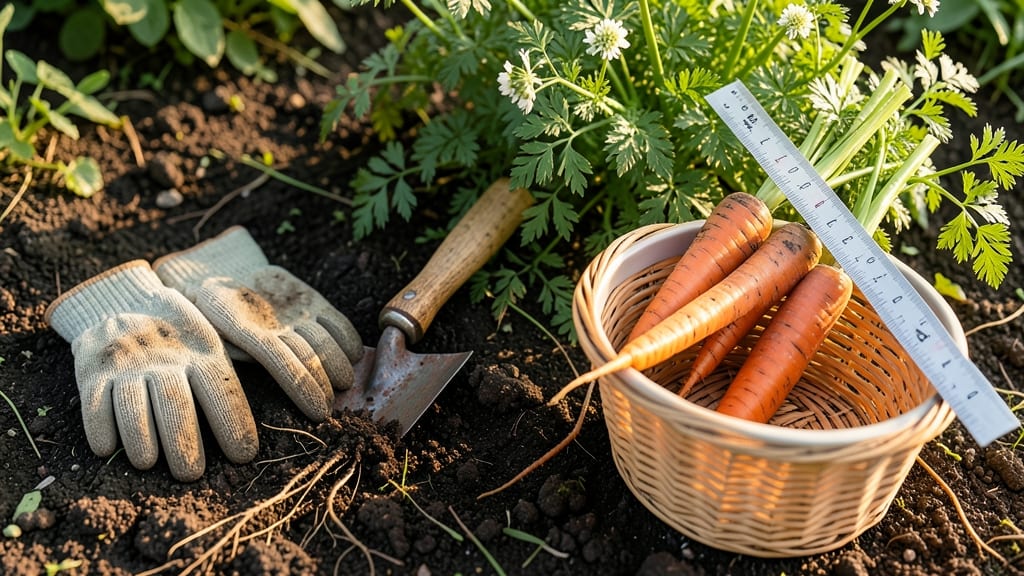
Harvesting carrots from your garden at the right time means the difference between sweet, crisp roots and tough, bitter ones 🥕 — and the best part? You don’t need a degree in botany to get it right.
Picking too early means tough, bitter roots—while waiting too long risks woody texture and lost flavor. The secret to sweet, crisp carrots lies in mastering the perfect harvest timing and soil cues most gardeners miss.
Think about it: the moment a carrot reaches its ideal size, its skin resists gentle pressure, and the tops are lush but not wilting is your golden window. Miss it, and you’ll end up with roots that are either too small or too fibrous.
Below, I’ll walk you through the exact soil checks, size clues, and seasonal adjustments to pull carrots at peak sweetness—plus how to avoid the common mistakes that turn great harvests into disappointments.
How to tell when carrots are ready to harvest by size and soil tests
Harvesting carrots at the right moment transforms your garden into a treasure trove of sweet, crisp roots. The key lies in combining visual size cues with soil and root resistance tests that reveal true maturity.
Skip these checks, and you risk either tough, underdeveloped roots or woody, bitter harvests that ruin your dinner plans.
Most gardeners focus solely on leaf height or days after sowing, but the real magic happens underground. A simple finger soil check can tell you more about root development than any calendar could.
Combine this with root pressure tests and you'll know exactly when to pull for that perfect sweet, tender crunch.
For visual learners, here's a quick reference guide to harvest readiness based on size, color, and soil conditions:
| Harvest Indicator | Ready Signs | Not Ready Signs | Action |
|---|---|---|---|
| Root Size | 1-3" (baby) or 6-8" (mature) | Under 1" or uneven growth | Harvest or wait 5-7 days |
| Leaf Height | 6-8" tall, lush green | Under 4" or yellowing | Check soil moisture |
| Soil Test | Firm, resists finger pressure | Loose or crumbly | Water if dry, wait 3 days |
| Root Pressure | Resists gentle pull (no dent) | Gives easily or dents | Wait 3-5 more days |
| Color Depth | Vibrant, consistent hue | Pale or patchy | Check soil nutrients |
Start by examining the top growth. Mature carrot leaves should reach 6-8 inches tall with vibrant green color. If you notice yellowing leaves or stunted growth, your carrots may need more nitrogen or consistent watering.
But don't harvest just because the leaves look good—this is where the underground test becomes critical.
Grab a handful of soil near your carrot plants and squeeze gently. If the soil holds its shape and feels firm (like a well-packed dirt road), your roots are likely ready.
If it crumbles easily, wait 3-5 more days and check again. This simple soil moisture test prevents the most common mistake: harvesting carrots that are still too small and watery.
For the definitive test, gently grasp a carrot at the leaf base and try to pull it. If it resists slightly (like pulling a cork from a bottle) but doesn't snap, it's ready.
If it comes out easily or leaves a dent in the soil, wait another week. This root resistance test is the most reliable way to judge maturity without digging up every plant.
Pay attention to the color intensity of your carrots. Ready-to-harvest roots should have a deep, consistent color throughout. If you see pale patches or uneven hues, your carrots need more time in the soil.
Varieties like Nantes develop their signature orange hue first at the shoulders, while Danvers types turn uniformly deep.
One trick I use in my garden is the "shoulder test". For long varieties, gently expose the top 1-2 inches of the root by brushing away soil. If the shoulder is fully colored and the root feels firm, it's harvest-ready.
This method lets you check without disturbing the entire plant, which is especially helpful for baby carrots or short-season varieties.
Remember that harvest timing varies by variety. Short types like Paris Market mature in 50-60 days, while long varieties like Chantenay take 70-80 days. Always check your seed packet for specific guidelines, then adjust based on the soil and weather conditions in your zone.
A cool spring might delay maturity by 1-2 weeks, while hot summers can speed things up.
Once you
Common harvest mistakes that ruin carrot flavor (and how to avoid them)
Even with perfect growing conditions, harvest timing mistakes can turn your homegrown carrots from sweet and crisp to tough or bitter. I’ve pulled carrots too early only to find them underdeveloped and woody, or waited too long and ended up with hard, stringy roots.
These errors happen more often than you’d think, especially when gardeners focus only on days-to-maturity rather than soil and plant cues.
The most critical mistake is ignoring soil moisture before harvest. Carrots grown in dry soil develop concentrated sugars but also become hard and fibrous. Meanwhile, overwatered carrots split or lose flavor.
Even the best carrot varieties like Nantes or Danvers can’t compensate for poor harvest timing. Let’s fix this together with actionable tips.
⚠️ WARNING: Harvesting Too Early or Late
Pulling carrots when they’re too small (under 1 inch) results in bitter, tough roots. Waiting until they’re over 80 days past planting turns them woody and unpalatable. The ideal harvest window is when roots reach 60-70% of their mature size—typically 6-8 inches long—with deep color and firm texture.
💡 Pro Tip: Use the finger test: Gently press the carrot’s shoulder. If it resists but doesn’t dent, it’s ready. If it yields easily, it’s underripe.
Another silent flavor killer is missing pest damage before harvest. Carrot rust flies and aphids leave tiny holes or discoloration that ruin texture and taste. I once harvested a batch of purple carrots only to notice chewed edges after washing.
Always inspect the shoulder of the root and leaf stems for signs of pests or disease before pulling.
If you’ve already harvested imperfect carrots, don’t toss them! Baby carrots (harvested at 1-2 inches) can still be delicious when cooked. For larger, tough roots, try peeling and roasting to enhance natural sweetness.
Store them in a cool, humid place (like a root cellar) for up to 3 months to salvage flavor.
To extend storage life, cure your harvest first: Leave carrots in the soil for 24 hours after pulling to toughen the skin. Then, trim leaves and store in sand or sawdust (not plastic bags) to prevent rot. This method keeps carrots crisp for weeks longer than refrigeration alone.
Finally, avoid the trap of overcrowding at harvest. If your carrots grew too close together, they’ll compete for nutrients, leading to small, misshapen roots. Next season, thin seedlings to 2-3 inches apart and harvest in batches to maintain quality.
With these fixes, you’ll go from flavor disappointment to garden-fresh perfection every time.