
Watering
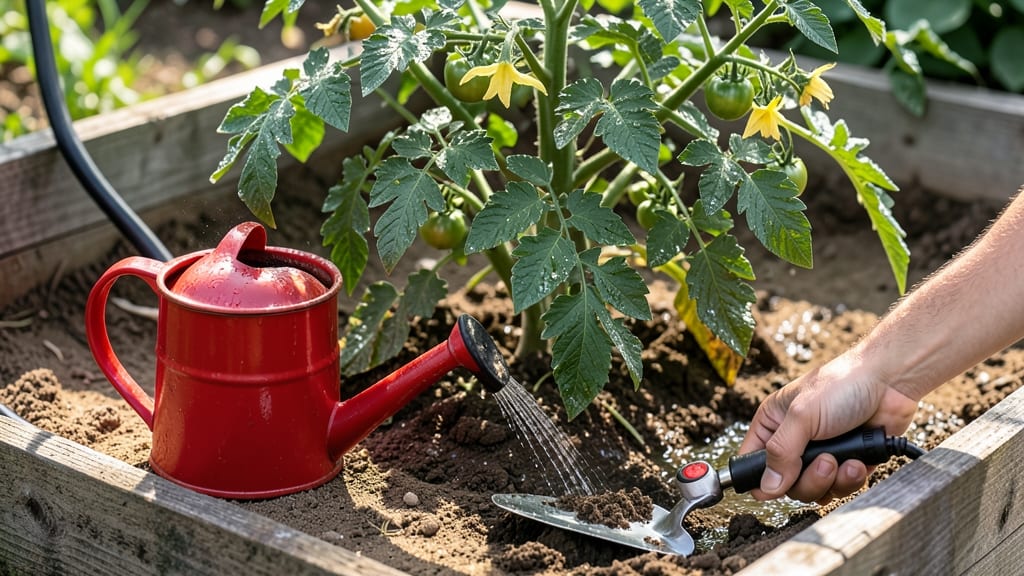
You don’t need to water your garden every day unless you’re dealing with extreme heat or sandy soil—most plants thrive with 1 to 1.5 inches of water per week, adjusted by plant type, weather, and soil drainage. Overwatering harms roots and encourages pests.
Daily watering creates more problems than it solves for most gardens. 🌱 The key is understanding how different plants absorb moisture—deep-rooted perennials like lavender need less frequent but deeper watering, while shallow-rooted lettuce requires consistent moisture to prevent bolting.
I’ve found that checking soil moisture with your finger (1-2 inches down) is the most reliable method, especially in hot climates where evaporation rates can double. Even drought-resistant plants like succulents need occasional deep watering to establish strong root systems.
Seasonal adjustments are critical too. During summer’s peak heat, you might need to water twice weekly, while cooler months often require only weekly maintenance. The real danger isn’t underwatering but overwatering—it suffocates roots by blocking oxygen and creates perfect conditions for fungal diseases.
My rule of thumb? When in doubt, water less frequently but more deeply to encourage roots to grow downward where moisture naturally collects.
💡 In This Article
- How Soil Type and Climate Affect Garden Watering Needs
- Science-Backed Watering Schedules for Common Garden Plants
How soil type and climate affect garden watering needs
Soil composition dramatically alters how often you should water. Sandy soil drains water at an alarming rate—up to 1 inch per hour—meaning plants need frequent, shallow watering to keep the top layer moist.
In contrast, clay soil holds water like a sponge, often requiring watering only every 7-10 days because it retains moisture near the surface while suffocating roots below. The ideal soil for most plants is loamy, which balances drainage and moisture retention, allowing roots to access water without drowning.
Climate plays an equally critical role. In arid regions like the Southwest U.S., evaporation rates can exceed 0.25 inches per day during summer, demanding daily watering for young plants. Meanwhile, in humid climates like the Pacific Northwest, 1 inch per week may be enough year-round.
Wind exposure also matters—plants on windward sides of your garden lose moisture 30-50% faster than sheltered ones. This is why morning watering (before 10 AM) minimizes evaporation loss compared to afternoon sessions.
Root depth determines how deeply water should penetrate. Shallow-rooted plants like lettuce or basil need 1-2 inches of water every 2-3 days to keep their delicate roots hydrated, while deep-rooted perennials like rosemary thrive with 1 inch of water every 5-7 days because their roots seek moisture below the surface.
The drip irrigation method at 1-2 gallons per hour ensures water reaches root zones without surface runoff, which is especially valuable for sandy soils where water disappears faster than it’s applied.
Seasonal transitions create hidden challenges. Spring showers often mean you can reduce watering by 30-50% compared to summer, while fall’s cooler temperatures slow evaporation. However, early fall can be deceiving—some plants like tomatoes still need 1.5 inches weekly to ripen fully.
The soil moisture test (inserting your finger 1-2 inches deep) is your best tool: if it feels dry, water; if damp, wait. This simple check eliminates guesswork and prevents both underwatering and overwatering.
Mulching emerges as a game-changer across all soil types. A 3-inch layer of organic mulch (like wood chips or straw) reduces soil temperature fluctuations by 10-15°F and cuts evaporation by up to 70%.
In clay soils, it prevents crusting that blocks air and water, while in sandy soils, it slows moisture loss dramatically. The best mulches are those that break down slowly (like hardwood chips) to feed the soil over time, creating a self-sustaining moisture buffer.
What most gardeners overlook is how plant maturity affects water needs. Seedlings require daily watering to establish roots, but established perennials often thrive on weekly deep watering. The transition period—when plants shift from youth to maturity—is when many gardeners overwater out of concern.
Pay attention to leaf color: yellowing often signals overwatering, while wilting in the heat of day indicates thirst. Both are your garden’s way of communicating its needs.
Ultimately, the most efficient gardens are those that mimic natural rainfall patterns—deep, infrequent watering that encourages roots to grow downward where moisture persists. This approach not only saves time but also builds resilient plants that can withstand droughts. 🌿