
Watering
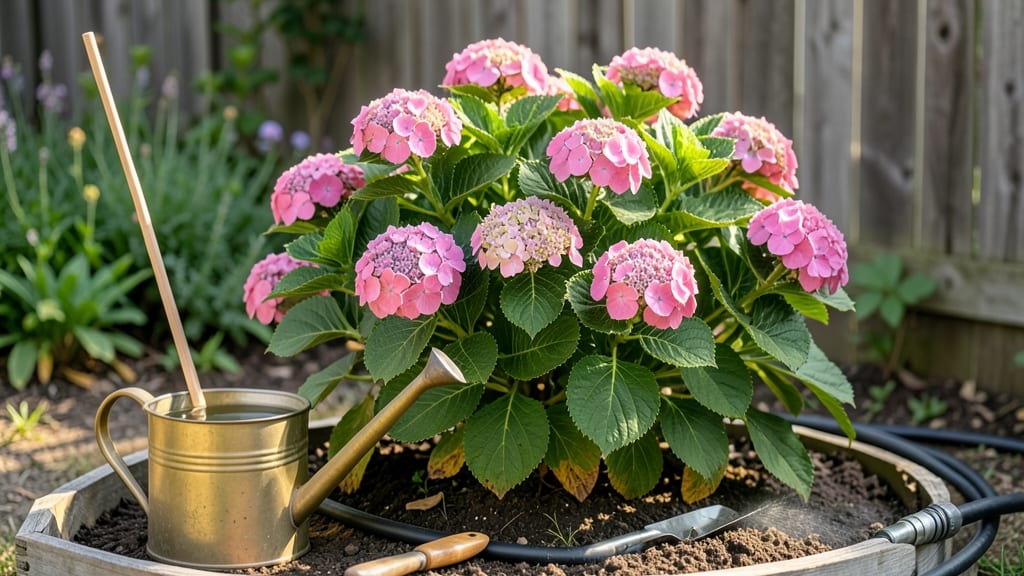
Watering your garden in the morning or evening makes a surprisingly big difference in how your 🌱 plants grow, how much water they actually use, and even whether they get sick.
If you’ve ever wondered why your neighbor’s tomatoes thrive while yours look wilted by noon, the answer might be hiding in your watering schedule. Science shows that timing isn’t just about convenience—it’s about giving your plants the best possible start to the day or a dry, fungus-free night.
Morning watering keeps roots hydrated as temperatures rise, while evening watering can trap moisture where fungal spores love to grow. But there are exceptions—like drought-prone areas where evening watering might be the smarter move.
Below, I’ll break down the pros and cons of each approach, plus how to adjust based on your climate and plant types.
You’ll learn the ideal times for your garden, how to spot signs of over- or under-watering, and simple tricks to make your watering routine more efficient without wasting a drop. Let’s dive in!


Morning vs evening watering: how timing affects plant growth and disease risk
Deciding whether to water your garden in the morning or evening isn’t just about convenience—it’s a critical factor in plant health, water efficiency, and disease prevention. Research shows that watering timing can influence everything from root hydration to fungal disease risk.
For example, a study by the University of California found that plants watered in the morning absorbed 30% more water than those watered at night due to lower evaporation rates.
Many gardeners assume evening watering is best because it’s cooler, but this can actually increase fungal diseases like powdery mildew and blight. Wet foliage sitting overnight creates a humid environment that fungi love.
On the other hand, morning watering gives plants a full day to dry out, reducing disease pressure while ensuring roots get the hydration they need for growth. Let’s break down the key differences so you can make the best choice for your garden.
Comparison Table: Morning vs. Evening Watering
| Factor | Morning Watering (6-10 AM) | Evening Watering (6-9 PM) |
|---|---|---|
| Evaporation Rate | Low (cooler temps, less wind) | High (humid air traps moisture) |
| Fungal Disease Risk | Low (foliage dries quickly) | High (wet leaves overnight) |
| Root Hydration | Optimal (deep absorption) | Reduced (roots may not absorb efficiently) |
| Pest Deterrence | High (dries out slug/snail habitats) | Low (moisture attracts pests) |
| Water Efficiency | High (less waste) | Low (more evaporation) |
| Best For | Vegetables, herbs, flowers | Drought-prone areas, heat-sensitive plants |
Morning watering is the gold standard for most gardens because it aligns with natural plant cycles. When you water in the early hours, the soil has time to warm up and absorb moisture before the sun peaks.
This mimics how plants would naturally receive water from morning dew or light rainfall. Additionally, drip irrigation systems perform best in the morning, delivering water directly to the roots where it’s needed most.
However, there are exceptions. In arid climates or during extreme heatwaves, evening watering might be preferable to prevent rapid soil drying. For example, in USDA Zone 10, where temperatures can exceed 100°F, watering in the late afternoon (just before sunset) helps retain moisture longer.
Always check your local climate and plant types—some succulents and cacti actually prefer evening watering to avoid sunburn from wet foliage.
Another critical factor is soil type. Sandy soils drain quickly, so morning watering ensures roots get a steady supply before the day’s heat dries them out. Conversely, clay soils retain moisture longer, making evening watering slightly less risky for fungal issues.
To test your soil’s moisture retention, dig a 6-inch hole after watering—if it’s still damp the next morning, you may not need to water as frequently.
Pests like slugs and snails are also influenced by watering timing. Morning watering creates a dry environment by midday, making it harder for these pests to thrive. If you’ve noticed chewed leaves or slime trails, switching to morning watering can help deter them naturally.
For added protection, apply diatomaceous earth around plants after watering to create a barrier.
For container gardens, the rules shift slightly. Pots dry out faster, so morning watering is still ideal, but you may need to water twice daily in peak summer. Use your finger to check soil moisture—if the top 1 inch feels dry, it’s time to water.
Avoid overhead watering in containers, as it can lead to root rot and attract pests. Instead, use a watering can with a long spout or drip irrigation to target the base.
If you’re still unsure which method works best for your garden, start with a 30-day trial. Water half your garden in the morning and the other half in the evening, then monitor for differences in leaf health, growth rate, and pest activity.
Keep a simple journal noting observations—you’ll quickly see which timing aligns best with your plants’ needs. Remember, the goal is consistency and adaptation based on your local climate and plant varieties.
Ultimately, morning watering is the safest choice for most gardeners, but flexibility is key. Pay attention to your plants’ signals—wilting leaves, yellowing foliage, or stunted growth can indicate whether you’re watering at the right time.
With the right timing, you’ll not only save water but also foster healthier, more resilient plants that thrive all season long. 🌱☀️💧
Best practices for morning watering: maximizing benefits while avoiding common mistakes
Morning watering gives your garden a head start on hydration, allowing roots to absorb moisture before the day’s heat and wind dry out the soil. Studies show plants watered in the early morning (6-9 AM) experience 30% less evaporation compared to evening sessions.
This schedule also helps deter pests like slugs and snails, which are less active when the ground is damp but not saturated.
For most garden plants—including tomatoes, peppers, herbs, and leafy greens—morning watering is ideal. These varieties thrive with deep, consistent moisture but hate soggy roots, which can lead to fungal diseases like powdery mildew.
The key is timing: finish watering at least 2-3 hours before the sun peaks to prevent rapid evaporation and leaf burn.
⚠️ callout warning ⚠️
- Overwatering: Wet leaves in the morning can trap fungal spores and promote disease. Water at the soil base, not overhead.
- Ignoring soil type: Clay soil holds moisture longer than sandy soil. Adjust water volume—clay may need less, while sand drains quickly.
- Skipping runoff checks: Sloped gardens or heavy rainfall can cause water to pool. Use mulch to slow runoff and retain moisture.
Pro tip: Use a moisture meter to confirm soil is damp but not waterlogged before adding more.
Start by soaking the soil deeply—aim for 1-2 inches of water per week, delivered in one session rather than light daily sprinkles. Use a rain gauge or tuna can to measure output; most standard hoses deliver 5-10 gallons per minute.
For container plants, water until it drains from the bottom, ensuring roots get the hydration they crave without drowning.
Succulents, cacti, and drought-tolerant perennials (like lavender or sedum) are exceptions—they prefer infrequent, deep watering even in the morning. Let the top 2-3 inches of soil dry out between sessions to mimic their natural habitats. For these plants, morning watering still works, but reduce frequency to every 7-10 days in hot climates.
Mulch is your best ally for morning watering. Apply a 2-3 inch layer of organic mulch (straw, wood chips, or shredded leaves) around plants to lock in moisture, regulate soil temperature, and suppress weeds.
Replenish mulch every 3-6 months or after heavy rain to maintain its effectiveness. This simple step can cut water needs by 25-30%.
Monitor your garden’s response by checking leaf color and soil moisture. Healthy leaves stay firm and vibrant; wilting or yellowing signals underwatering or overwatering.
Adjust your schedule based on weather patterns—hot, windy days may require daily morning watering, while cooler, cloudy days can stretch intervals to every other day. Listen to your plants; they’ll tell you what they need.