
Tools
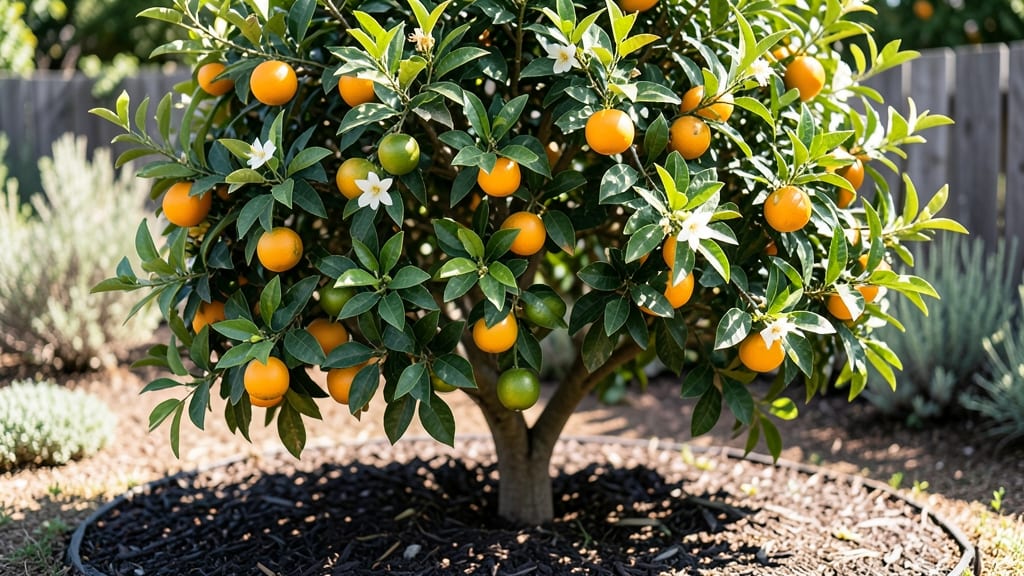
Garden Zone 9B provides a year-round growing climate with winter lows between 25-30°F, perfect for frost-sensitive plants such as citrus trees, bougainvillea, and hibiscus alongside cool-season vegetables like kale and broccoli. Frost events usually occur between December and February, though exact dates vary by local elevation and coastal protection.
This temperate climate creates a unique advantage for gardeners—you can grow both heat-loving Mediterranean plants and cold-hardy vegetables in the same season. 🌿 The key is understanding your specific microclimate: coastal areas often experience milder winters, while inland regions may see occasional hard freezes.
I always recommend monitoring local weather patterns and adjusting planting schedules accordingly, especially for tender tropical plants.
Zone 9B's extended growing season—typically 300-365 days—means you can experiment with unusual crops like artichokes or asparagus while still enjoying traditional favorites. The real magic happens in late fall when cool nights slow plant growth, intensifying flavors in vegetables like Brussels sprouts and carrots.
💡 In This Article
- Understanding Garden Zone 9B Climate and Frost Patterns
- Top Plants for Thriving in Zone 9B Gardens
Understanding garden Zone 9B climate and frost patterns
Zone 9B's climate mechanics revolve around its precise temperature range of 25-30°F for average winter lows, which creates a delicate balance between frost sensitivity and hardiness.
The USDA classification system uses these minimum temperatures to define plant survival zones—meaning most Zone 9B plants can tolerate brief dips to 25°F but will suffer damage below 20°F.
This explains why citrus trees (which need 28°F protection) thrive here while more tender tropicals like mangoes require additional winter protection.
Frost patterns in Zone 9B are heavily influenced by elevation and coastal proximity. Coastal areas benefit from the ocean's heat retention, often experiencing 5-10°F warmer nights than inland locations.
For example, San Diego's coastal areas might see frost only every 5-10 years, while inland valleys like Temecula can experience 3-5 frost nights annually.
The average growing season spans 300-365 days, with coastal regions pushing closer to year-round growth while inland areas may see 2-4 weeks of winter dormancy for sensitive plants.
Microclimates create the most dramatic variations—just 100 feet of elevation gain can drop temperatures by 1-2°F, while south-facing slopes absorb 20-30% more sunlight than north-facing areas. This is why frost pockets form in low-lying areas even when nearby hills remain frost-free.
Gardeners in Zone 9B must pay attention to these microclimates when selecting plant locations, especially for frost-sensitive varieties like bougainvillea or hibiscus, which can suffer leaf damage at 30°F but recover quickly with warmer temperatures.
What makes Zone 9B unique is its ability to support both Mediterranean and temperate plants simultaneously.
The climate's 100-120 frost-free days annually (compared to 180+ in Zone 10) creates opportunities for cool-season crops like broccoli and kale to thrive in winter while summer crops like tomatoes and peppers reach peak productivity.
This dual capability is why Zone 9B gardens often produce 2-3 harvests annually of many vegetables, with careful succession planting strategies.
The most critical frost window occurs between December and February, when cold air masses from the north push through.
These events typically last 1-3 nights with temperatures dropping to 28-32°F, which is why gardeners use techniques like row covers, mulch blankets, and strategic plant placement to protect tender plants.
Understanding these patterns allows for precise timing of frost-sensitive plantings—like setting out tomato seedlings in March when nighttime lows stabilize above 32°F.
Advanced gardeners in Zone 9B leverage these climate characteristics to create extended-season gardens. For instance, planting cool-season crops in late summer (when daytime highs remain warm but nights cool) allows for fall harvests before winter sets in.
This technique, combined with seasonal crop rotation, maximizes the 300+ growing days available in most Zone 9B locations.