
Pruning
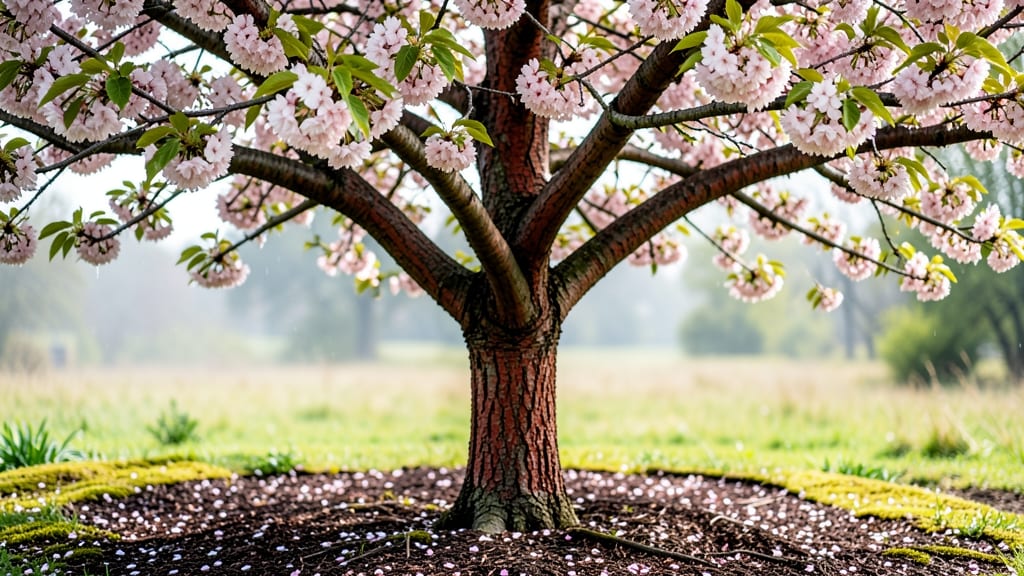
When a gardener prunes trees, the goal is to maintain their health by removing dead or diseased branches, improving structural balance, and increasing airflow—using sharp tools during late winter or early spring for optimal results.
Pruning isn't just about cutting branches—it's about giving your trees the best chance to thrive. 🌳 The right timing and technique prevent stress while promoting new growth. For example, removing crossing branches reduces the risk of splits, while thinning the canopy helps sunlight reach the lower limbs.
I always recommend starting with a thorough inspection to spot hidden issues like fungal infections or pest damage before making any cuts.
Another key factor is tool selection: bypass pruners work well for small branches, while a pruning saw handles thicker limbs. Safety gear like gloves and goggles protects you from debris and sap splatter.
Remember, proper pruning can extend a tree's lifespan by up to 30 years while keeping your yard safer and more beautiful.
💡 In This Article
- How to Identify Healthy vs Unhealthy Tree Branches
- Step-by-Step Tree Pruning Tools and Safety Gear
How to identify healthy vs unhealthy tree branches
Understanding tree physiology helps explain why certain branches threaten a tree's health. Deadwood, for instance, can't transport nutrients or water, creating entry points for pests and diseases. Look for branches with brittle, dry bark that snaps easily—these are often already dead.
Crossing branches create friction points where bark tears, exposing the tree to infections. Water sprouts (fast-growing vertical shoots) steal energy from the main structure, weakening growth. 🌿
Disease symptoms often appear as unusual discoloration or unusual growth patterns. Fungal infections show up as black, crusty cankers on the bark or white, powdery mold on leaves. Leaf spots or premature leaf drop are red flags for bacterial or viral issues.
Seasonal changes matter too—trees in dormancy (late winter) reveal hidden problems since they've lost their leaves. For example, a maple tree with yellowing leaves in late winter may indicate nutrient deficiencies or root damage.
The science behind this involves a tree's vascular system. When branches are removed properly, the tree can redirect its energy to healthier limbs. Studies show that 20-30% of a tree's energy goes toward maintaining dead or diseased branches—energy that could fuel fruit production or new growth.
Thinning the canopy by 10-20% increases sunlight penetration, which boosts photosynthesis in lower limbs. This is why professional arborists emphasize "selective pruning" over aggressive cutting.
Don't overlook subtle signs like epinasty (downward leaf curling) or dieback (dead areas at branch tips). These indicate stress from poor pruning or environmental factors. For example, a sudden cold snap can cause frost cracks in bark, which look like jagged tears.
Always compare both sides of the branch—healthy tissue should be greenish-white inside, while diseased wood turns brown or black. 🌱
Timing your inspection matters too. Early spring reveals winter damage, while late summer shows signs of overwatering or nutrient deficiencies. For instance, oozing sap from cuts means you pruned too late in the season, when the tree was already preparing for dormancy.
The key is to prune when the tree is actively growing but before new buds form—typically February to April in most climates.
Consider this comparison: A healthy oak branch has smooth bark, vibrant green leaves, and a firm texture when tapped. An unhealthy branch might have peeling bark, yellowing leaves, or a hollow sound when knocked.
The difference isn't always obvious—some diseases like honey fungus hide beneath the bark until it's too late. That's why regular inspections (every 2-3 months) catch problems early.