
How To
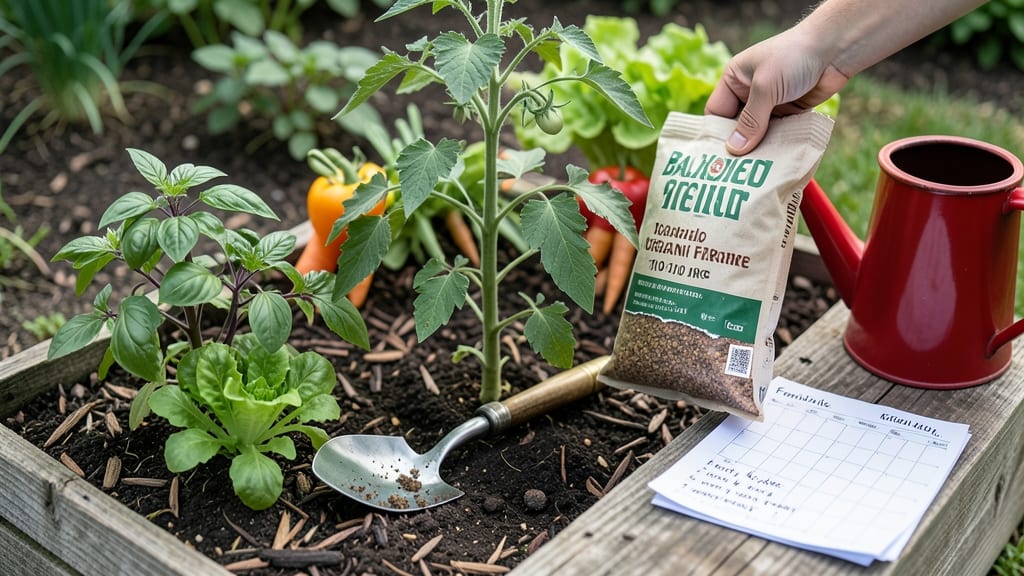
Fertilizing your vegetable garden too often or too little can leave you staring at stunted plants instead of a bountiful harvest 🥬 — the key is matching your schedule to your soil type and crop needs.
Picture this: you’ve spent weeks nurturing your garden, only to watch your tomatoes struggle or your lettuce bolt prematurely. The culprit? A fertilization routine that doesn’t sync with your soil’s hunger or the plants’ growth stages. Overdo it, and you’ll burn roots; skip it, and nutrients get left behind.
This isn’t just about dumping fertilizer every few weeks—it’s about reading your soil, knowing when your greens crave nitrogen and when your fruiting plants need phosphorus, and adjusting for sandy soil that drains fast or clay that holds nutrients too tightly.
Below, I’ll break down the exact schedule for your soil type, plus how to spot when your garden is begging for a boost (or screaming for a break). No guesswork, just science-backed timing for the harvest you’ve been dreaming of.

Soil-type fertilization frequency chart for vegetable gardens
Your vegetable garden’s soil type determines how often—and how much—you should fertilize. Clay soil holds nutrients tightly, while sandy soil drains them quickly, and loamy soil strikes the perfect balance. Even silty soil, often overlooked, has unique needs.
Matching your fertilization schedule to your soil type ensures plants get nutrients when they need them most, not too early or too late.
Seasonal adjustments are just as critical. Spring and early summer are prime times for feeding, but late summer and fall require lighter touches. Organic fertilizers like compost or manure release nutrients slowly, while synthetic fertilizers provide an immediate boost.
Let’s break down the best approach for each soil type to maximize your harvest.
🌱
| Soil Type | Organic Fertilizer Frequency | Synthetic Fertilizer Frequency | Best Season to Feed | Key Adjustments |
|---|---|---|---|---|
| Clay | Every 6-8 weeks | Every 4-6 weeks | Spring & Early Summer | Light applications; avoid compaction |
| Sandy | Every 3-4 weeks | Every 3-4 weeks | Spring & Summer | Use mulch to retain moisture |
| Loamy | Every 4-6 weeks | Every 4-6 weeks | Spring, Summer, Early Fall | Balanced NPK ratio recommended |
| Silty | Every 5-7 weeks | Every 5-6 weeks | Spring & Early Summer | Monitor for waterlogging |
For clay soil, nutrients linger but can become inaccessible to roots. I recommend organic fertilizers like composted manure or worm castings every 6-8 weeks in spring and early summer.
If you prefer synthetics, opt for a slow-release formula every 4-6 weeks to prevent nutrient runoff. Sandy soil, on the other hand, drains nutrients quickly, so I fertilize more frequently—every 3-4 weeks—using a balanced NPK fertilizer like 10-10-10.
Loamy soil is the gold standard, but even it needs attention.
I feed my loamy garden every 4-6 weeks with either organic compost or a liquid synthetic fertilizer during the growing season. Silty soil falls somewhere between clay and loam, so I adjust my schedule to every 5-7 weeks for organics and every 5-6 weeks for synthetics, focusing on spring and early summer when plants are most active.
Seasonal timing matters just as much as soil type. In spring, when plants are establishing roots, I prioritize nitrogen-rich fertilizers like blood meal or a 10-10-10 blend.
By late summer, I switch to potassium-heavy fertilizers (like greensand) to help plants prepare for harvest and cold weather. Fall fertilization should be light—just enough to support late-season crops like kale or Brussels sprouts.
Over-fertilizing is a common mistake, especially in clay or silty soils. Signs include yellowing leaves, stunted growth, or even burnt foliage. If you notice these, flush the soil with water and cut back on fertilizer for a few weeks.
For sandy soil, under-fertilizing is more likely, so I test soil moisture and nutrient levels regularly to avoid deficiencies.
Organic fertilizers like compost, fish emulsion, or bone meal are my go-to for most gardens because they improve soil structure over time. However, synthetics like Miracle-Gro or Osmoote provide quick results for leafy greens or fast-growing crops like radishes.
I often mix both—using synthetics for a quick boost and organics to build long-term soil health.
🌿
Pro tip: Pair your fertilization schedule with mulching. A 2-3 inch layer of straw or wood chips helps retain moisture in sandy soil and prevents compaction in clay soil. I also recommend soil testing every 1-2 years to track nutrient levels and adjust my plan accordingly.
This simple step saves me from guessing and ensures my vegetables get exactly what they need.
Remember, every garden is unique. If your plants look healthy but sluggish, it might be time to tweak your fertilizer type or frequency. And if you’re new to gardening, start with
Signs your vegetable garden needs fertilizer (and when to adjust)
Your vegetable garden might be silently screaming for help—even if it doesn’t look like it. Yellowing leaves, stunted growth, or sparse harvests often signal nutrient deficiencies, but they can also mean over-fertilization.
The key is learning to read your plants' visual cues and adjusting your fertilization schedule before problems spiral out of control.
Start by checking the leaf color and growth rate of your plants. Healthy vegetables like tomatoes and peppers should have deep green leaves and steady growth.
If you notice pale yellow leaves (a classic nitrogen deficiency sign) or crispy brown edges (often calcium or potassium issues), it’s time to reassess your soil’s nutrient levels.
Another red flag? Slow growth despite adequate water and sunlight. If your seedlings aren’t sprouting quickly or mature plants aren’t producing, your soil may lack essential nutrients. Even worse, white crust on the soil surface or burnt leaf tips indicate over-fertilization, which can damage roots and reduce yields.
⚠️ How Often to Fertilize Your Vegetable Garden
Most vegetable gardens thrive with fertilization every 4-6 weeks during the growing season (spring to early fall). However, soil type and plant type dictate adjustments:
- Clay soil: Fertilize every 3-4 weeks—it retains nutrients longer but drains poorly.
- Sandy soil: Fertilize every 2-3 weeks—nutrients wash out quickly.
- Loamy soil: Follow the 4-6 week rule—it’s balanced and ideal for most veggies.
Pro Tip: Always water before fertilizing to prevent root burn.
To diagnose the issue, perform a simple soil test (kits are affordable and available at garden centers). This will reveal pH imbalances or nutrient deficiencies. For example, tomatoes prefer a pH of 6.0–6.8, while blueberries need acidic soil (4.5–5.5).
If your test shows low organic matter, amend the soil with compost or aged manure before reapplying fertilizer.
Recalibrating your schedule is easier than you think. If your plants show signs of under-fertilization, switch to a balanced fertilizer (like 10-10-10) and apply it every 4 weeks.
For over-fertilized plants, flush the soil with water to leach excess salts, then hold off on fertilizing for 6–8 weeks while you monitor recovery.
Remember, less is often more—especially with synthetic fertilizers. Organic options like fish emulsion or bone meal release nutrients slowly, reducing the risk of overdoing it. Pay attention to your garden’s responses, and you’ll find the perfect balance for peak yields without wasting resources.