
Plants
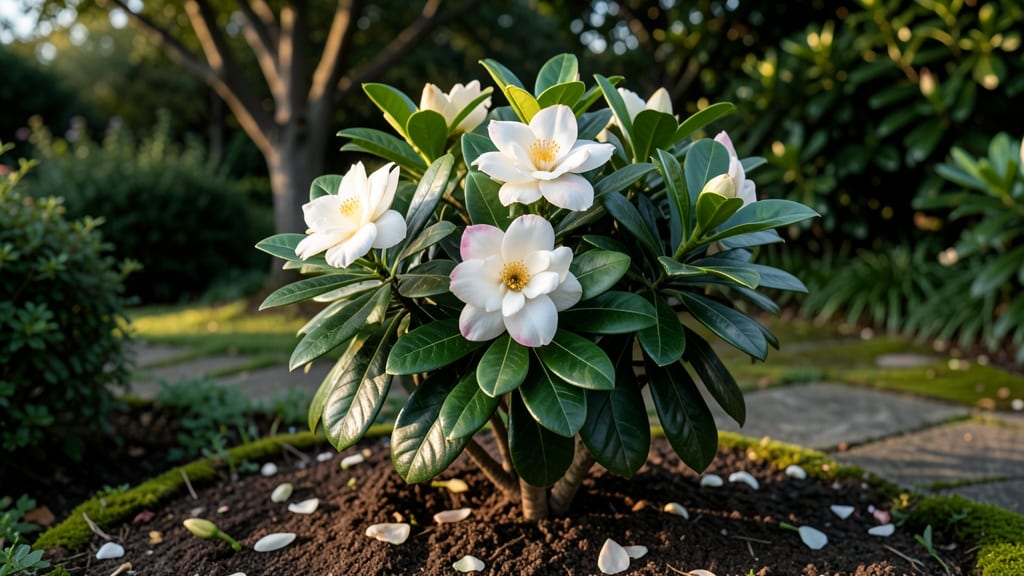
Gardenia plants thrive in partial shade with morning sun and afternoon shade 🌸 — the key to those fragrant blooms you love.
Struggling to keep your gardenia blooming? Too much direct sun can scorch the leaves, while too much shade stunts growth and weakens fragrance. The sweet spot is 4-6 hours of filtered light daily, but regional climates change the game.
In warmer zones like Florida, gardenias handle more shade, while cooler areas like Zone 6a need extra morning sun to trigger blooming. The trick is watching the leaves: yellowing means too much sun, while sparse blooms signal too little.
Below, I’ll break down how to adjust light exposure by season, spot signs of stress, and pick the best spot—whether you’re in a sun-drenched patio or a shady corner. Your gardenia’s next burst of scent starts here.
 Best Window Placement
Optimal sunlight requirements for gardenia plants to bloom
Gardenia plants thrive on a delicate balance of sunlight—too much scorches their leaves, while too little stunts their fragrant blooms. As a gardener who’s nurtured these tropical beauties for years, I’ve learned their ideal conditions: 4-6 hours of morning sun followed by afternoon shade.
This balance mimics their native understory habitats in Southeast Asia, where dappled light filters through taller trees.
The key lies in understanding how sunlight impacts their photosynthesis process. Gardenias need enough light to produce energy but struggle with the intense UV rays of afternoon sun, which can cause leaf burn.
Their glossy leaves act like solar panels—efficient but sensitive to overheating. When grown in containers, this becomes even more critical since they can’t escape harsh light like in-ground plants.
Here’s the science: Gardenias produce more floral buds when exposed to consistent morning light, which triggers their natural blooming cycle. The chlorophyll in their leaves absorbs blue and red light spectrums most efficiently during cooler morning hours. Afternoon shade prevents stress that would otherwise divert energy away from flower production.
Your climate zone plays a huge role in determining the right balance. In USDA Zones 8-10, gardenias can handle more direct sun with afternoon shade, while cooler zones (6-7) need gentler light conditions.
For example, in Zone 9, I’ve seen gardenias flourish with 5 hours of morning sun and 1 hour of afternoon shade, whereas in Zone 7, they prefer only 3-4 hours total.
Now let’s break down the perfect light conditions in a comparison table to help you visualize the ideal setup for your gardenia’s location:
| Light Condition | Sunlight Hours | Best For | Climate Zones | Bloom Impact |
|---|---|---|---|---|
| Morning Sun + Afternoon Shade | 4-6 hours (6 AM-12 PM) | Ideal for all gardenias | Zones 6-10 | Maximizes blooms |
| Dappled Light (Filtering) | 3-4 hours (indirect) | Young plants or containers | Zones 6-7 | Moderate blooms |
| Full Sun (No Shade) | 6+ hours (all day) | Avoid (except Zone 10) | Zones 8-10 (with caution) | Risk of leaf burn |
| Deep Shade (No Sun) | 0-2 hours | Avoid (unless variegated) | All zones | Minimal to no blooms |
For gardeners in hotter climates (Zones 9-10), you can push the envelope slightly by providing afternoon shade using sheer curtains or lattice screens. I’ve used 50% shade cloth in my Zone 9 garden with great success—it filters about 30% of sunlight while still allowing enough light for photosynthesis.
In cooler zones (6-7), focus on east-facing windows or protected patios where morning sun is gentle.
If you’re growing gardenias in containers, their light needs become even more critical. Pots heat up faster and offer less insulation, so I recommend placing them on elevated stands or under patio umbrellas during peak afternoon hours.
A trick I use is to rotate containers every few weeks to ensure even light exposure—this prevents one side from becoming leggy while the other stays compact.
Pro tip: Observe your gardenia’s leaves for color changes. Healthy leaves should be deep green with a slight gloss. If they turn yellow or brown at the edges, it’s a sign of too much sun.
Conversely, pale, weak growth indicates insufficient light. Adjust your setup gradually—sudden changes can shock the plant and reduce blooming potential.
Remember, gardenias are light-sensitive during their blooming season (spring to early summer). If you notice buds forming but not opening, it’s often a sign they’re not getting enough light.
In such cases, I’ve had success moving plants to a sunnier spot for 2-3 hours daily while still protecting them from harsh afternoon rays.
For those in urban environments, gardenias can thrive near east or north-facing buildings where morning light dominates. South-facing walls can work too, but only if you provide afternoon shade. I’ve even grown gardenias successfully under large trees with sparse canopies, where they receive filtered light year-round.
🌸
Signs your gardenia isn’t getting the right light (and how to fix it)
If your gardenia plant is struggling with pale leaves or fewer blooms than usual, light exposure is likely the culprit. Gardenias thrive in bright indirect light, but too much sun or too little can send your plant into distress.
I’ve seen gardeners miss subtle clues that their plant isn’t getting the perfect balance—until it’s too late for the blooming season.
One of the first signs your gardenia isn’t happy with its light is yellowing leaves, especially on the older foliage. This often means it’s getting too much direct sunlight, causing leaf scorch.
On the flip side, if leaves turn dark green and sparse, your plant may be stretched out, reaching for more light. Both scenarios disrupt the photosynthesis process and weaken the plant’s ability to produce those signature fragrant blooms.
⚠️ Light Shock Warning for Gardenias
Gardenias are sensitive to sudden light changes. Moving a potted gardenia from indoor shade to full afternoon sun can cause leaf burn within days. If you’re relocating your plant, acclimate it gradually over 7-10 days by increasing sunlight exposure by 1 hour daily. Avoid placing gardenias in west-facing windows—the intense late-afternoon sun is especially damaging.
🌿 Pro Tip: Test your gardenia’s light spot by placing a white sheet of paper on the soil for an hour. If it’s too bright, the paper will show visible shadows—time to move it!
Another red flag is leaf drop, particularly if it happens suddenly. This often occurs when gardenias are transitioning from indoor to outdoor environments. The shock of harsh outdoor light or drafty conditions can cause leaves to yellow and fall off.
To prevent this, harden off your gardenia by placing it outside for 2-3 hours daily before moving it permanently.
If your gardenia is blooming sparsely or producing small, weak flowers, it’s likely not getting enough light. Gardenias need 4-6 hours of bright indirect light daily to trigger blooming. In low-light conditions, the plant focuses energy on leaf growth rather than flower production.
Try moving your gardenia to a south-facing window with a sheer curtain or to a spot under a dappled shade tree.
For gardenias in outdoor landscapes, watch for brown leaf edges or crispy foliage—classic signs of over-exposure to afternoon sun. In hot climates, even morning sun can be too intense.
My solution? Plant gardenias near tall shrubs or trees that provide filtering shade during peak sun hours (11 AM–3 PM). This mimics their natural understory habitat in tropical forests.
To fix light-related issues, start by observing your gardenia’s current location for a full day. Note when the light shifts from soft morning rays to harsh afternoon glare. If your gardenia is in a container, rotate it quarter-turns weekly to ensure even light exposure.
For in-ground plants, consider pruning nearby trees to create a partial shade canopy. With the right light balance, your gardenia will reward you with lush foliage and intoxicating blooms all season long.