
Size
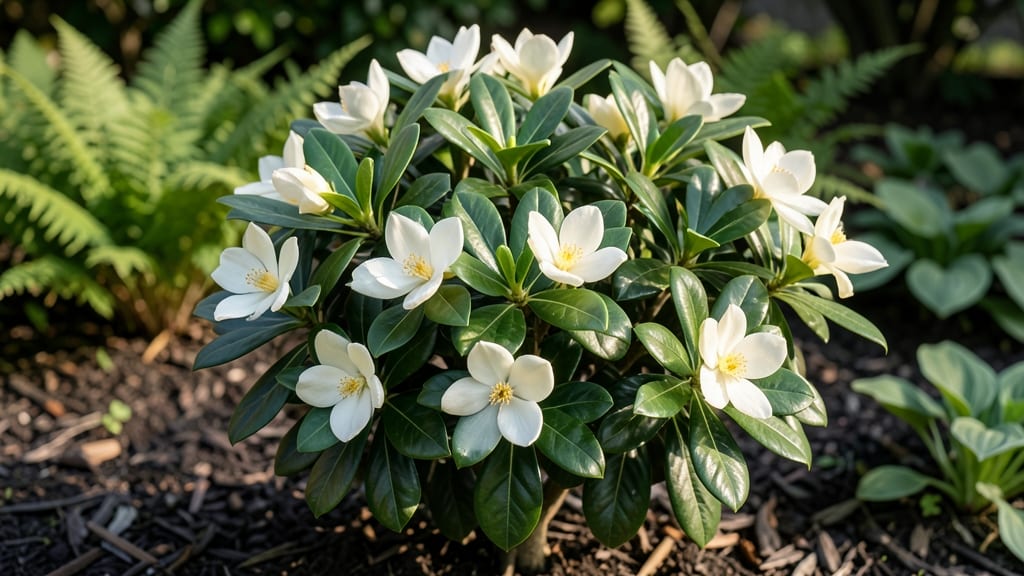
Knowing the gardenia shrub size you’re working with is the difference between a fragrant, well-placed beauty and a towering eyesore that crowds out your garden’s best features.
Picture this: you’ve just planted a 🌸 gardenia in your yard, dreaming of its intoxicating blooms and glossy leaves, only to realize in a year that it’s twice the size you expected.
That’s why understanding how tall and wide gardenias grow—from dwarf varieties to towering standards—isn’t just helpful, it’s essential for planning your space.
Most gardenias mature between 3 and 6 feet tall and spread 3 to 5 feet wide, but the variety you choose makes all the difference. Some stay compact enough for containers, while others need room to stretch their branches.
Pruning, soil, and sunlight all play a role in keeping them in check—or letting them grow wild.
In this guide, I’ll break down the size ranges of popular gardenia types, share pruning tips to control their growth, and help you avoid common mistakes that turn your shrub into a space hog.
By the end, you’ll know exactly how to keep your gardenia at the perfect height for your garden—or your patio.


Gardenia shrub size by variety: mature height and spread ranges
Choosing the right gardenia variety depends heavily on your space and design goals. These tropical shrubs can range from compact 2-foot dwarfs to towering 6-foot giants, each with distinct growth habits. Understanding these differences helps you select the perfect fit for your garden beds, containers, or landscape features.
Most gardenias belong to the Gardenia jasminoides species, but even within this group, sizes vary dramatically. For example, the Radicans variety stays low and spreading, while Kleim's Hardy reaches impressive heights. Let’s explore the key varieties and their mature dimensions to make your selection easier.
| Variety | Mature Height | Mature Spread | Growth Rate | Best For |
|---|---|---|---|---|
| Radicans | 2–3 ft | 3–4 ft | Slow to moderate | Containers, borders, hedges |
| Kleim's Hardy | 5–6 ft | 4–5 ft | Moderate | Privacy screens, focal points |
| Fortuniana | 3–4 ft | 3–4 ft | Slow | Small gardens, patio plantings |
| Veitchii | 4–5 ft | 3–4 ft | Moderate | Shade gardens, woodland areas |
| Augusta | 6–8 ft | 5–6 ft | Fast | Large landscapes, tropical settings |
The Radicans variety is ideal for small spaces or containers, rarely exceeding 3 feet in height. Its wide spread makes it perfect for borders or cascading over walls.
In contrast, the Augusta variety can become a small tree, reaching 8 feet tall and wide—ideal for tropical gardens or as a dramatic focal point.
If you’re growing gardenias in containers, choose dwarf varieties like Radicans or Fortuniana to keep them manageable. Container-grown gardenias may stay slightly smaller than their in-ground counterparts, but they still require regular pruning to control size and shape.
For gardeners in USDA Zones 7–10, most gardenia varieties thrive outdoors year-round. However, in cooler climates, even hardy types like Kleim's Hardy may need winter protection, which can slightly stunt growth. Always check your local climate conditions when selecting a variety.
Pruning plays a major role in controlling gardenia size. Regular trimming encourages bushier growth and prevents leggy stems. For example, Veitchii benefits from light pruning to maintain its compact form, while Augusta may need aggressive pruning to keep it from becoming unruly.
When planning your garden layout, account for the mature spread of each variety. A 5-foot spread means you’ll need at least 6 feet of space between plants to allow for airflow and prevent disease.
This is especially important for varieties like Augusta, which can become dense and require ample room.
For indoor cultivation, stick to dwarf varieties in large pots. Even then, gardenias grown indoors may not reach their full outdoor potential due to limited light and space. Supplement with grow lights if needed to support healthy growth and blooming.
Remember, gardenia size isn’t set in stone—proper care can influence growth habits. With the right variety and maintenance, you can enjoy fragrant blooms in any space, from tiny balconies to sprawling estates.
How to control gardenia shrub size through pruning for dense blooms
Pruning your gardenia shrub isn't just about keeping it neat—it's the secret to encouraging thicker growth and more blooms. Without proper pruning, these tropical beauties can become leggy and sparse. The key is timing, technique, and knowing which cuts to make for your desired size.
Whether you want a compact gardenia for containers or a taller specimen for borders, mastering these steps will transform your plant into a fragrant, bushy masterpiece.
Before you grab your shears, remember that gardenias bloom on new wood, meaning they produce flowers on current year's growth. This makes them more forgiving than some shrubs, but it also means over-pruning can reduce blooms.
The goal is to shape without sacrificing flowers, and the right approach will keep your gardenia thriving for years. Let's dive into the step-by-step process to achieve that perfect balance of size and blooms.
⚠️ STEP-LIST: PRUNING GARDENIAS FOR SIZE CONTROL
For container gardenias, you'll want to prune more aggressively to maintain their compact size. Trim back up to 1/2 of the plant's height in early summer, and pinch new growth regularly throughout the growing season.
This keeps them manageable for patio planters while still encouraging abundant blooms. Just be sure to water thoroughly after pruning to help the plant recover.
If your gardenia is already too large for its space, don't panic—you can still reshape it. Start by cutting back the longest branches first, then focus on thinning out the interior. Avoid cutting more than 1/3 of the plant's total volume in a single session to prevent shock.
With patience, your gardenia will regain its shape and start producing those coveted white blooms once again.
Remember, the key to successful pruning is consistency. A little maintenance every year will keep your gardenia at your desired size while ensuring it stays healthy and blooms profusely.
With these techniques, you'll enjoy a fragrant, bushy gardenia that fits perfectly in your garden—whether it's a small patio container or a backyard border. Happy pruning! ✂️🌸