
Landscaping
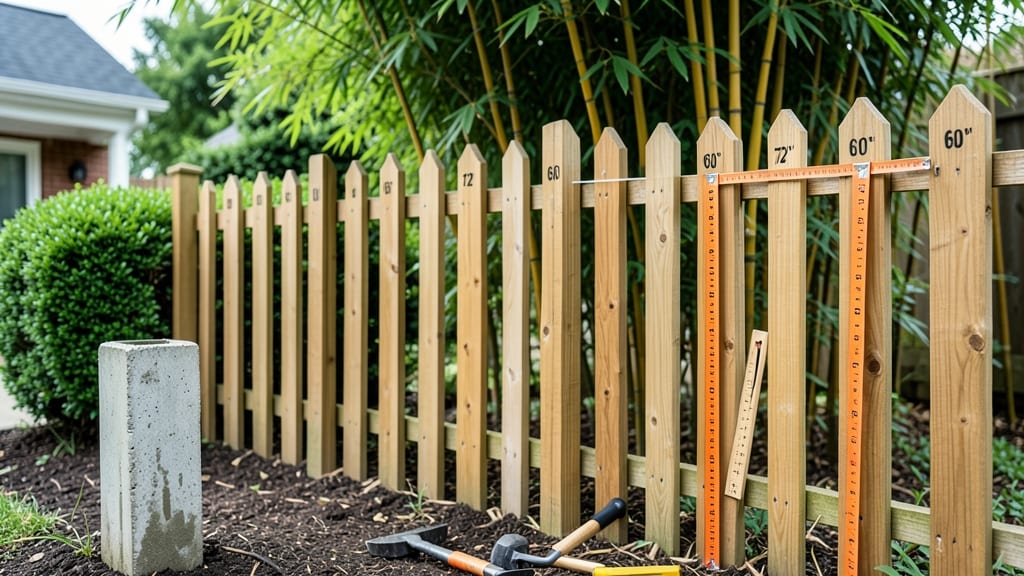
Determining how high a garden fence should be depends on local regulations and your privacy needs, with most residential properties falling between 4 to 6 feet—always verify zoning laws before installation. Materials like wood, vinyl, or metal offer durability while meeting height restrictions.
Local ordinances often set maximum fence heights—some cities cap residential fences at 4 feet in front yards to maintain visibility, while backyards may allow up to 6 feet for privacy.
Rural areas might have fewer restrictions, but HOAs or neighborhood covenants can impose stricter limits. 🌳 I’ve seen 6-foot fences work beautifully for blocking views while keeping pets secure, but always confirm with your local building department first—some areas even require permits for heights over 3 feet.
Beyond regulations, your choice should balance function and aesthetics. A 4-foot fence suits decorative purposes or low-maintenance yards, while a 6-foot barrier excels for noise reduction or complete seclusion. Wood fences offer classic charm but need regular upkeep, whereas vinyl or metal provide low-maintenance longevity.
For sloped yards, consider staggered heights to preserve natural drainage while meeting height goals.
💡 In This Article
- Local Building Codes for Garden Fence Heights
- Choosing the Best Fence Height for Privacy and Aesthetics
Local building codes for garden fence heights
Local regulations typically divide fence height limits by property location—front yards often face stricter rules than backyards. For example, many suburban cities enforce a 4-foot maximum in front yards to preserve pedestrian visibility and maintain neighborhood aesthetics, while backyards may allow 6-foot fences for privacy.
Rural areas frequently have fewer restrictions, but always verify county ordinances, as some permit up to 8-foot fences for agricultural or livestock purposes.
The enforcement process varies: some cities require permits for any fence over 3 feet, while others only mandate approval for heights exceeding 5 feet. Homeowners associations (HOAs) often add another layer, specifying materials and colors alongside height limits.
For instance, a 6-foot wooden fence might be permitted in a backyard but rejected in a front yard due to HOA design guidelines. Always check with your local building department before installation—some areas even require site inspections to ensure compliance.
Exceptions exist for decorative or agricultural fencing. Temporary fences (like those for construction) might have different height allowances, and some rural zones permit taller fences for livestock containment without the same aesthetic restrictions as residential areas.
The key is understanding whether your property falls under municipal, county, or private HOA jurisdiction—each may interpret height limits differently.
What most people overlook is how these codes interact with property lines. Some ordinances require fences to sit at least 5 feet from property boundaries, which can affect both height and placement.
For example, a 6-foot fence might be legal in your backyard but violate setback rules if installed too close to a neighbor’s property. Always review your local zoning map before finalizing plans—many cities provide these documents online for free.
Permit requirements add another variable. In cities like Los Angeles, a permit costs around $50-$150 and must be filed before installation, while rural counties may waive fees for heights under 6 feet. The application process typically includes a site plan showing fence location, height, and materials.
Delays can occur if your proposal doesn’t align with existing neighborhood standards, so factor in 30-60 days for approval before scheduling installation.
Here’s what to watch for when researching local codes:
- Front yard limits: Often 3-4 feet maximum to maintain visibility
- Backyard limits: Typically 6 feet for privacy
- Side yard limits: May match front or backyard rules, depending on local ordinances
- Permit fees: Vary by location ($50-$300 range)
- Inspection requirements: Some areas mandate post-installation checks
For example, in Austin, Texas, front yard fences are capped at 4 feet, while backyards allow 6 feet—but HOAs in nearby neighborhoods might enforce 5-foot maximums regardless of city codes. Always confirm with both your local building department and any applicable HOA before making decisions. 🏡