
Planting
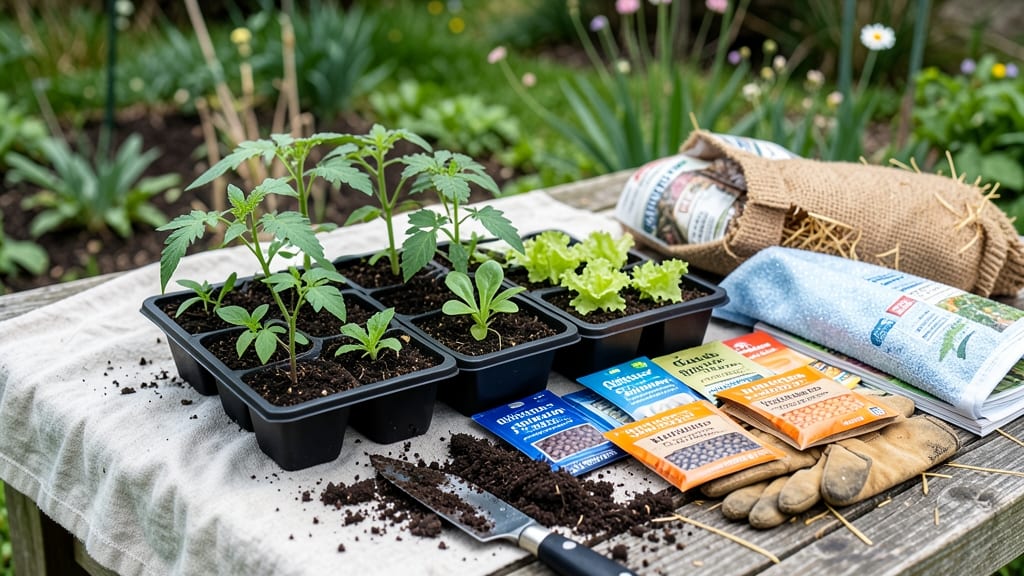
Planting a garden in Michigan at the right time means the difference between a bountiful harvest and a sad pile of frost-nipped seedlings.
Michigan’s Zone 5a-6b climate throws curveballs—late frosts can linger into May, while early heatwaves arrive by July. Get the timing wrong, and you’ll either be shivering through a 6-week delay or watching your tomatoes bolt before they ripen.
But here’s the good news: with a few key deadlines and region-specific tricks, you can turn Michigan’s short growing season into your advantage.
Whether you’re sowing peas in March or transplanting peppers in June, we’ll break down the exact windows for cool-season crops and warm-season staples—plus how to stretch your harvest into October.
Skip the guesswork and learn how to align your planting with Michigan’s frost dates, soil temps, and even moon phases for maximum success. Your future self (and your dinner plate) will thank you.
Michigan Zone 4b planting calendar: exact dates for spring and fall crops
Michigan's Zone 4b climate means your planting window is short but sweet—about 140-180 frost-free days per year. To avoid late spring frosts or early fall freezes, timing is everything.
I've broken down the exact planting deadlines for both cool-season crops (like spinach and peas) and warm-season crops (like tomatoes and peppers) to help you maximize your harvest.
Your last frost date typically falls between May 10-20, while the first frost arrives around September 20-October 10. These dates vary slightly depending on whether you're in southern Michigan (like Detroit) or the Upper Peninsula, so always check your local Almanac frost dates for precision.
For now, let's focus on the general planting calendar that works for most of Zone 4b.
Here’s a quick reference for your spring planting timeline:
For spring planting, start with cool-season crops like spinach and peas in early March if you're using a high tunnel or cold frame. These can handle light frosts and even thrive in cooler temps.
Once your last frost date passes (usually mid-May), switch to warm-season crops like tomatoes and peppers, which need consistent warmth to grow.
If you're growing heat-loving crops like okra or sweet potatoes, wait until late May to plant, as they require soil temps above 60°F. I’ve found that using black plastic mulch can warm the soil by 5-10°F, giving these crops a head start in Michigan’s cool climate.
Don’t forget about fall planting—it’s just as important as spring! Start cool-season crops like broccoli and carrots in mid-July for a harvest before frost. These crops can handle cooler temps and often taste sweeter after a light frost.
For succession planting, try sowing radishes or lettuce every 2-3 weeks from April through July to ensure a continuous harvest.
Pro tip: Use row covers or cloches to extend your spring planting window by 2-4 weeks. I’ve successfully grown cabbage and cauliflower in early April with these protective layers. Just remember to remove them during the day when temps rise above 70°F to prevent overheating.
For herbs, most can be planted in early spring (like parsley and cilantro) or late summer (like basil and dill). Basil, in particular, loves warm soil and should wait until after Memorial Day to avoid frost damage.
I’ve also had great success with perennial herbs like thyme and oregano, which can be planted in early spring and thrive year after year.
Finally, keep an eye on your local weather forecasts
How to adjust planting dates for Michigan’s unpredictable weather patterns
Michigan’s Zone 4b climate throws curveballs—one week of warm sunshine can turn into a late frost overnight. As a gardener who’s lost entire tomato seedlings to April freezes, I’ve learned to play it smart.
The key isn’t following a rigid calendar but adapting to microclimates and using proven strategies to shield your plants from Mother Nature’s whims.
Start by checking your local frost dates—they vary wildly across Michigan. Southern Detroit gardens might see their last frost by April 15th, while Upper Peninsula areas can wait until May 10th or later.
Use the Michigan State University Extension frost map as your baseline, then adjust based on your yard’s specific conditions.
⚠️ CALL OUT WARNING ⚠️
For cold-hardy crops like kale or spinach, I recommend planting 4-6 weeks before your last frost date. These cool-season vegetables thrive when temps hover between 40°F and 75°F. Use row covers or cold frames to extend their season into early spring or late fall. I’ve successfully grown baby lettuce in October by covering beds with floating row covers—just remove them during the day to prevent overheating.
When dealing with heatwaves or sudden temperature drops, focus on soil warming and microclimate selection. In my rural garden, I use black plastic mulch to raise soil temps by 10-15°F for warm-season crops.
For urban gardeners, south-facing walls or rooftop gardens create natural heat pockets. If you’re in a shady microclimate, opt for shade-tolerant varieties like Swiss chard or bush beans instead of sun-lovers like cucumbers.
Another trick I swear by is succession planting with fast-maturing crops. Plant radishes every 2 weeks from April to July—they mature in just 25 days and give you a harvest buffer if a frost sneaks in.
For longer-season crops like broccoli, start seeds indoors 6-8 weeks before your last frost date to give them a head start. My 2022 broccoli survived a May frost because I hardened off 6-inch seedlings before transplanting.
Don’t forget about fall planting—it’s a Michigan gardener’s secret weapon. Spinach, carrots, and garlic planted in late August can overwinter and produce early spring harvests.
Just aim to get seeds in 6-8 weeks before your first frost. I’ve had overwintered onions emerge in March, ready to harvest by May—beating the summer heat entirely.