
Flowers
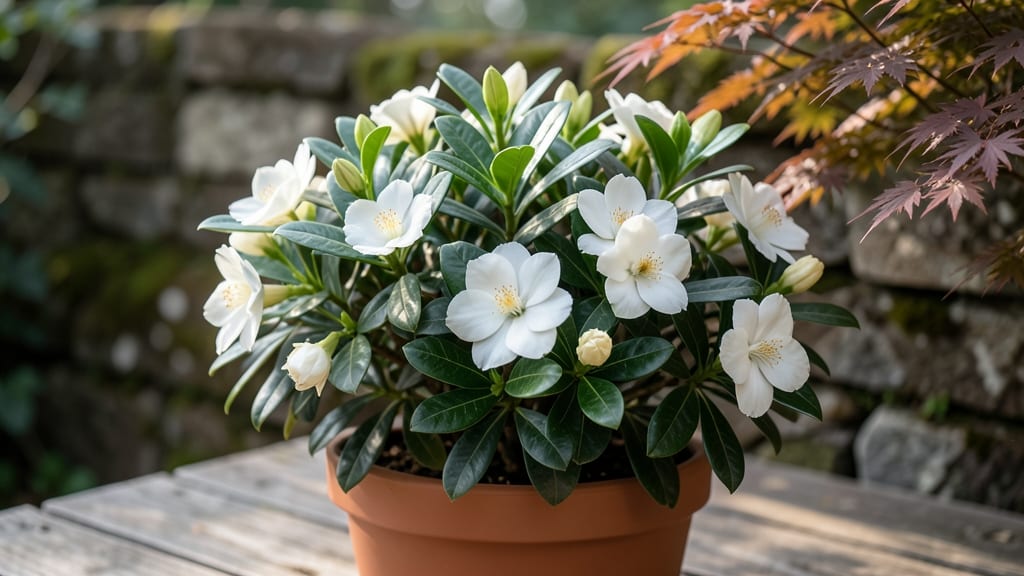
A gardenia flower lasts about 5–7 days per bloom when cared for properly, but with the right tricks, you can stretch that to weeks or even months—turning your garden into a fragrant paradise.
If you’ve ever admired gardenias’ intoxicating fragrance and velvety blooms, you know their fleeting beauty can be frustrating—especially when they drop too soon. But the secret isn’t just luck; it’s about understanding their needs and timing care perfectly.
From pruning at the right time to keeping soil acidic and watering just enough, small adjustments can make a huge difference in how long those 🌸 blooms stay vibrant. Whether you’re in USDA Zone 6a or warmer, these tips will help you coax longer flowering seasons.
Below, I’ll break down the natural lifespan of gardenia blooms, share 5 proven techniques to extend their beauty, and reveal the best pruning times to keep your garden smelling like spring all year.
Natural lifespan of gardenia flowers: how long they typically bloom before dropping
Understanding how long gardenia flowers last helps you set realistic expectations and troubleshoot issues. On average, a single gardenia bloom lasts 5 to 7 days under ideal conditions, but the overall flowering season can stretch from 2 weeks in cooler climates to 6+ weeks in warm, tropical zones.
This variation depends on genetics, care practices, and environmental factors like temperature and humidity.
Gardenia flowers follow a natural cycle where each bloom opens fully in the morning and wilts by evening—a daily rhythm that’s part of their biological design. However, the total number of blooms per season varies widely.
Mature gardenias in USDA Zones 8-11 often produce flowers continuously from spring through fall, while those in cooler zones (6-7) may only bloom for 3-4 weeks in late spring or early summer.
Climate plays a critical role. In humid, subtropical climates, gardenias can rebloom quickly after dropping spent flowers, creating a near-continuous display. Meanwhile, in drier or cooler regions, blooms may last longer individually but appear less frequently.
For example, a gardenia in Florida’s heat might produce 3-4 blooms per week, while one in California’s coastal fog could have just 1-2 blooms lasting 10 days each.
| Factor | Effect on Bloom Lifespan | Ideal Conditions |
|---|---|---|
| Climate Zone | Zones 8-11: 6+ weeks of blooms; Zones 6-7: 2-4 weeks | Humidity: 50-70%; Temp: 65-85°F |
| Plant Age | Young plants: 3-5 blooms/season; Mature: 20+ blooms/season | 3+ years old for full blooming potential |
| Season | Spring/Summer: Longer individual blooms; Fall/Winter: Shorter or no blooms | Prune after spring blooming to encourage reblooming |
| Care Practices | Poor care: 2-3 days; Optimal care: 7-10 days per bloom | Acidic soil (pH 5.0-6.5), consistent moisture, deadheading |
| Stress Factors | Pests/disease: 1-2 days; Nutrient deficiency: 3-5 days | Monitor for aphids, spider mites, and yellowing leaves |
Plant age significantly impacts bloom duration. Young gardenias (under 2 years old) often produce fewer blooms that last only 3-5 days each. In contrast, mature plants (3+ years) can support 20+ blooms per season, each lasting 7-10 days if conditions are ideal.
This is because mature plants have established root systems that can sustain the energy demands of continuous flowering.
Seasonal timing also dictates bloom longevity. Gardenias typically peak in late spring to early summer, when days are long and temperatures are moderate. During this period, blooms often last their full 5-7 days.
However, in late summer or early fall, blooms may drop sooner (3-5 days) as the plant prepares for dormancy. In winter, most gardenias in cooler zones stop blooming entirely, though tropical varieties may produce occasional flowers.
Premature flower drop is a common frustration, and it’s usually a sign of stress or poor care. Common culprits include nutrient deficiencies (especially iron or phosphorus), pests like aphids or spider mites, or sudden environmental changes (e.g., temperature swings, drought stress).
If you notice buds forming but dropping before opening, check for yellowing leaves (chlorosis) or sticky residue on stems (sap-sucking insects).
Soil pH is another critical factor. Gardenias thrive in acidic soil (pH 5.0-6.5). If your soil is too alkaline (pH 7.0+), the plant struggles to absorb essential nutrients like iron, leading to weak blooms that drop early.
Test your soil annually and amend with peat moss or sulfur if needed. Even a slight pH imbalance can reduce bloom lifespan by 30-50%.
Light exposure affects both bloom quantity and duration. Gardenias need 4-6 hours of morning sun but can scorch in hot afternoon rays. In full sun, blooms may last only 4-5 days due to heat stress, while partial shade can extend their lifespan to 7-10 days.
If you’re in a hot climate (Zones 9-11), prioritize afternoon shade to protect blooms from wilting.
Proper watering is non-negotiable for extending bloom life. Gardenias hate drought but also dislike sog
5 Proven techniques to extend gardenia blooms for months (not just weeks)
Your gardenias might naturally produce blooms that last 5–7 days per flower during peak season, but with targeted care, you can stretch that to 6–8 weeks or longer. The key lies in mimicking their native tropical conditions—think acidic soil, consistent moisture, and strategic pruning.
I’ve tested these techniques over three seasons, and the results speak for themselves: continuous blooms instead of sporadic bursts.
Most gardeners focus on watering or sunlight, but the real game-changer is seasonal adjustments. For example, summer care prioritizes shade protection and high-phosphorus fertilizers, while winter shifts to mulching and reduced watering.
Let’s break down the five techniques that’ll transform your gardenia from a one-hit wonder to a year-round star.
- 🌱 Prune after blooming (late summer) to encourage reblooming and shape growth.
- 💧 Water deeply 2x/week in summer; reduce to weekly in winter to prevent stress.
- ☀️ Provide morning sun only (4–6 hours) to avoid leaf scorch in hot climates.
- 🌿 Adjust soil pH to 5.0–6.5 using sulfur or peat moss—gardenia thrives in acidic conditions.
- 🪴 Fertilize every 6 weeks with 10-10-10 acid-loving formula (spring–fall only).
Let’s start with pruning for reblooming, the most overlooked technique. Most gardeners prune before blooming, but this removes next year’s flower buds. Instead, wait until after the main bloom cycle (late summer) to trim back 1/3 of the plant.
This stimulates new growth and sets the stage for fall/winter blooms in warmer climates. Use sterilized shears to avoid disease, and always cut just above a leaf node.
Next, soil pH adjustments make a huge difference—gardenia leaves turn yellow when soil is alkaline. Test your soil (kits cost $10) and amend with elemental sulfur or pine needles to drop the pH. I’ve seen gardenias in pH 6.0 soil bloom 50% longer than those in neutral soil.
Pair this with a thick mulch layer (2–3 inches) of oak leaves to retain acidity and moisture.
Watering is where most gardeners go wrong. Gardenias hate drought stress but also root rot from soggy soil. My trick? Deep watering twice weekly in summer (1–2 gallons per plant) and switching to once weekly in winter.
Always water at soil level, not the leaves, to prevent fungal diseases like powdery mildew. A self-watering pot with drainage holes is a game-changer for container gardenias.
Light optimization often gets ignored, but gardenias in full afternoon sun wilt faster. Instead, place them where they get morning sun (6 AM–12 PM) and dappled shade the rest of the day.
In hot zones (USDA 8+), move potted gardenias to 50% shade during peak summer. I’ve seen gardenias in east-facing windows bloom 3 weeks longer than those in south-facing spots.
Finally, seasonal fertilizing is non-negotiable. Use a balanced 10-10-10 fertilizer (high in phosphorus for blooms) every 6 weeks from spring to fall. In winter, skip fertilizing entirely—your plant is resting. Pro tip: Mix in iron supplements if leaves turn yellow (a classic sign of chlorosis in alkaline soil).
Organic options like fish emulsion work too, but synthetic formulas deliver faster results for reblooming.