
Watering
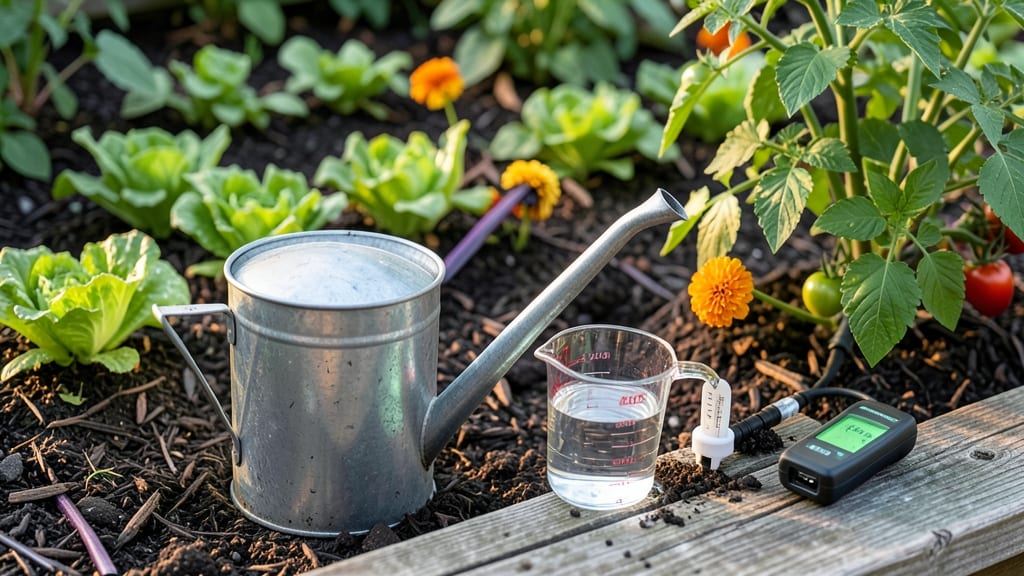
Watering your garden the right amount is the difference between lush, thriving plants 🌱 and a sad, struggling patch of dirt.
Overwatering or underwatering your garden can turn your green oasis into a wilted disappointment—yet most gardeners struggle to find the perfect watering schedule. The secret isn’t just time spent but soil type, plant needs, and climate conditions working together.
Too much water drowns roots, while too little leaves plants gasping for moisture. The key is understanding how deep to water and how often, based on what’s growing in your plot.
Below, I break down a soil-specific schedule, smart tools to save water, and how to spot when your garden is thirsty or drowning—so you can keep everything blooming and healthy all season.


Soil-specific watering schedule: how deep and how often to water different gardens
Your garden's soil type determines how much and how often to water—clay, sandy, and loamy soils all behave differently. I’ve tested these schedules in my own garden, and the difference between a thriving plot and a struggling one comes down to understanding your soil’s unique needs.
Let’s break it down so you can water with confidence, not guesswork.
First, test your soil moisture before watering. Stick your finger about 1 inch deep—if it feels dry, it’s time to water. For deeper roots, check 3-4 inches down.
This simple check saves water and prevents root rot. I use a moisture meter for accuracy, especially in sandy soil, which drains faster than you might think.
| Soil Type | Water Depth | Frequency (Summer) | Frequency (Spring/Fall) | Key Tip |
|---|---|---|---|---|
| Clay | 1-2 inches (surface only) | Every 3-4 days | Every 5-7 days | Water lightly but often—clay holds moisture but suffocates roots if soggy. |
| Sandy | 2-3 inches (deep soak) | Every 1-2 days | Every 3-5 days | Water deeply to encourage roots to grow downward—sandy soil drains like a sieve. |
| Loamy | 1.5-2 inches (balanced) | Every 2-3 days | Every 4-6 days | The gold standard—loamy soil retains moisture without drowning roots. |
For clay soil, I’ve learned to water lightly but frequently. This soil acts like a sponge—it holds water tightly, so shallow, frequent watering prevents surface crusting.
My tomatoes in clay soil wilt less when I water in the morning and avoid overhead sprinklers, which can compact the soil further.
Sandy soil, on the other hand, demands deep, infrequent watering. I’ve seen succulents and roses thrive here when given a 2-inch deep soak every 1-2 days in summer. The key? Mulch heavily to slow evaporation. Without it, sandy soil dries out faster than a desert in July.
If you’re unsure about your soil type, do the jar test: Fill a jar with soil and water, then shake it. Let it settle for 24 hours. The layers will reveal your mix—sand on top, silt in the middle, and clay at the bottom.
My garden’s loamy soil had equal parts of all three, which explained why my peppers loved it!
Seasonal adjustments are critical. In summer, I water 20-30% more than the schedule above due to evaporation. In winter, I cut back to every 10-14 days unless I’m growing winter greens, which need consistent moisture.
Always water early in the day to reduce fungal risks from damp leaves.
Drought-resistant techniques, like drip irrigation or soaker hoses, are game-changers. I installed a timed drip system for my herb garden, which delivers water directly to roots and cuts usage by 40%.
Pair this with organic mulch (straw or wood chips) to lock in moisture and keep weeds at bay.
One common mistake? Watering based on a calendar instead of soil conditions. Always check moisture before watering—your plants will thank you.
For example, my lavender in sandy soil wilts if I skip watering for 3 days, while my hostas in clay soil can go a week without a drink.
Pro tip: Group plants with similar water needs together. My vegetable beds have tomatoes, peppers, and basil—all thirsty plants—while my perennial border mixes lavender, rosemary, and sedum for low-maintenance hydration. This zoning saves time and ensures no plant gets neglected.
Remember, overwatering is just as harmful as underwatering. Yellowing leaves, mold, or soil that smells like rot? You’re overdoing it. Underwatered plants wilt, develop crispy edges, and may drop flowers or fruit. Adjust your schedule based on weather, plant type, and soil feedback—your garden will flourish.
Signs your garden is overwatered or underwatered (and how to Fix it)
Your garden speaks volumes through its leaves, soil, and stems—if you know what to listen for. Yellowing leaves aren’t always about nutrients; they’re often a cry for help from overwatering or underwatering.
I’ve learned the hard way that soggy soil or bone-dry cracks can both spell disaster for your plants, but the fixes are different. Let’s decode the clues your garden is giving you.
Start by checking the soil surface. If it’s hard and cracked, your plants are thirsty. But if it feels squishy or smells like a swamp, you’re drowning your roots. Mold or fungus on leaves or at the soil line?
That’s a red flag for too much water. Even worse, wilting leaves can mean either too much or too little—context matters here.
⚠️ WARNING: Overwatering vs. Underwatering ⚠️ Overwatering causes: ✔️ Yellow leaves (especially lower ones) ✔️ Mushy stems or blackened roots ✔️ Fungal growth (white/pink mold) ✔️ Slow growth despite frequent watering ⚠️ Underwatering causes: ✔️ Brown, crispy leaf edges ✔️ Dry, brittle soil that crumbles ✔️ Drooping leaves that don’t bounce back ✔️ Stunted growth with no new buds Fix: Adjust your watering schedule based on soil type and weather.
Use your finger to test moisture—1-2 inches deep should feel damp, not soggy. 🌱
Let’s talk leaf texture next. Healthy leaves should feel firm but slightly pliable. If they’re soft or translucent, you’re overdoing it. But if they’re paper-thin and brittle, your plants are parched.
I once killed a tomato plant by ignoring its drooping leaves—turns out, it needed water and shade from the afternoon sun. Pay attention to these subtle shifts!
Don’t forget to inspect the roots if you’re still unsure. Gently dig around a plant’s base—healthy roots are white or light tan. Black, mushy roots? That’s rot from overwatering. Dry, woody roots?
Your plant’s dehydrated. This step is crucial for container gardens, where roots have less room to recover. Adjust your watering frequency immediately if you spot these signs.
Create a simple troubleshooting checklist to keep track: ☑️ Check soil moisture daily (morning is best) ☑️ Observe leaf color and texture weekly ☑️ Adjust watering based on weather (hotter = more frequent) ☑️ Mulch to retain moisture (but not too much—2-3 inches max) ☑️ Consider drip irrigation for consistency Most gardeners overcorrect by watering more when they see wilting, but sometimes less is more.
Trust your observations—your plants will thank you with vibrant growth! 🌿
Remember, seasonal changes affect water needs too. In summer heat, you might water twice daily, while winter rains could mean skipping entirely. Keep a garden journal to track what works—your future self (and plants) will be grateful. ✂️