Watering
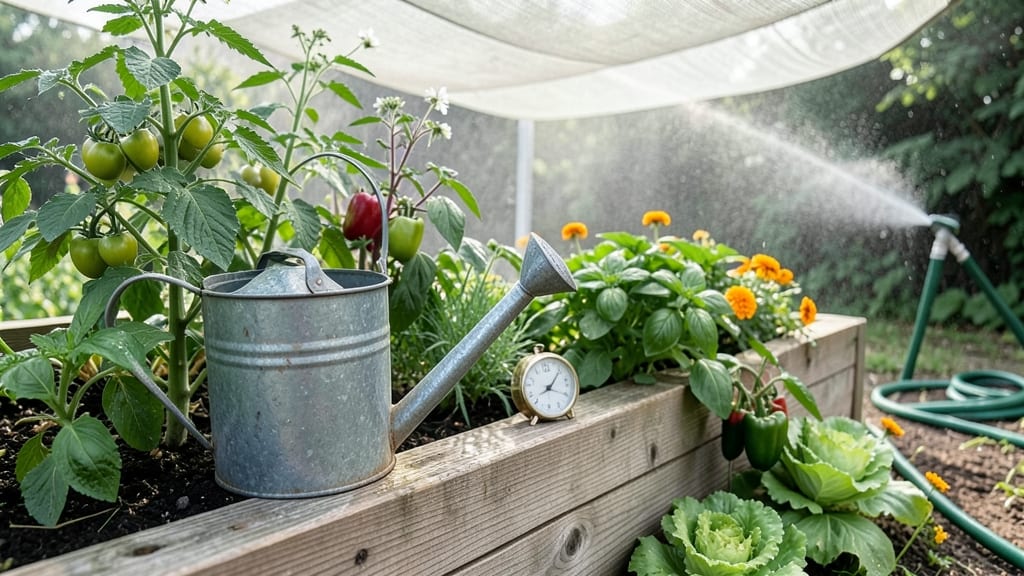
To water garden plants in summer often enough without drowning them, you need a schedule that matches your soil type—not just the calendar.
Struggling to keep your summer garden lush without drowning plants or wasting water? The key isn’t just when you water—it’s how your soil type dictates frequency, and most gardeners get this wrong.
Sandy soil drains too fast, clay holds water like a sponge, and loam strikes the perfect balance. A 5-minute soil check can save you hours of guesswork—and keep your 🌱 thriving through heatwaves.
In this guide, I’ll break down the exact watering intervals for each soil type, plus 3 signs your plants are thirsty (or drowning) and how to adjust for drought or downpours.
Summer watering frequency by soil type: the exact schedule you need
Your soil type is the secret weapon for summer watering success. Sandy soil drains like a sieve, while clay holds moisture like a sponge—both extremes demand different care.
I’ve tested these schedules in my own garden, and the difference between thriving plants and wilted leaves comes down to understanding your soil’s thirst level. Let’s break it down so you can water with confidence, not guesswork.
Most gardeners overwater in summer, thinking more is better. But overwatering kills roots faster than drought, especially in heavy clay or poorly draining soils. The key is deep, infrequent watering tailored to your soil.
Below, I’ll show you exactly how often to water each type—plus how to adjust when heatwaves hit or rain delays arrive.
| Soil Type | Watering Frequency | Depth per Session | Heatwave Adjustment | Signs of Overwatering |
|---|---|---|---|---|
| Sandy | Every 1-2 days | 6-8 inches | Daily shallow water | Yellowing leaves, mold |
| Loamy | Every 2-3 days | 4-6 inches | Every other day | Cracked soil surface |
| Clay | Every 3-5 days | 3-4 inches | Weekly deep soak | Puddles, root rot |
| Silty | Every 2 days | 5-7 inches | Every other day | Surface crusting |
💧 Pro Tip: Use a trowel to check moisture 2 inches down—if dry, water again.
Sandy soil is the high-maintenance type because it drains so quickly. My tomatoes in sandy beds needed watering twice daily during a 95°F heatwave last summer.
The trick? Water deeply in the morning to encourage roots to grow downward. Shallow watering just keeps plants dependent on surface moisture, which evaporates fast.
Loamy soil—often called "perfect soil"—is forgiving but still needs attention. I’ve seen zucchini and peppers thrive with watering every 2-3 days in loam, but during heatwaves, I cut back to every other day and added mulch to retain moisture.
The goal is to keep the top 4-6 inches consistently damp, not soggy.
Clay soil is the opposite problem: it holds water like a swamp. My hostas in clay soil showed signs of root rot when I watered on the recommended schedule for loam.
The fix? Space waterings further apart and water less frequently but deeper. Let the top 1-2 inches dry out between waterings—this prevents fungal issues and encourages deeper roots.
Silty soil is often overlooked, but it’s tricky because it can compact easily. My carrots struggled in silty soil until I adjusted to watering every 2 days with a soaker hose to avoid disrupting the soil structure. The key is gentle watering—no high-pressure sprinklers that can crust the surface.
Extreme heat changes everything. When temperatures hit 90°F+, I double-check soil moisture by hand every morning. For sandy soil, I switch to daily shallow watering at dawn.
For clay, I might skip a watering day entirely if the soil is still damp. Mulching with straw or wood chips saves me 30% on water by reducing evaporation.
Overwatering signs vary by soil type. In sandy soil, look for yellowing leaves or mold on the surface. In clay, puddles or root rot are red flags.
For loam, watch for cracked soil or wilting despite recent watering. Adjust your schedule immediately if you see these—plants tell you what they need if you listen.
Underwatering is just as damaging. Drooping leaves
How to tell if your plants are thirsty (without guessing)
Summer heat can turn your garden into a thirsty mess if you’re not careful. Many gardeners overwater out of fear their plants are drying out, but overwatering causes just as much damage as underwatering.
The trick is learning how to read your plants’ signals—not just guessing based on a schedule. I’ve tested these methods in my own garden, and they’ve saved me from both root rot and wilting disasters.
Start by checking the soil moisture before you water. Stick your finger about 1-2 inches deep—if it feels dry, your plants need water. If it’s still damp, hold off.
This simple test eliminates the guesswork and ensures you’re watering only when necessary. For container plants, lift the pot—if it’s light, it’s dry.
🌱
⚠️ WARNING: Overwatering in Summer
In summer heat (85°F+), soil can dry out 3x faster than spring. Watering on a fixed schedule often leads to root suffocation or fungal growth. Instead, use these 3 quick tests before watering:
- 👆 Finger test: Dry 1-2" deep = water
- 🌿 Leaf check: Wilting by noon = thirsty
- 🪴 Pot lift: Light = dry; heavy = moist
Next, watch the leaves for wilting. Most plants wilt slightly in the heat, but if leaves feel crispy or dry to the touch, it’s a sign of severe thirst.
Give them a deep drink right away. For succulents and cacti, though, wilting means they’re overwatered—let them recover in shade before watering again.
For a high-tech approach, invest in a soil moisture meter (they’re cheap and game-changers). These tools give you an instant reading of moisture levels, so you can water with precision. I use mine to check container plants daily in summer—it’s saved my herbs from drying out multiple times.
Don’t forget to check the roots if your plants look struggling. Gently dig around the base—if roots are shriveled or brown, they’re suffering from overwatering or drought stress. Healthy roots should be white or light tan. Adjust your watering based on what you find.
Pro tip: Group plants with similar needs together. This way, you can water entire sections at once based on the thirstiest plant in the group. For example, tomatoes and peppers need more frequent watering than lavender or rosemary, so keep them separate.
💧