Landscaping
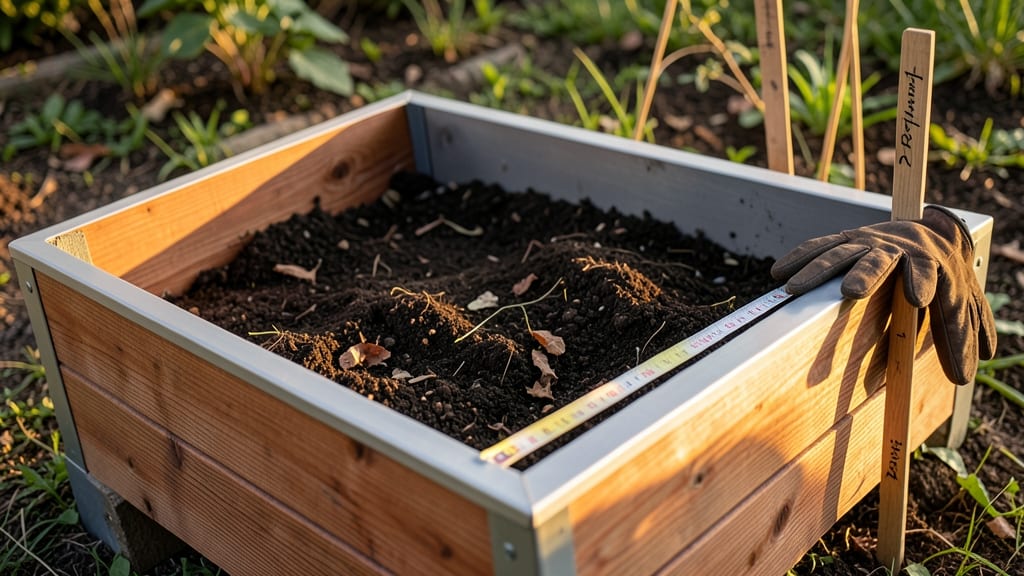
How tall to make raised garden beds is the foundation for healthy plants and easy gardening 🌱—because a few extra inches can mean the difference between thriving roots and stunted growth.
Picture this: you’ve spent hours building your dream garden, only to realize the bed isn’t tall enough for carrots or deep-rooted herbs. Or worse, it’s so high that bending over becomes a chore. The perfect height balances root space, accessibility, and drainage—without breaking the bank on materials.
In this guide, I’ll break down the science behind raised bed heights, from the 6-inch minimum for shallow plants to the 24-inch maximum for heavy soil or root crops. You’ll learn how to adjust for your specific needs—whether that’s wheelchair access, clay soil, or a mix of vegetables and flowers.
By the end, you’ll know exactly how tall to build your beds for plant success and easy maintenance, plus how to avoid common mistakes that waste time and money.


Ideal raised garden bed height guidelines by plant type
Choosing the right raised garden bed height isn’t just about aesthetics—it’s about giving your plants the root space they need to thrive. Too shallow, and deep-rooted vegetables like carrots or potatoes will struggle.
Too tall, and you might waste materials or create drainage issues. Let’s break down the science-backed height guidelines for different plant types, so you can design beds that work for your garden goals.
For shallow-rooted plants like lettuce, herbs, and strawberries, a bed height of 6 to 12 inches is ideal. These plants don’t need much depth—their roots spread horizontally rather than vertically.
This height also makes gardening more accessible, especially for those with mobility challenges, as it brings planting closer to waist level. Plus, it’s easier to manage soil temperature and moisture in shallower beds.
On the other hand, deep-rooted vegetables such as tomatoes, carrots, and asparagus require 12 to 24 inches of soil depth. These plants send roots deep into the earth to access water and nutrients, and a taller bed ensures they have enough space to grow without becoming root-bound.
If you’re growing a mix of plants, consider creating zoned beds with varying depths or using layered soil techniques.
🌱 Pro Tip: If you’re unsure about your soil depth needs, check the mature size of the plants you’re growing. For example, carrots can grow up to 12 inches long, so they need at least that much depth to avoid forking or stunted growth.
If you’re designing beds for accessibility, aim for a height of 12 to 18 inches. This brings the planting surface to waist level, reducing strain on your back and knees.
For gardeners using wheelchairs or walkers, you can even create raised bed pathways that are 24 inches wide, allowing easy access to all sides of the bed. This setup not only makes gardening easier but also extends the growing season by improving soil warmth and drainage.
Another factor to consider is soil composition. If your native soil is heavy clay or compacted, you’ll need a taller bed (up to 24 inches) to add layers of amended soil and improve drainage.
Start with a bottom layer of coarse material like gravel or broken bricks, followed by a mix of compost, peat moss, and topsoil. This layered approach mimics natural soil profiles and gives roots room to explore.
For container gardening or small spaces, you can get creative with height. Stacked planters or vertical gardening systems can achieve similar results in a smaller footprint. Just ensure that even in compact designs, you’re meeting the minimum root depth requirements for your chosen plants. For example,
How to adjust raised garden bed height for soil quality and drainage
Your raised garden bed's height isn't one-size-fits-all—it's a critical factor for soil health and drainage efficiency. In clay-heavy soils, taller beds (12–18 inches) prevent waterlogging, while sandy soils may only need 6–10 inches. The key lies in layered soil strategies that balance aeration, moisture retention, and root space.
Start by assessing your native soil's drainage characteristics. If water pools after rain, your bed needs extra height to create a drainage layer at the bottom. For example, gravel or coarse wood chips in the lowest 4–6 inches will redirect excess water while keeping roots cool.
This approach works especially well in humid climates where soggy soil invites root rot.
Pros and Cons of Raised Garden Bed Heights
6–10 Inches (Standard)
- Pros: Affordable materials, easy to build, ideal for shallow-rooted plants (herbs, lettuce, radishes)
- Cons: Limited root space for deep crops, poor drainage in heavy soils
12–18 Inches (Deep)
- Pros: Supports deep-rooted veggies (tomatoes, carrots), better drainage, extends growing season
- Cons: Higher material cost, requires more soil mix, harder to fill
18–24 Inches (Extra Deep)
- Pros: Best for clay soils or waterlogged areas, accommodates large plants (corn, squash)
- Cons: Structural challenges, may need reinforced edges, overkill for small gardens
For layered soil success, divide your bed into zones. The bottom 4–6 inches should be coarse material (gravel, bark chips) for drainage, followed by a 6-inch layer of compost-rich topsoil.
This mimics natural soil profiles while preventing compaction. In arid regions, add a moisture-retentive layer (like coconut coir) just above the drainage zone to reduce watering needs.
Don't overlook the top layer's texture. A mix of 50% topsoil, 30% compost, and 20% perlite creates an ideal planting medium. This blend supports microorganisms while preventing soil crusting—a common issue in fine-textured soils.
Test your soil's organic matter content before building; aim for at least 5% organic matter to support healthy root growth.
Climate plays a surprising role in height decisions. In cold climates, deeper beds (12+ inches) warm up faster in spring, giving plants a head start. Conversely, in hot, dry areas, shallower beds (6–10 inches) lose moisture faster unless you incorporate water-holding crystals into the soil mix.
Always account for your local frost depth when planning.
Remember, you can always modify height later. If your plants struggle with root restrictions, add extended sides or create tiered sections. The goal is to match your bed's height to your soil's natural limitations and your plants' needs—not just what looks good in a catalog.
Start with your heaviest soil challenges first, then adjust as you observe plant performance.