
Watering
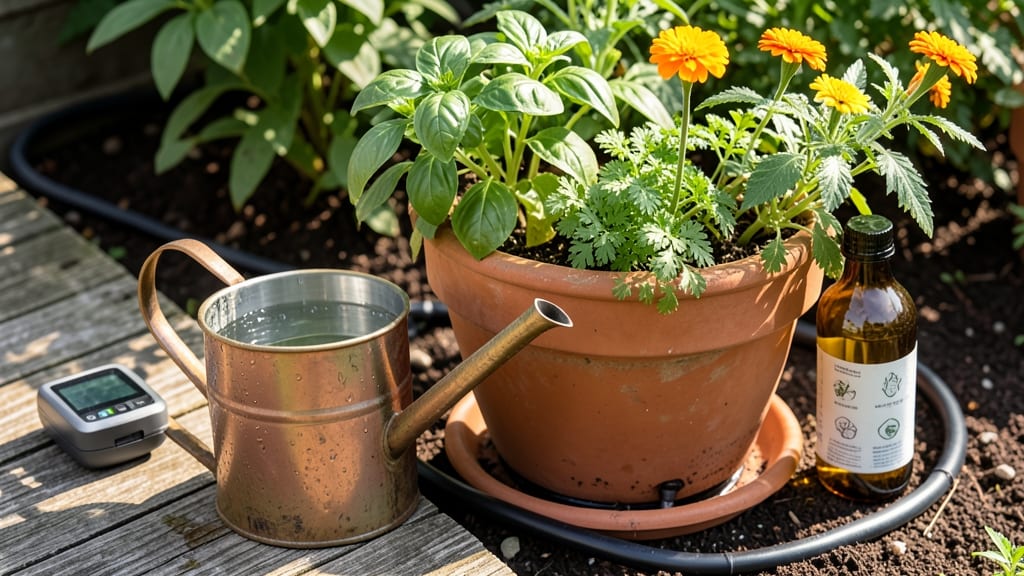
Watering your garden while away doesn’t mean your plants have to dry up—there are smart ways to keep them hydrated without daily effort.
Picture this: you return home to find your 🌱 General Garden Plants thriving instead of wilting, thanks to a system you set up before your trip. Whether you’re off for a weekend or a month, the right approach can save your greenery from stress.
From budget-friendly DIY hacks like buried clay pots to high-tech drip irrigation, you’ll discover solutions that match your garden’s size and your budget. No more guessing if you over- or under-watered—just reliable hydration while you’re away.
Below, I’ll walk you through the best automated systems, easy DIY tricks, and how to prep your garden for optimal moisture retention. Let’s keep those plants happy—no matter where you are.


Best automated watering systems for extended travel
When you're planning a vacation or business trip, the last thing you want to worry about is your garden drying out. The good news is that automated watering systems can handle the job for you, ensuring your plants stay hydrated even when you're away.
These systems range from simple timer-based sprinklers to high-tech smart irrigation controllers, each offering unique benefits depending on your garden's size and plant types.
For small gardens or container plants, self-watering globes and wicking beds are perfect because they require minimal setup and deliver water directly to the roots. Meanwhile, larger gardens benefit from drip irrigation kits or soaker hoses, which provide consistent moisture without wasting water.
Let’s break down the best options to help you choose the right system for your needs.
Comparison Table: Automated Watering Systems
If you're dealing with herbs or small container plants, self-watering globes are a game-changer. These glass or plastic globes sit in the soil and slowly release water as the plant drinks it up.
They’re ideal for indoor plants or balcony gardens where space is limited. Just fill them up before you leave, and your plants will stay hydrated for up to two weeks without any extra effort.
For vegetable gardens or flower beds, a drip irrigation kit is a fantastic choice. These systems use slow-dripping tubing to deliver water directly to the roots, reducing evaporation and waste.
You can customize the setup to water specific plants at different intervals, making it perfect for mixed gardens with varying water needs. Plus, they’re water-efficient, which is great for drought-prone areas.
If your garden is larger than a few square feet, consider a timer-based sprinkler. These systems connect to your outdoor faucet and spray water on a schedule you set.
They’re affordable and easy to install, but they can be less precise than drip systems, so they’re best for lawns or hardy plants that don’t mind occasional wet leaves. Just be sure to adjust the timer based on the weather forecast to avoid overwatering.
For those who love smart home technology, a Wi-Fi-enabled irrigation controller might be the way to go. These systems connect to your phone, allowing you
DIY watering hacks to save money and plants
When you're away for a few days, your plants don’t need fancy gadgets to stay hydrated. Simple, low-cost solutions can keep roots moist for days or even weeks without breaking the bank.
The best part? These methods use items you likely already have lying around the house or garden. Let’s dive into my top no-fuss watering hacks that save both money and your greenery.
First, consider buried clay pots—a time-tested trick that’s perfect for containers or in-ground plants. These unglazed pots, often called olla pots, absorb water through their porous surfaces and release it slowly to roots.
Bury one near the base of your plant, fill it with water, and watch as it hydrates your soil for 3-5 days without overwatering. They’re especially great for herbs, vegetables, and shallow-rooted flowers.
💧 5 Easy DIY Watering Solutions
- Plastic Bottle Drip System: Poke small holes in a 2-liter plastic bottle, bury it upside-down near the plant base, and fill it with water. Lasts 5-7 days.
- Capillary Matting: Layer absorbent towels or rope between pots to share moisture. Ideal for container gardens.
- Sponge Waterers: Soak reusable kitchen sponges in water, place them near roots, and cover with mulch. Hydrates for 2-3 days.
- Self-Watering Globes: Fill clear plastic orbs with water, insert into soil, and they slowly release moisture. Perfect for indoor plants.
- Mulch Thickly: Apply 3-4 inches of mulch (straw, wood chips) to lock in moisture and reduce evaporation by up to 40%.
For container gardens, repurposed plastic bottles are a game-changer. Cut the bottom off a 1-gallon milk jug or soda bottle, flip it, and place it in the soil with the cap off.
Fill it with water, and it’ll drip slowly into the soil as needed. This method works wonders for herbs, succulents, and small vegetables like lettuce or radishes. Plus, it’s free and reusable!
Don’t overlook the power of mulch. A thick layer of organic mulch—like straw, shredded leaves, or wood chips—acts like a natural blanket, slowing evaporation and keeping roots cool.
Aim for 3-4 inches around your plants, and you’ll extend the time between waterings by several days. Mulch also suppresses weeds, making it a two-for-one solution.
If you’re dealing with larger garden beds, try a wicking system. This involves placing a long, absorbent rope (like cotton or burlap) between two containers: one filled with water and the other with soil.
The rope wicks water from the first container to the second, keeping plants hydrated for up to 2 weeks. It’s a bit more involved but ideal for longer trips or drought-prone areas.
Finally, group plants with similar water needs together. This way, you can use a single watering method—like a buried clay pot or a drip bottle—to serve multiple plants efficiently.
Pair succulents with herbs or tomatoes with peppers to maximize coverage. With these hacks, you’ll keep your garden thriving without spending a dime on expensive systems.