
Tools
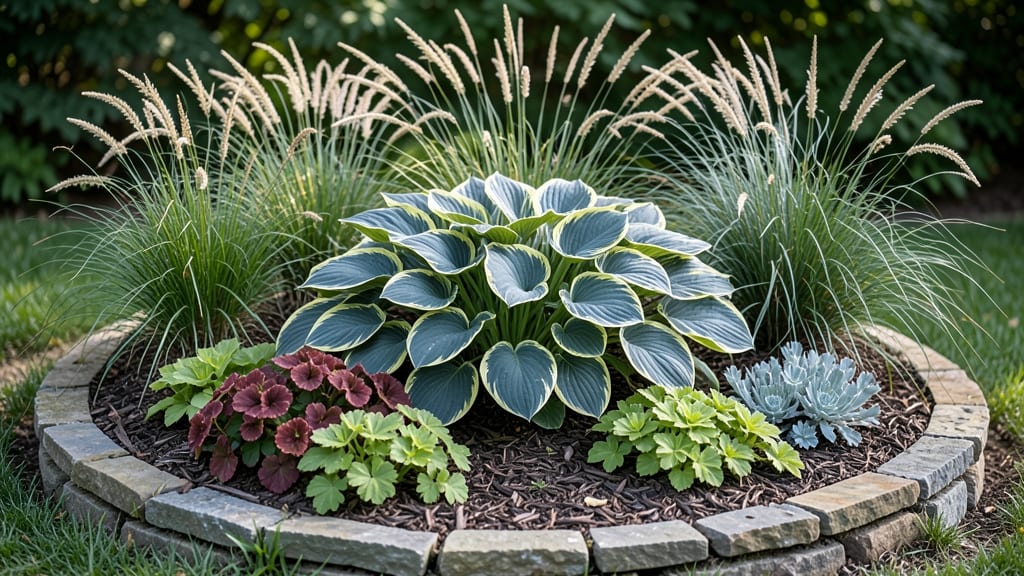
Mound garden bed ideas are the game-changer for small spaces, turning even the tightest yards into productive growing zones without the hassle of raised beds.
Picture this: no heavy lifting, no expensive lumber, and no wasted soil—just a simple pile of dirt that lets you grow tomatoes, herbs, and peppers right where you need them. Whether you're working with a balcony or a postage-stamp backyard, these elevated designs make gardening accessible and stylish.
From spiral layouts that maximize sun exposure to tiered mounds that create microclimates, we’ll cover 10 space-saving designs that fit any garden style—cottage, modern, or wildlife-friendly. Plus, I’ll share the easiest soil mixes, plant pairings that thrive together, and how to keep weeds at bay with minimal effort.
Ready to ditch the flat garden and grow more with less? Let’s get started with layouts that work as hard as you do—and look great while they’re at it.
10 Space-saving mound garden bed designs for small yards
If you're working with limited space but still want a productive garden, mound garden beds are your secret weapon. These elevated, sloped designs maximize growing area without requiring extra yard space or heavy lifting.
Unlike traditional in-ground beds, mound beds improve drainage, reduce weeds, and even help with back pain by eliminating deep bending. Plus, they create stunning visual focal points in any garden style.
Whether you have a tiny urban patio or just a narrow backyard, these 10 creative mound designs will help you grow more in less space. From spiral herb gardens to tiered vegetable hills, each layout is designed to fit specific spaces while optimizing sunlight and airflow.
Let's explore how to transform your compact yard into a thriving garden oasis.
🌱
Let's start with the circular herb spiral, a perfect solution for small spaces. This design creates a natural microclimate gradient where you can plant sun-loving herbs like rosemary and thyme at the center, transitioning to shade-tolerant plants like parsley and cilantro at the outer edges.
The spiral shape also makes harvesting easier—no more reaching across the bed! For best results, build this mound about 18 inches high with a 3-foot diameter.
For vegetable lovers, the tiered vegetable hill is a game-changer. This rectangular design with three distinct levels allows you to grow tall plants like tomatoes at the back, medium-height peppers in the middle, and bushy beans at the front. The tiers create natural
How to build a low-maintenance mound garden bed in 5 steps
Mound garden beds are my go-to solution for small spaces and poor soil conditions. They require minimal digging, improve drainage naturally, and create a stunning visual focal point in any yard.
The best part? You can build one in just a weekend without heavy equipment or expensive materials. I’ve perfected this method over three seasons—here’s how to make it effortless for you.
Start by choosing a sunny, level spot with good air circulation. Avoid low-lying areas where water pools, as mound beds rely on gravity for drainage. If your soil is clay-heavy, don’t worry—we’ll fix that with amendments.
The ideal mound height is 18-24 inches tall and 3-4 feet wide, but adjust based on your plants and space. For example, my herb mound sits at 18 inches while my tomato mound reaches 24 inches.
✅ Step-by-Step Mound Garden Bed Guide
- 1 Mark Your Shape: Use a garden hose to outline a circular or oval mound (3-4 feet wide). For rectangular beds, keep the length under 6 feet to prevent watering challenges.
- 2 Build the Base: Pile native soil into the center, creating a 12-inch-high mound. For poor soil, mix in 50% compost or aged manure to improve fertility and drainage.
- 3 Layer for Success: Add a 2-inch layer of coarse sand (for drainage) followed by 4 inches of topsoil. Top with 1-2 inches of mulch (straw or wood chips) to retain moisture and suppress weeds.
- 4 Plant Strategically: Place tall plants (tomatoes, sunflowers) in the center and short plants (basil, lettuce) around the edges. Water deeply after planting to settle the soil.
- 5 Maintain with Ease: Water at the base of plants (not the mound top) to prevent erosion. Apply mulch annually and fertilize with compost tea every 6 weeks during growing season.
Weed control is effortless with mound beds because the elevated design discourages weed seeds from taking root. I’ve found that pre-emergent herbicide (like corn gluten meal) applied in early spring works wonders without chemicals.
For extra protection, surround the base with landscape fabric before adding mulch. This trick has cut my weeding time by 70% compared to traditional beds.
Watering is another game-changer. Since mound beds drain faster, I use a soaker hose buried 2 inches deep at the mound’s base. This delivers water directly to roots while keeping foliage dry—reducing disease risk.
For container gardens on top of mounds, I add self-watering spikes to automate moisture levels. My pepper plants thrive year after year with this setup.
Pro tip: Add slow-release fertilizer (like Osmocote) at planting time to feed roots for 3-4 months. This eliminates mid-season feeding and saves you time. For flowering plants, I top-dress with bone meal in early spring to boost bloom production.
The results? Healthier plants with fewer pests and bigger yields—all with minimal effort.
Your mound garden bed will reward you with years of low-maintenance beauty and productivity. Start small with one bed, then expand as you see how easy it is to care for. Happy planting—your future self will thank you! 🌱