
Container Gardens
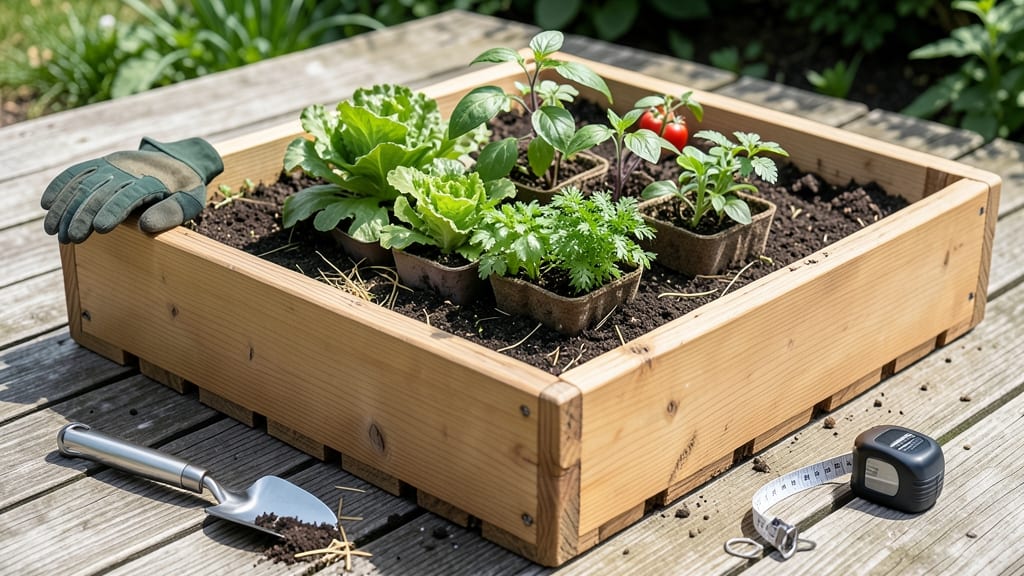
Portable raised garden beds make it easy to transform your gardening game by moving plants whenever you need to—whether that means chasing sunlight, dodging pests, or maximizing limited space.
Picture this: You’ve spent weeks nurturing your tomatoes, only to realize their spot gets too shady by afternoon. With a portable bed, you simply roll it a few feet closer to the sun—no digging, no replanting. That flexibility is the game-changer for small spaces, urban balconies, or even multi-seasonal gardening.
But not all portable beds are created equal. The material you choose determines how lightweight and durable your bed will be, and whether moving it feels like a chore or a breeze. From cedar’s natural resistance to composite’s low-maintenance appeal, each option has its perks—and pitfalls.
In this guide, I’ll break down the 5 best materials for mobility, so you can pick the one that fits your garden’s needs without the hassle. Let’s get started.
5 Best lightweight materials for portable raised garden beds
If you love the idea of portable raised garden beds but dread hauling heavy materials, you're not alone. The right lightweight material can make moving your garden as easy as rolling a wheelbarrow. I’ve tested five top options—each with unique benefits for durability, mobility, and low maintenance.
Let’s break down the pros and cons so you can pick the perfect fit for your space.
First, consider your priorities: Do you need weather resistance or budget-friendly options? Maybe you’re balancing weight limits with long-term durability. Each material below offers a different trade-off, so let’s dive into the details to help you decide.
Here’s how the top five lightweight materials stack up for portable raised beds—including weight, lifespan, and ease of movement.
Cedar wood is a classic choice for natural aesthetics and rot resistance, but it requires occasional sealing to maintain its weatherproofing. The weight is manageable at 30-40 lbs for a 4’x8’ bed, making it ideal for gardeners who prefer a wooden look without sacrificing mobility too much.
Composite wood, on the other hand, mimics the appearance of cedar but with zero maintenance and longer lifespan. Weighing slightly less at 25-35 lbs, it’s a great middle-ground option if you want durability without the upkeep. Plus, its smooth surface makes it easier to slide across your yard.
For the ultimate in low maintenance and lightweight mobility, recycled plastic beds are a game-changer. Weighing just
How to choose the right portable garden bed for your space
Choosing a portable raised garden bed isn't just about finding something that fits your space—it's about balancing weight limits, assembly ease, and weather resistance. I've learned the hard way that a bed that looks lightweight might become a struggle when fully loaded with soil and plants.
Start by measuring your available space and considering how often you'll need to move it—whether it's weekly for sunlight optimization or seasonally for storage.
Another critical factor is the material composition of the bed. Some materials, like lightweight aluminum, offer excellent mobility but may lack insulation for root protection. Others, like cedar, provide natural insulation but can become heavier when wet.
Think about your climate conditions—will your bed face heavy rain, freezing temperatures, or intense sunlight? Your choice should align with these environmental challenges.
Portable Raised Garden Bed Considerations
- ✅ Easy mobility – Move to optimal sunlight or protect from pests
- ✅ Space optimization – Rotate crops efficiently in small areas
- ✅ Soil control – Prevent compaction and customize nutrient mixes
- ✅ Extended growing season – Warms up faster in spring
- ❌ Weight limits – Fully loaded beds can exceed safe moving capacity
- ❌ Material degradation – Some plastics degrade in UV, wood rots
- ❌ Assembly complexity – Some designs require tools or multiple people
- ❌ Maintenance needs – Regular cleaning prevents mold and pests
- 🏋️ Weight capacity – Check empty vs. loaded weight
- 🔧 Assembly time – Pre-assembled vs. DIY kits
- ☀️ Weather resistance – UV protection, rust prevention
- 🧹 Maintenance – Ease of cleaning and repairs
Let's talk about weight limits—this is where many gardeners make mistakes. A 4'x8' bed filled with soil and plants can weigh 800-1,200 pounds, depending on the material. If you're moving it solo, aim for beds under 50 pounds empty weight.
For teams, up to 100 pounds might be manageable with help. I recommend testing a bed's mobility with just soil first—once plants are added, it becomes significantly heavier.
Weather resistance is another area where I've seen gardeners struggle. Plastic beds may crack under freezing temperatures, while untreated wood can warp when exposed to moisture. Look for beds with UV-resistant coatings or galvanized steel frames if you're in a hot, sunny climate. For rainy regions, ensure the bed has proper drainage holes to prevent waterlogging, which can make moving nearly impossible.
Don't overlook maintenance requirements—some materials need regular sealing, while others require deep cleaning to prevent mold buildup. For example, wooden beds may need annual staining, while plastic beds should be scrubbed with a vinegar solution every few months.
Consider how much time you're willing to invest in upkeep before making your final choice. A bed that requires minimal maintenance might save you hours of work each season.
Finally, think about assembly ease. Some portable beds arrive pre-assembled and ready to fill, while others require tools, screws, and multiple people to assemble. If you're not handy with tools, look for beds with snap-together designs or pre-drilled holes.
I've found that beds with modular panels are easiest to assemble and disassemble for storage or transport.
When you find the perfect balance between these factors, your portable raised garden bed will become one of your most valuable gardening tools—giving you the flexibility to grow where and when you want, without the hassle. Happy gardening! 🌱