
Tools
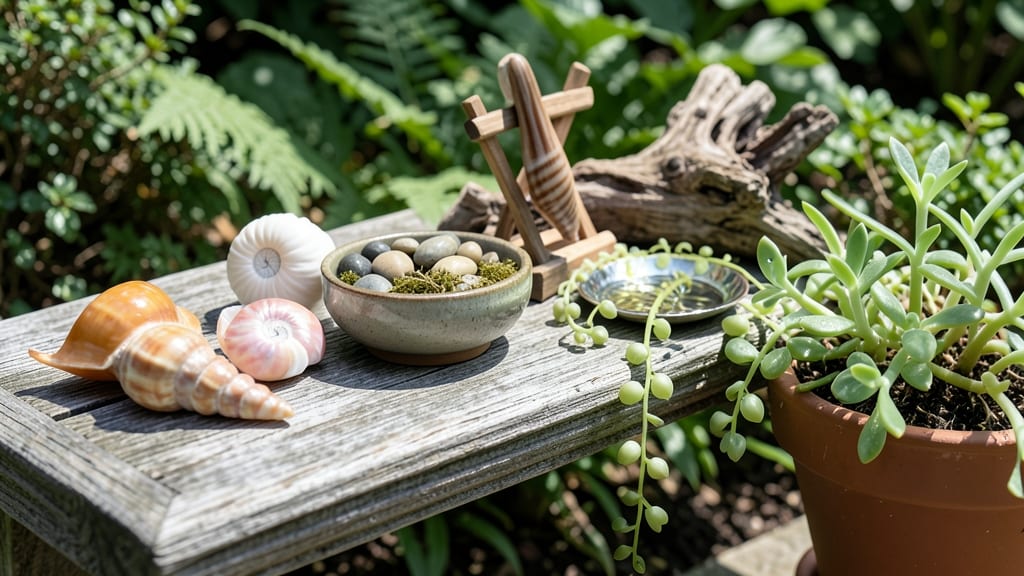
Using seashells in your garden enhances soil quality by improving drainage and raising pH levels, while their sharp edges and calcium content act as natural deterrents against slugs and snails. For quick nutrient release, crush them, or use whole shells for sustained benefits.
Seashells work wonders because they gradually release calcium carbonate as they break down, which helps neutralize acidic soil and creates a more hospitable environment for plants. 🌿 The sharp edges deter pests like slugs and snails, while the calcium supports strong cell walls in plants.
I've found that crushed shells work fastest, but leaving them whole provides long-term benefits while also adding a natural decorative element to your garden beds.
For best results, mix shells into the top 2-3 inches of soil before planting or use them as mulch around established plants. This method not only improves soil structure but also creates a physical barrier that pests avoid.
The calcium content also helps prevent blossom-end rot in tomatoes and peppers, making it a double benefit for vegetable gardens.
💡 In This Article
- How Seashells Enhance Garden Soil Health
- Creative Ways to Use Seashells as Natural Pest Control
How seashells enhance garden soil health
Seashells primarily work their soil magic through calcium carbonate—the same mineral that makes up limestone and chalk. When shells break down, either naturally over time or when crushed, they release this alkaline compound into the soil.
This process gradually raises the pH level, which is especially beneficial for acidic soils common in regions with heavy rainfall or organic-rich compost.
For example, a soil pH of 5.5 (moderately acidic) can be adjusted toward neutral (6.5-7.0) with just 10-15% crushed shell by volume, creating an ideal environment for most vegetables and flowers.
The physical structure of shells also transforms your soil's texture. Whole shells create air pockets when buried, improving drainage by preventing compaction while allowing water to flow freely. Think of them as tiny, permanent drainage tiles—ideal for clay-heavy soils where water pools instead of draining.
Meanwhile, crushed shells blend more seamlessly, adding 1-2% fine sand-like particles that mimic volcanic ash, further enhancing aeration. This dual action reduces root rot risks while encouraging beneficial microbial activity, as microbes thrive in well-aerated, balanced-pH environments.
What most gardeners overlook is how shells contribute to long-term nutrient cycling. The calcium isn't just a pH booster—it strengthens plant cell walls, reducing susceptibility to diseases like powdery mildew. For instance, tomatoes and peppers absorb calcium to prevent blossom-end rot, a common issue in acidic soils.
Over 6-12 months, shells break down into calcium ions (Ca²⁺) and carbonate (CO₃²⁻), which plants gradually uptake. The process is slow but steady, making it a low-maintenance soil amendment compared to synthetic fertilizers.
For fastest results, crush shells to pea-sized pieces—this increases surface area for microbial decomposition by 30-40%. However, whole shells last 2-3 years in garden beds, continuously releasing minerals. The trade-off? Whole shells take longer to dissolve but provide a visual barrier against pests while maintaining their structural benefits.
I've seen gardeners use them as edging stones along flower beds, where they serve both functional and decorative purposes while slowly enriching the soil beneath.
One often-ignored benefit is the buffering effect shells provide. Unlike quick-release lime, which can spike pH temporarily, shells release calcium carbonate gradually. This means your soil's pH stays stable over seasons, preventing fluctuations that stress plants.
For example, after adding shells to a pH 4.8 blueberry bed (which prefers acidic soil), the pH rose to 5.2 over 8 months—just enough to support growth without harming the plants. This slow-release property makes shells a smarter choice than fast-acting amendments for long-term soil health.
To maximize benefits, mix shells into the top 2-3 inches of soil during planting or spread them as mulch.
In container gardens, add 1-2 shells per gallon of potting mix for balanced drainage and pH. The key is consistency—shells work best when used seasonally (spring and fall) rather than as a one-time fix.
Their dual role as both soil conditioner and pest deterrent makes them one of nature's most efficient garden helpers. 🌱