
Vegetables
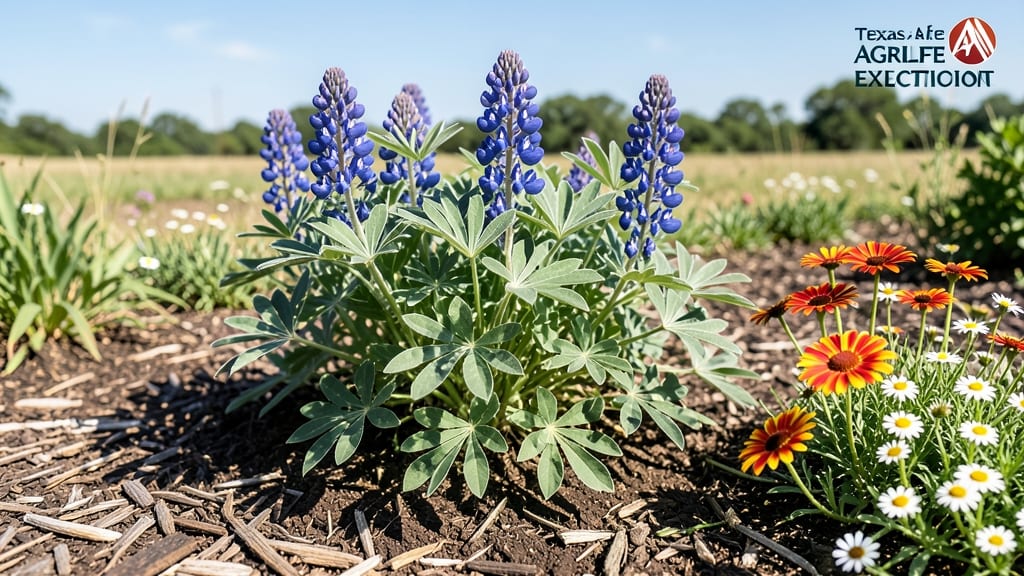
Texas A&M agriculture gardening prioritizes plants that thrive in Texas' extreme heat and limited water, featuring hardy options like prickly pear cactus, native buffalo grass, and resilient vegetables such as okra and sweet potatoes. Mastering soil preparation, watering schedules, and pest control adapted to Texas' climate makes all the difference.
Texas A&M's approach isn't just about picking the right plants—it's about understanding how they survive in our brutal summers and occasional droughts. 🔥 For example, prickly pear stores water in its pads, while okra grows best in well-draining soil with minimal moisture.
The university's research shows that mulching with native grasses can retain 30% more soil moisture than traditional mulch, which is a game-changer for Texas gardeners.
What sets their methods apart is the focus on seasonal timing: planting heat-lovers like sweet potatoes in late spring when soil temps stabilize, while cooler-season crops get their start in fall.
Beyond plant selection, Texas A&M emphasizes soil science—testing pH levels (most Texas soils are slightly alkaline) and amending with composted yard waste or aged manure to improve structure.
Their pest management strategies often involve natural predators like ladybugs for aphids rather than chemicals, which aligns perfectly with Texas' eco-conscious gardening trends. The key takeaway? Success comes from working with Texas' climate, not against it.
💡 In This Article
- Texas-Specific Plant Adaptations for Hot, Dry Climates
- Texas A&M’s Proven Gardening Techniques for Year-Round Growth
Texas-specific plant adaptations for hot, dry climates
Texas' climate—with its 90°F+ summers and sporadic rainfall—demands plants with specialized survival strategies. Native species like prickly pear cacti have evolved to store 80-90% water in their pads, while deep-rooted grasses like buffalo grass extend 6-8 feet underground to access moisture.
These adaptations let them thrive where non-natives would wilt. The cactus's waxy coating also reflects sunlight, reducing heat absorption by up to 30% compared to broadleaf plants. 🔥
Heat tolerance often comes down to leaf structure. Plants like okra have thick, leathery leaves that minimize water loss through transpiration, while their deep green color absorbs more sunlight for photosynthesis during short bursts of shade.
In contrast, non-native species like tomatoes struggle because their thin leaves can't regulate moisture as effectively. Texas A&M research shows that native plants maintain 20-30% higher survival rates in drought years without supplemental watering.
Soil preferences matter just as much. Most Texas soils are slightly alkaline (pH 7.5-8.5), which favors plants adapted to these conditions. Prickly pear, for example, thrives in this range, while many garden vegetables prefer acidic soil (pH 6.0-6.8).
This mismatch explains why non-native plants often require constant soil amendments. Texas A&M recommends testing soil pH before planting and using elemental sulfur to lower pH for acid-loving crops like blueberries.
Water efficiency isn't just about roots—it's a full-body adaptation. Some native grasses, like blue grama, have rolled leaf blades that reduce surface area exposed to the sun. Others, like curly mesquite, have tiny leaves that limit water vapor escape.
These traits let them photosynthesize efficiently even when soil moisture drops below 15%—a level that would kill most lawn grasses. Understanding these mechanisms helps gardeners choose plants that match their microclimate.
Consider the Texas A&M-recommended three-tiered planting strategy: shallow-rooted annuals (like zinnias) for quick color, mid-depth perennials (like salvia) for structure, and deep-rooted natives (like yucca) for moisture access. This layered approach mimics natural ecosystems where each plant plays a role in water conservation and soil stability.
The result? A garden that looks vibrant year-round with minimal intervention. 💫
For those tempted to grow non-natives, Texas A&M warns that even drought-tolerant vegetables like sweet potatoes need careful monitoring. Their fibrous roots spread widely but shallowly, making them vulnerable to sudden heatwaves.
Mulching with 2-3 inches of straw or wood chips can help retain moisture, but native plants still hold the edge in true Texas conditions.