
Planting
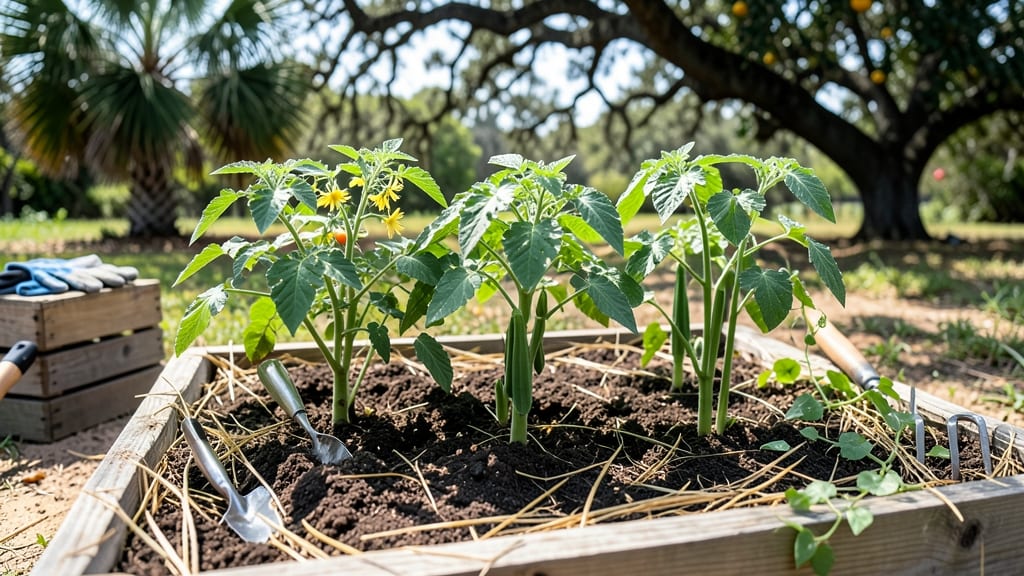
Planting your vegetable garden in Florida at the right time means the difference between a bountiful harvest and struggling with heat or humidity — and the best windows aren’t what you’d expect.
Florida’s long growing season and humid climate make it a gardener’s paradise—but knowing the perfect time to plant your 🥬 garden can mean the difference between a thriving harvest and wilted disappointment. With three distinct heat zones, timing is everything!
Most gardeners assume spring is the only time to start, but Florida’s frost-free winters and scorching summers mean your best bets are actually fall and early spring for cool-season crops, while heat-loving veggies like peppers and okra thrive in summer.
Below, I’ll break down the exact months to plant by zone, which crops to prioritize, and how to adjust for Florida’s unique challenges—so you can finally grow what you’ve always wanted without the guesswork.
Florida’s 3 heat zones: when to plant vegetables by region
Florida’s unique climate creates three distinct heat zones, each with different planting windows and temperature tolerances. Unlike northern states, Florida rarely experiences frost, but humidity and intense summer heat dictate when to plant. Understanding these zones helps you avoid wilting plants or missed harvests.
North Florida (Zones 8a-8b) has cooler winters and occasional light frosts, while Central Florida (Zones 9a-9b) enjoys mild winters and hot summers. South Florida (Zones 10a-11) stays warm year-round, allowing year-round planting for heat-loving crops. Let’s break down the best times to plant in each zone.
📌 Key Difference: North Florida can grow cool-season crops like broccoli and peas in winter, while South Florida focuses on heat-tolerant varieties like okra and sweet potatoes. Central Florida blends both strategies.
| Zone | Avg. Last Frost | Best Cool-Season Planting | Best Warm-Season Planting | Heat-Tolerant Crops |
|---|---|---|---|---|
| North (8a-8b) | Dec 1 | Feb–Mar (broccoli, peas) | Apr–May (tomatoes, peppers) | Okra, sweet potatoes, malabar spinach |
| Central (9a-9b) | None | Sep–Oct (kale, carrots) | Mar–Apr (eggplant, cucumbers) | Black-eyed peas, cowpeas, yard-long beans |
| South (10a-11) | None | Year-round (lettuce, radishes) | Year-round (peppers, eggplant) | Sweet corn, jute mallow, Thai basil |
In North Florida, your last frost date is around December 1, giving you a short window for cool-season crops like lettuce and radishes. Start seeds indoors in January for early spring transplants. For warm-season crops, wait until soil temperatures exceed 60°F—typically after Memorial Day.
Central Florida gardeners enjoy longer growing seasons and can plant cool-season crops in fall (September–October) for winter harvests. Warm-season crops like tomatoes and peppers thrive when planted in March or August to avoid peak summer heat. Use shade cloth for sensitive plants during July–August.
South Florida’s tropical climate allows for year-round planting, but timing still matters. Cool-season crops like spinach grow best in winter months (December–February), while warm-season crops like okra and sweet potatoes flourish in summer (June–September). Avoid planting heat-sensitive crops like basil during peak summer.
For all zones, succession planting is key. In North Florida, plant beans and peas every 2 weeks from March to June. Central Florida gardeners can extend harvests by planting lettuce and carrots in September and February.
South Florida’s gardeners enjoy continuous harvests by staggering tomato and pepper plantings every 4–6 weeks.
One critical tip for Florida gardeners: Soil temperature matters more than air temperature. Use a soil thermometer to ensure seeds germinate properly. Warm-season crops need soil at 60–70°F, while cool-season crops prefer 50–60°F. In South Florida, soil stays warm year-round, but heavy rains can delay planting.
If you’re new to Florida gardening, start with heat-tolerant varieties like Malabar spinach or yard-long beans, which thrive in 100°F+ temperatures. For cool-season crops, opt for Florida broadleaf or Florida nun lettuce, bred to handle humidity.
Always check seed packets for days to maturity to align planting with your zone’s climate.
Pro tip: Use mulch to regulate soil temperature and retain moisture. Straw or pine bark works well in Florida’s heat. In North Florida, row covers protect young plants from late frosts, while South Florida gardeners may need shade cloth
Best vegetables to plant in Florida by season (with exact dates)
Florida’s unique climate lets you grow vegetables year-round, but timing is key to avoid heat stress or pests. Cool-season crops like lettuce and broccoli thrive in winter, while heat-lovers such as okra and sweet potatoes shine in summer. The trick? Staggered planting ensures continuous harvests without gaps.
For North Florida (Zones 8a-8b), focus on fall and spring plantings to escape summer’s brutal heat. Central and South Florida (Zones 9a-11) can grow almost anything year-round, but even here, succession planting maximizes yields. Let’s break down the best month-by-month schedule for Florida’s top vegetables.
📅 Florida Vegetable Planting Calendar
- January–March: Plant cool-season crops like broccoli, cabbage, and carrots. Start tomato and pepper seeds indoors for transplanting in April.
- April: Transplant tomatoes, peppers, and eggplants after last frost (if applicable). Direct-sow beans, cucumbers, and squash.
- May–June: Focus on heat-tolerant varieties like okra, sweet potatoes, and southern peas. Use shade cloth for sensitive crops.
- July–August: Plant fall greens (lettuce, spinach) and succession-sow beans for late harvests. Avoid planting cool-season crops.
- September–October: Ideal for tomatoes, peppers, and winter squash. Start cool-season crops like kale and collards for winter harvests.
- November–December: Plant broccoli, cabbage, and carrots for spring harvests. Succession-sow lettuce every 2 weeks.
Pro tip: Succession planting means sowing lettuce every 2 weeks in fall/winter to avoid bolting. For tomatoes and peppers, use heat-tolerant varieties like ‘Celebrity’ tomatoes or ‘Jalapeño M’ peppers to beat the summer heat.
In South Florida (Zones 10a-11), you can grow tomatoes and peppers year-round, but shade cloth is a lifesaver in peak summer. North Florida gardeners should prioritize fall plantings to avoid summer’s 90°F+ temperatures.
Don’t forget to mulch heavily to retain moisture and fertilize every 4-6 weeks with a balanced 10-10-10 mix. With these exact dates and succession tips, your Florida vegetable garden will produce like a dream!