
Planting
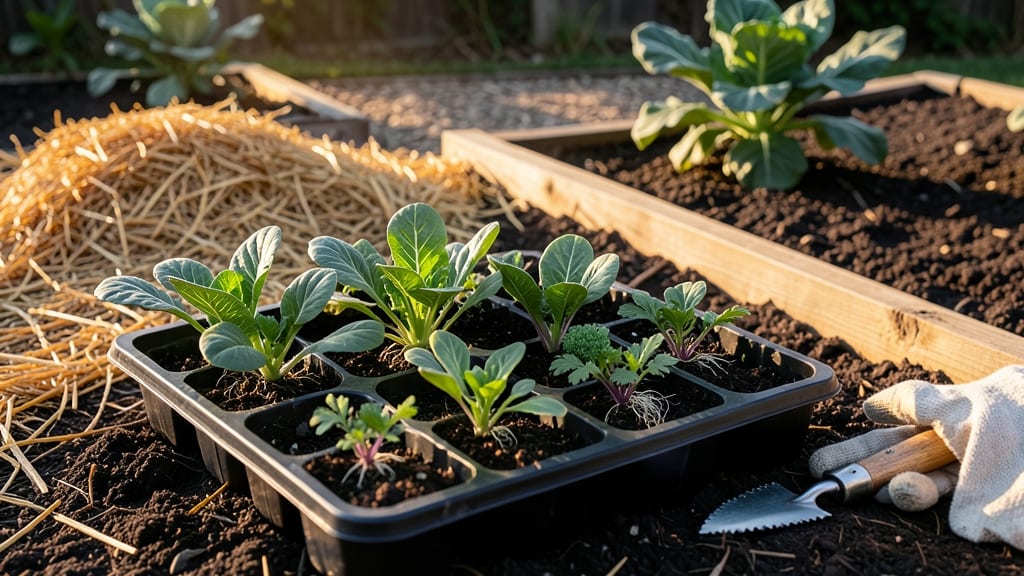
To plant a fall garden in Florida, aim for late August through early October—timing that avoids the brutal summer heat while maximizing your harvest before winter sets in.
Florida’s unique climate makes fall gardening a goldmine—if you plant at the wrong time, you’ll waste seeds, money, and months of effort. Timing is everything, and these mistakes could ruin your harvest before it even starts.
Most Florida gardeners overlook how quickly soil cools after Labor Day, leading to stunted growth. Meanwhile, others rush crops in too early, only to watch them wilt under lingering summer heat.
Below, I’ll break down the exact planting windows by region, the 3 critical mistakes to avoid, and the best fall crops that thrive in Florida’s mild winters.
Florida fall planting calendar: exact dates by region (2024)
Florida’s fall gardening season is shorter than you think—just 6-8 weeks for most crops before temperatures dip. Unlike northern states, we don’t have frost to signal the start, but soil temperatures and humidity shifts create the perfect window.
Plant too early, and your seedlings will bolt in the heat; too late, and you’ll miss the cool-season harvest before winter rains arrive.
Your planting zone matters more than your ZIP code. North Florida (Zone 8a) faces occasional frost by January, while South Florida (Zone 10a) stays warm year-round. Central Florida (Zones 9a-9b) sits in the middle, with microclimates creating pockets of ideal conditions even in urban areas.
Let’s break down the exact dates for each region to maximize your yield.
| Region | Best Planting Window | Soil Temp Goal (°F) | Key Crops | Avoid After |
|---|---|---|---|---|
| North Florida (Zone 8a) | August 15 - September 15 | 70-80°F | Broccoli, Kale, Carrots, Spinach | October 1 (risk of frost) |
| Central Florida (Zones 9a-9b) | August 1 - October 1 | 75-85°F | Lettuce, Radishes, Green Beans, Collards | November 15 (heat returns) |
| South Florida (Zone 10a) | September 1 - November 1 | 80-90°F | Peppers, Eggplant, Sweet Potatoes, Okra | December 1 (humidity spikes) |
| Microclimates (Urban/Coastal) | July 15 - October 30 | 70-85°F | Herbs, Microgreens, Bush Beans | Varies (monitor heat islands) |
For North Florida, aim to plant 6-8 weeks before your first frost date (typically early January). This means starting seeds indoors by mid-July for transplants ready by August 15. Soil temperatures drop faster here, so use a soil thermometer to confirm conditions are ideal before sowing.
In Central Florida, you’ve got flexibility. August 1 is your sweet spot for heat-tolerant crops like okra and sweet potatoes, while September 15 works for cooler-loving lettuce and spinach.
The key is avoiding the September heat spike, which can stress seedlings. If your garden feels like a sauna, opt for shade cloth or drip irrigation.
South Florida gardeners can push planting later than anyone else. September 1 is your magic date for cool-season crops, but don’t stop there—October and November are perfect for winter greens like kale and collards.
The only rule? Avoid planting after December 1, when humidity and fungal diseases surge. Use raised beds to improve drainage and reduce disease risk.
Microclimates—like urban heat islands or coastal breezes—can shift your planting window by 2-4 weeks. For example, a shady backyard in Orlando might stay cool enough for July planting, while a sun-baked rooftop garden in Miami could require waiting until October.
Test your spot with a thermometer for 3 days to see how it compares to regional averages.
One non-negotiable rule: Never plant when soil temps exceed 90°F. Use mulch or row covers to keep roots cool. For North Florida, this means stopping by September 15; for South Florida, you’ve got until November 1. Pro tip: Plant in the afternoon
3 Critical mistakes that kill Florida fall gardens (and how to fix them)
Florida’s fall gardening season is short but sweet—if you time it right. But planting too early can leave your crops vulnerable to late-summer heat, while ignoring soil prep turns your sandy soil into a nutrient desert.
Even choosing the wrong plants can mean wasted effort and empty garden beds. Let’s fix these three common mistakes before your fall garden becomes a ghost town.
First, let’s tackle the biggest time-waster: over-planting too early. Many gardeners rush to plant cool-season crops like lettuce or broccoli in late July or early August, only to watch them wilt under 90°F+ temperatures.
Florida’s first frost in North Florida (around January 1) gives you a narrow window—plant too soon, and your seedlings will struggle or bolt before they mature.
⚠️ callout warning ⚠️
Risk: Seedlings die from heat stress or bolt prematurely.
Fix: Wait until soil temps drop below 85°F (usually mid-August to early September). Start with heat-tolerant varieties like Malabar spinach or Swiss chard if you can’t wait.
Next up: skipping soil prep for Florida’s infamous sandy soil. Without amending it, your plants will drown in heavy rains or starve for nutrients. Test your soil’s pH (aim for 6.0–7.0) and add 2–4 inches of compost or aged manure before planting. For sandy soil, mix in peat moss or coconut coir to improve water retention. Organic matter is your secret weapon against Florida’s nutrient-poor dirt.
Finally, choosing heat-sensitive crops is a surefire way to disappoint. Plants like radishes or peas need cool temperatures to thrive, but Florida’s fall can still bring warm spells.
Instead, opt for heat-tolerant varieties like ‘Black Seeded Simpson’ lettuce or ‘Tuscan’ kale. These varieties handle 80–85°F better than traditional cool-season crops.
To avoid these mistakes, plan your fall garden in phases. Start with fast-growing crops like bush beans or turnips in late August, then add slower growers like broccoli or cabbage in September.
Use row covers to protect young plants from unexpected heat spikes or light frosts in North Florida.
With these fixes, your Florida fall garden will thrive instead of wither. Timing, soil, and the right plants are your three keys to success. Now grab your gloves—it’s time to grow!