
Vegetables
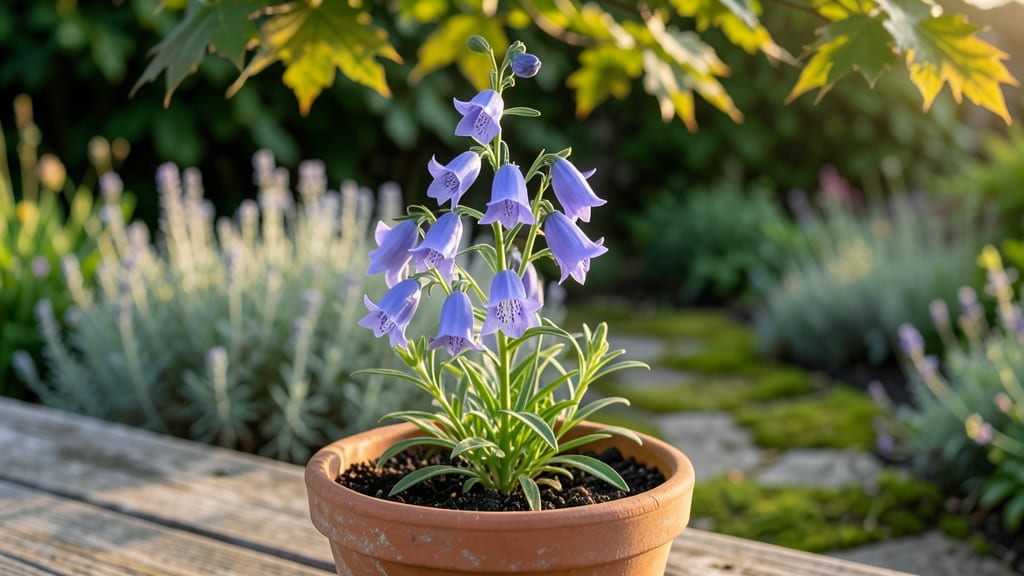
Creating weather bell gardens means choosing plants that match your local climate zone for year-round beauty and durability. Focus on hardy species that handle seasonal changes and drought conditions with ease.
Your local climate zone determines which plants will thrive year after year, so always start by checking your USDA hardiness zone.
Native plants and drought-resistant varieties naturally adapt to your region's conditions, reducing maintenance while keeping your garden vibrant. 🌿 For example, lavender and sedum flourish in hot, dry climates, while ferns and hostas prefer cooler, moister environments.
Understanding your area's frost dates and heat tolerance levels helps you plan for seasonal transitions and ensures your garden remains resilient through changing weather patterns.
Beyond hardiness, consider soil quality and sun exposure—two factors that often get overlooked. Amending clay-heavy soil with compost can improve drainage for drought-tolerant plants, while partial shade might extend the blooming season for heat-sensitive flowers.
A well-planned weather bell garden balances beauty with practicality, so prioritize plants that align with your microclimate's unique conditions.
💡 In This Article
- Understanding Climate Zones for Garden Plant Selection
- Top Low-Maintenance Plants for Weather-Resilient Gardens
Understanding climate zones for garden plant selection
Your garden's success hinges on understanding USDA hardiness zones, which divide North America into 13 zones based on average annual minimum temperatures. Zone 1 (coldest) spans Alaska, while Zone 12 (warmest) covers tropical Hawaii.
Each zone represents a 10°F temperature range, meaning plants labeled "Zone 5" can survive down to -20°F. This system helps predict which plants will thrive in your area by matching their cold tolerance to your region's winter lows.
But zones aren't the whole story—microclimates create pockets where conditions differ dramatically within just a few feet. A south-facing wall can add 5-10°F of warmth compared to open yard space, while low-lying areas collect cold air.
Frost dates are equally critical: In Zone 6, first frost typically arrives by October 15, while Zone 9 might see frost as late as December 15. These dates determine when to plant cool-season crops or protect tender species. 🌡️
Heat tolerance matters just as much as cold hardiness. Plants in Zone 10 (like bougainvillea) need protection from summer temperatures above 90°F, while Zone 4 species (such as coneflowers) may struggle in prolonged heat.
Precipitation patterns also influence plant selection: Areas with less than 10 inches of annual rainfall favor drought-tolerant succulents, while regions with over 40 inches support moisture-loving ferns and hostas.
To apply this knowledge, start by locating your zone using the USDA interactive map, then adjust for your specific microclimate. For example, a garden in Zone 7 with a south-facing slope might safely grow Zone 8 plants like olive trees.
Always check a plant's minimum temperature tolerance and heat range—a Zone 5 plant that tolerates 95°F heat will outperform one that wilts above 85°F in your summer climate.
Seasonal shifts require planning too. In colder zones, mulch with 3-4 inches of organic material to insulate roots during winter, while hotter climates benefit from light-colored mulch to reflect heat. Grouping plants with similar water needs (hydrozoning) conserves resources and reduces stress during droughts.
The key is creating a garden ecosystem where each plant's natural preferences align with your local conditions. 🌱
Don't overlook wind exposure either—coastal areas experience salt spray that damages foliage, while inland gardens may face drying winds. Windbreaks like evergreen shrubs can create sheltered microclimates where delicate plants thrive. By combining zone knowledge with microclimate observations, you'll design a garden that looks beautiful year-round while requiring minimal intervention.