
Planting
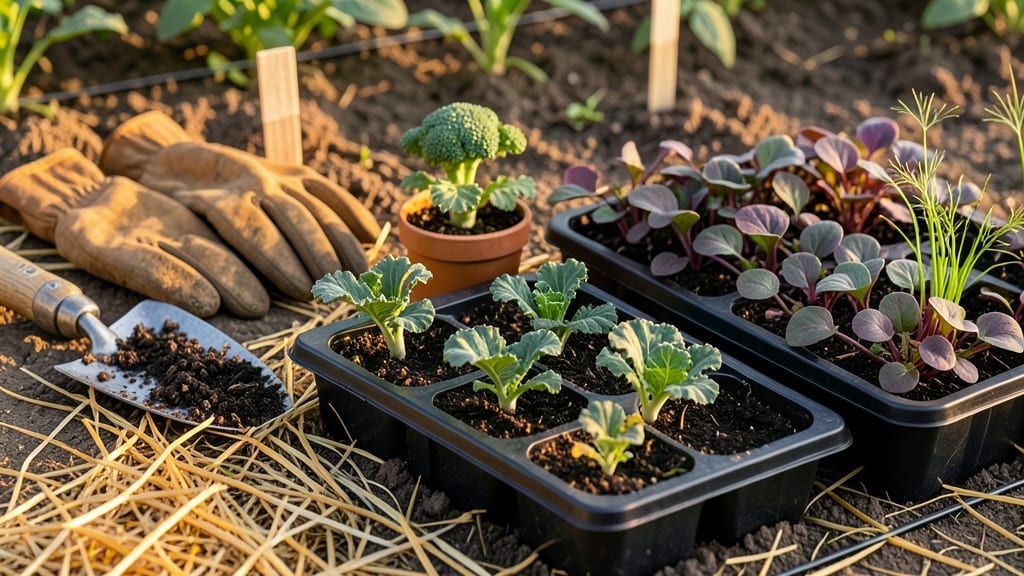
Planting a fall garden in Zone 7 means timing is everything—get the schedule right, and you’ll enjoy crisp harvests until the first frost. 🌱
Zone 7 gardeners know the secret to a thriving fall harvest lies in precise timing—plant too early, and your crops face summer’s heat; too late, and frost steals your rewards. Master these exact dates to maximize your garden’s potential before winter sets in.
This isn’t just about avoiding frost—it’s about giving cool-season crops the perfect window to mature before temperatures drop. Whether you’re growing leafy greens, root vegetables, or brassicas, knowing when to sow ensures a bountiful harvest.
Below, I’ll break down the ideal planting dates for Zone 7, share soil prep tips, and reveal the top 5 crops that thrive in cooler weather—so you can plan like a pro and enjoy fresh produce well into autumn.
Zone 7 fall planting calendar: exact dates by crop type
Fall gardening in Zone 7 rewards patience with crisp harvests, but timing is everything. With first frost typically arriving between October 15-30 and last frost around March 15-30, your 90-day frost-free window becomes your best tool.
Plant too early, and summer’s heat will stress tender greens; too late, and frost will ruin your efforts. Let’s break down the exact planting windows for your cool-season crops.
Your Zone 7 fall garden thrives on cool-season vegetables like leafy greens, root crops, and brassicas. These plants handle 50-60°F days and even light frosts, making them perfect for late summer through fall.
The key is starting seeds or transplants at the right time to ensure a harvest before hard frost (when temps drop below 20°F). Below, I’ll share my proven planting schedule based on years of testing in my own garden.
| Crop Type | Planting Window | Last Harvest Before Frost | Notes |
|---|---|---|---|
| Leafy Greens (Lettuce, Spinach, Kale) | Early: August 1-15 Mid: August 16-31 Late: September 1-15 |
Early: October 15 Mid: November 1 Late: November 15 |
Start early for bolting resistance. Use shade cloth in late summer. |
| Root Crops (Carrots, Beets, Radishes) | Early: July 15-August 1 Mid: August 1-15 Late: August 16-31 |
Early: September 15 Mid: October 15 Late: November 1 |
Radishes mature fastest (30 days). Thin seedlings to avoid competition. |
| Brassicas (Broccoli, Cabbage, Brussels Sprouts) | Early: July 1-15 Mid: July 16-August 1 Late: August 1-15 |
Early: October 1 Mid: November 1 Late: December 1 |
Brussels sprouts sweeten after frost. Use row covers for early protection. |
| Flowers (Pansies, Snapdragons, Calendula) | Early: August 1-15 Mid: August 16-31 Late: September 1-15 |
Early: November 1 Mid: December 1 Late: January 1 |
Pansies bloom in cool weather. Deadhead for continuous flowers. |
| Herbs (Cilantro, Parsley, Dill) | Early: August 1-15 Mid: August 16-September 1 |
Early: October 15 Mid: November 15 |
Cilantro bolts quickly—sow every 2 weeks for continuous harvest. |
For early fall plantings, aim to sow seeds or transplant seedlings 60-75 days before your average first frost date. In my garden, that means starting leafy greens by mid-August to harvest before November 15.
If you’re unsure about your exact frost date, check your local Cooperative Extension Service or use a frost calendar for your city.
How to adjust planting dates for Zone 7’s microclimates
Zone 7’s diverse microclimates—from mountain slopes to urban heat islands—can shift your planting windows by weeks. A garden at 2,000 feet elevation might need 2-3 weeks earlier plantings than one in a city bowl. Understanding these variations ensures your fall crops thrive when they should.
Soil temperature plays a critical role too. Cool-season crops like kale and spinach need soil at 40-50°F to germinate, while broccoli prefers 50-60°F. Use a soil thermometer to verify readiness—especially in shady microclimates where soil stays cooler.
⚠️ callout warning ⚠️
Many gardeners overlook that tomatoes and peppers planted in late July for fall harvests often bolt or fail to mature. Zone 7’s 90-day frost-free window means these crops must be in by mid-June for a late-September harvest. Use fast-maturing varieties (like 'Early Girl' tomatoes) and prioritize cool-season crops for true fall success.
Urban gardeners face another challenge: the urban heat island effect. Concrete and asphalt can raise temperatures by 5-10°F, delaying soil cooling. If your garden sits in this zone, opt for shade-loving varieties like lettuce or radishes, or use lightweight row covers to moderate heat stress.
Extend your season with row covers or cold frames. These tools can push back the first frost by 2-4 weeks, letting you plant spinach or carrots as late as mid-October. Just remember: remove covers during daytime warmth to prevent overheating and fungal diseases.
For elevated areas, account for cooler nights. Plants at 3,000+ feet may need 10-14 days earlier start dates. Monitor local weather stations for first frost predictions—these dates vary by hundreds of feet in hilly regions. Adjust your succession planting schedule accordingly to avoid gaps in harvest.
Pro tip: Keep a planting journal for 2-3 years. Note which microclimate adjustments worked best—this data becomes invaluable for refining future schedules. With these tweaks, you’ll turn Zone 7’s microclimate challenges into harvest advantages.