
Tools
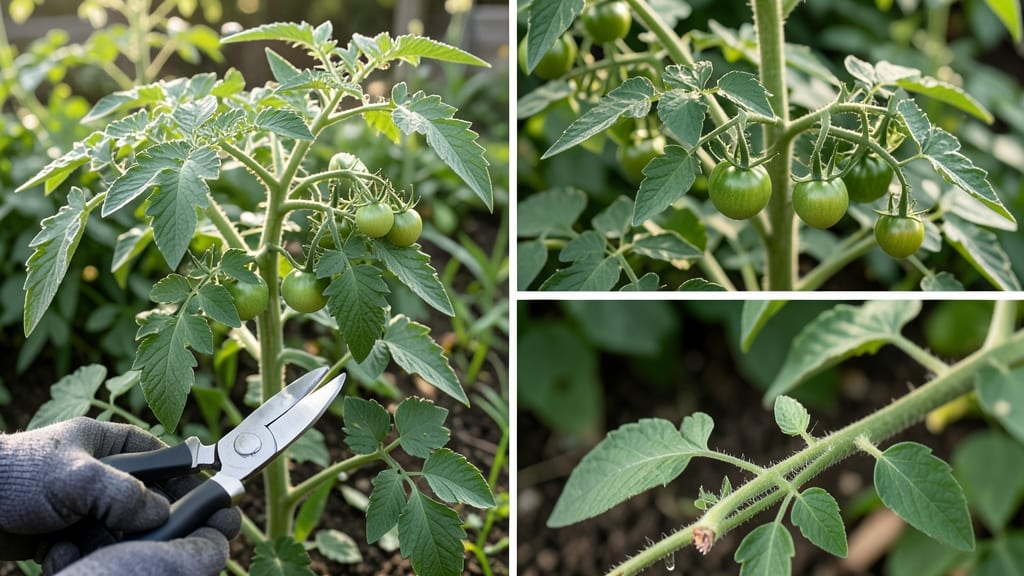
Thinning in gardening means removing excess seedlings or overcrowded plants to give remaining ones more space, nutrients, and sunlight, which improves growth, yield, and disease resistance. It’s a critical step for strong, healthy plants.
When you thin plants, you're essentially giving them room to breathe and grow stronger. 🌱 This process reduces competition for water and soil nutrients, allowing roots to expand deeper and absorb more of what they need.
For example, lettuce seedlings left too close will bolt prematurely, while properly thinned carrots grow straighter and sweeter. I always recommend thinning early—once seedlings have their first true leaves—to avoid stressing the plants later.
Thinning also boosts airflow around your plants, which is key for preventing fungal diseases like powdery mildew. The more space between plants, the less moisture lingers on leaves. Plus, it lets sunlight reach all sides of the plant, leading to better photosynthesis and stronger stems.
Think of it as creating a healthier environment for your garden's stars to shine.
💡 In This Article
- Why Thinning Seedlings Improves Plant Growth
- Step-by-Step Guide to Thinning Vegetable Seedlings
Why thinning seedlings improves plant growth
Thinning seedlings creates space for roots to spread and access nutrients more efficiently. When seedlings compete for water and minerals, they develop shallow root systems that struggle to support strong growth.
For instance, carrots need 2-3 inches of space between plants to grow straight and sweet—crowding them leads to twisted, bitter roots. The same principle applies to leafy greens like lettuce, where overcrowding triggers early bolting (flowering) instead of leaf production.
Sunlight plays a critical role too. Plants in crowded conditions grow tall and leggy, stretching toward light but producing weak stems. Proper spacing ensures even light exposure, which boosts photosynthesis by up to 30% in some crops.
For example, thinning basil from 6 inches to 12 inches apart increases leaf yield and prevents powdery mildew by improving airflow. The science is clear: more light = stronger stems and higher-quality produce.
Nutrient competition is another key factor. Soil nutrients like nitrogen and phosphorus get depleted faster when too many plants share the same space. Thinning reduces this stress, allowing roots to explore deeper soil layers.
I’ve seen tomato seedlings go from stunted 6-inch plants to 2-foot giants within weeks after thinning—all because they had room to develop robust root networks.
Disease prevention is often overlooked but equally important. Crowded plants trap moisture, creating ideal conditions for fungal infections like damping-off. Thinning improves airflow, drying leaves faster and reducing pathogen spread.
For instance, thinning pepper seedlings from 1 inch to 18 inches apart cuts disease risk by nearly 50% while improving fruit production.
Timing matters too. The best time to thin is when seedlings have 2-4 true leaves—this balances early competition control with minimal stress. Delaying thinning forces plants to compete longer, leading to weaker growth.
For example, thinning radishes at 1 inch apart when they’re 1 inch tall ensures they grow straight and crisp, rather than forking or turning woody.
Think of thinning as giving your plants a fresh start. It’s not just about removing extras—it’s about creating an environment where each plant can thrive. The right spacing turns a chaotic seedling bed into a productive garden. 🌿