
Planting
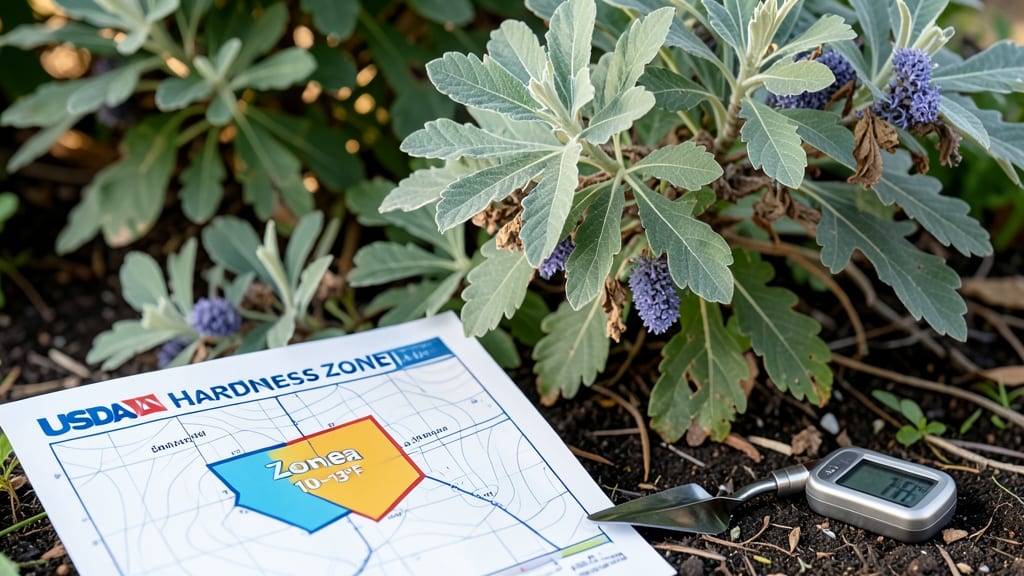
To determine the gardening zone for Dallas, Texas, it falls under USDA Hardiness Zone 8a, where winter lows typically range between 10°F and 15°F (-12°C to -9°C). This classification directly influences which plants thrive year-round in the region.
Understanding your gardening zone helps you select plants that can handle Dallas's mild winters and hot summers. 🌿 Zone 8a means you can grow a wide variety of warm-season crops like tomatoes, peppers, and citrus trees, but you'll need to protect tender plants during occasional cold snaps.
The longer growing season also allows for multiple harvests of vegetables and flowers, making it ideal for both novice and experienced gardeners.
Dallas's urban heat island effect can create microclimates where temperatures are slightly warmer than rural areas, which may allow for slightly more heat-tolerant plants. This means you might successfully grow plants rated for Zone 8b or even 9a in certain spots around your yard.
Always check local frost dates and monitor weather forecasts to adjust your planting schedule accordingly.
💡 In This Article
- How USDA Zone 8a Affects Plant Selection in Dallas
- Best Planting Calendar for Dallas Gardens by Season
How USDA Zone 8a affects plant selection in Dallas
Dallas's classification as USDA Zone 8a means your garden experiences 10°F to 15°F (-12°C to -9°C) as its coldest winter temperatures, creating a unique balance between warmth and frost risk.
This temperature range allows you to grow warm-season staples like tomatoes, peppers, and citrus trees that would freeze in colder zones. The extended growing season—typically 240 to 270 frost-free days—gives you flexibility to plant earlier in spring and later in fall compared to northern regions.
The urban heat island effect in Dallas can push microclimates into Zone 8b or even 9a in some areas, where temperatures stay slightly warmer due to pavement and buildings retaining heat.
This means you might successfully grow olive trees, bougainvillea, or figs in sheltered spots, even though they’re technically rated for warmer zones. However, occasional cold snaps (like the 2021 winter freeze) can still damage tender plants, so always monitor forecasts and use frost cloths for sensitive varieties.
Zone 8a also supports perennial plants like roses, lavender, and hydrangeas, which thrive with minimal winter protection. The key is choosing varieties that match your last frost date (around March 15 in Dallas) and first frost date (typically November 15).
For example, sweet potatoes and okra flourish in this zone, while cool-season crops like kale or broccoli need protection from summer’s 95°F+ (35°C+) heat.
Soil temperature matters too—most seeds need 60°F (15°C) to germinate, which Dallas hits by mid-February in most years.
However, heavy clay soils common in the area can stay cold longer, so raised beds or black plastic mulch help warm the soil faster. 🌱 This is why winter squash and melons often require row covers until the ground heats up.
For fruit trees, Zone 8a supports peach, plum, and fig varieties that tolerate brief cold snaps. But apples and pears (which need Zone 5-7) struggle here unless you plant cold-hardy cultivars like Arabian or Redhaven peaches.
The same logic applies to ornamental grasses—some varieties like Miscanthus thrive year-round, while others may need winter mulch.
One common mistake is assuming all Zone 8a plants are low-maintenance. Citrus trees, for instance, need winter protection (like wrapping trunks or moving pots indoors) during rare freezes. The same goes for tropical plants like hibiscus, which can survive Dallas summers but may need greenhouse conditions in winter.
Always check a plant’s chill-hour requirements—some need 200-500 hours below 45°F (7°C) to fruit properly.