
Tools
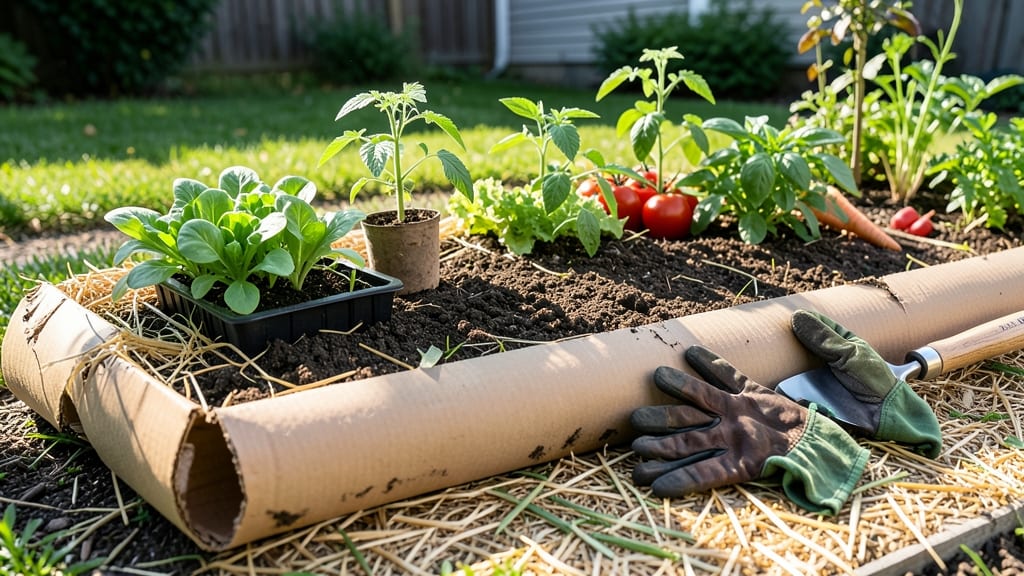
Lasagna gardening is a no-dig method that builds fertile garden beds by layering organic materials like cardboard, compost, and mulch to create rich soil through natural decomposition.
This technique mimics how compost piles work in nature, where carbon-rich "browns" (like leaves or straw) balance nitrogen-rich "greens" (such as grass clippings or manure).
Over time, these layers break down into dark, crumbly soil that retains moisture and supports robust plant growth. 🌱 The beauty of lasagna gardening lies in its simplicity—no heavy digging required, just strategic layering that improves soil structure while reducing waste.
It's especially effective for beginners or those with poor-quality soil, as it transforms barren areas into productive garden spaces within just a few months.
The process also prevents soil compaction and erosion, making it ideal for sloped areas or regions with heavy rainfall. Many gardeners appreciate how it repurposes yard waste and kitchen scraps, turning potential trash into valuable garden resources.
For best results, start with a thick layer of cardboard to smother weeds, followed by alternating layers of nitrogen and carbon sources, topped with mulch to retain moisture and regulate temperature.
💡 In This Article
- How Lasagna Gardening Builds Soil Naturally
- Best Materials for Lasagna Garden Layers
How lasagna gardening builds soil naturally
Lasagna gardening works by replicating natural forest floor decomposition, where fallen leaves and organic matter gradually break down into nutrient-rich humus. The process relies on two key components: carbon-rich "brown" materials (like dried leaves or straw) and nitrogen-rich "greens" (such as grass clippings or coffee grounds).
When layered together, these materials create the perfect environment for soil microbes and earthworms to thrive, accelerating the transformation into fertile soil. Unlike traditional digging, which disrupts soil structure, this method preserves beneficial organisms while adding organic matter to compacted or poor-quality soil.
The decomposition science behind this technique involves aerobic breakdown, where oxygen supports microbial activity that converts organic matter into humus. Each layer acts like a sandwich—starting with a thick cardboard base to block weeds, followed by alternating layers of browns and greens in roughly 3-inch thick sections.
For example, a layer of straw (brown) paired with a layer of manure (green) creates an ideal carbon-to-nitrogen ratio of about 30:1, which prevents foul odors while promoting rapid decomposition.
Over 3-6 months, these layers compress into dark, fluffy soil with improved water retention and aeration, making it ideal for root growth.
One of the most significant benefits is how this method enhances soil structure by increasing porosity, which improves drainage and reduces compaction. Traditional tilling can destroy soil aggregates, but lasagna gardening builds them naturally through the breakdown of organic layers.
The resulting soil holds moisture better than conventional garden beds, reducing the need for frequent watering. For instance, a lasagna bed can maintain moisture for 2-3 weeks longer than tilled soil, which is especially valuable in drought-prone areas.
The process also warms up faster in spring, giving plants a head start on the growing season.
Microbial activity is the hidden hero of lasagna gardening. The diverse community of bacteria, fungi, and protozoa in the layers breaks down complex organic compounds into plant-available nutrients like nitrogen, phosphorus, and potassium.
Unlike chemical fertilizers, which provide a quick but temporary boost, lasagna gardening creates a slow-release nutrient system that feeds plants over time. For example, a well-built lasagna bed can supply nutrients for 2-3 years without additional amendments, making it a sustainable approach for long-term garden health.
Seasonal timing plays a role in optimizing results. Starting in early spring or late summer allows the layers to decompose before the first frost, while avoiding extreme heat that can dry out materials.
In colder climates, gardeners often begin in spring to take advantage of warmer soil temperatures that accelerate microbial activity. The key is to monitor moisture levels—layers should stay damp but not soggy, as excess water can create anaerobic conditions that slow decomposition and produce unpleasant odors.
A simple test is to press your hand into the layers; if water beads up, they're too wet.
What makes this method particularly effective is its adaptability to various soil types. Whether you're working with heavy clay that drains poorly or sandy soil that loses nutrients quickly, lasagna gardening creates an ideal growing medium.
For example, in clay soil, the organic layers improve drainage by creating air pockets, while in sandy soil, they add moisture retention. The technique also suppresses weeds naturally by blocking light to their seeds, reducing the need for herbicides.
Over time, the improved soil structure supports deeper root systems, leading to healthier, more productive plants.
The long-term benefits extend beyond the garden. By repurposing yard waste and kitchen scraps, lasagna gardening reduces landfill contributions while creating a closed-loop system where organic materials are recycled into valuable resources.
This approach aligns with regenerative agriculture principles, where the goal is to build soil health rather than deplete it. For gardeners, the payoff comes in the form of reduced labor—no tilling, fewer amendments, and less watering—while achieving superior growing conditions that even high-maintenance plants like tomatoes and peppers thrive in.