
Planting
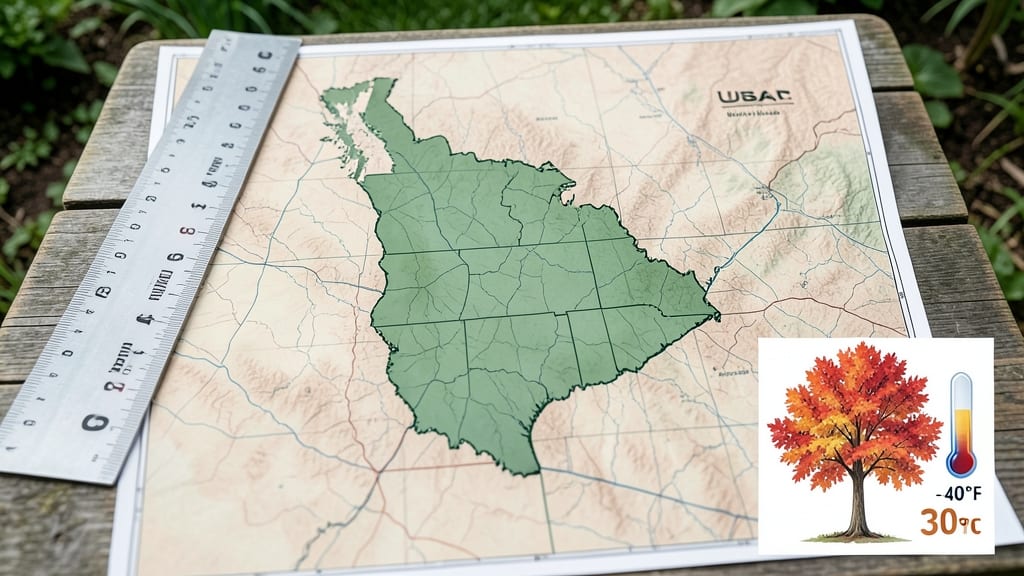
Michigan's gardening zones range from 4 through 6, with the Lower Peninsula primarily in Zones 5b-6a and the Upper Peninsula typically falling into Zones 4a-5a, which directly affects what plants thrive and when to plant them.
Michigan's varied geography creates distinct gardening conditions.
The Lower Peninsula's warmer zones (5b-6a) allow for longer growing seasons and a wider variety of plants, while the Upper Peninsula's colder zones (4a-5a) demand hardier varieties and earlier planting schedules. 🌱 Understanding these zones helps you choose the right plants and plan your garden layout for maximum success, whether you're growing vegetables, perennials, or shrubs.
For example, Zone 6a in southern Michigan lets you plant tomatoes as late as mid-May, while Zone 4a in the Upper Peninsula may require starting them indoors by early April.
The USDA zones also help predict frost dates, which is critical for protecting tender plants during late spring or early fall.
This zone information isn't just about what grows—it's about when to plant, how to protect your garden, and which varieties will thrive in your specific location.
Whether you're a beginner or a seasoned gardener, knowing your zone gives you a head start on creating a flourishing garden that matches Michigan's diverse climate.
💡 In This Article
- Michigan’s USDA Plant Hardiness Zones Explained
- Best Plants for Michigan Gardening by Zone
Michigan’s USDA plant hardiness zones explained
Michigan’s gardening zones reflect its dramatic climate shifts, shaped by the Great Lakes and continental weather patterns. The Lower Peninsula’s Zones 5b-6a experience average annual minimum temperatures of -10°F to 0°F, while the Upper Peninsula’s Zones 4a-5a drop to -30°F to -15°F.
These differences stem from the Upper Peninsula’s northern latitude and proximity to Canada, which introduces colder Arctic air masses. The Great Lakes also create microclimates—areas near water bodies like Lake Michigan stay 2-5°F warmer than inland regions due to the lakes' heat-retaining capacity.
The zone boundaries aren’t rigid lines but gradual transitions influenced by elevation and urban heat islands. For instance, Detroit (Zone 6a) enjoys 100-120 frost-free days, while Marquette (Zone 5a) sees only 80-100 days. These frost dates determine when to plant warm-season crops like tomatoes or peppers.
The USDA zones also help explain why some plants thrive in southern Michigan but struggle in the Upper Peninsula—like hydrangeas, which may need winter protection in Zone 4a but flourish unprotected in Zone 6a. 🌿
Understanding these zones directly impacts your garden’s success. For example, Zone 5a’s -20°F winter lows mean tender perennials (like lavender) must be mulched or planted in sheltered spots, while Zone 6a’s milder winters allow more diverse plantings.
The Upper Peninsula’s shorter growing season also requires earlier starts for vegetables—seeds often go in 2-3 weeks before the last frost compared to southern Michigan. Even within zones, elevation matters: hillsides can be 1-2°F colder than valleys due to cold air settling.
Here’s how the zones break down practically:
- Zone 4a (Upper Peninsula): Expect -30°F winters; focus on cold-hardy plants like kale, rhubarb, and Siberian peppers
- Zone 5a/b (Northern Lower Peninsula): -20°F to -10°F winters; ideal for apples, blueberries, and hardy roses
- Zone 6a (Southern Lower Peninsula): 0°F to -10°F winters; supports figs, grapes, and tender perennials with winter protection
Microclimates add another layer—south-facing walls can extend a garden’s growing season by 1-2 weeks compared to north exposures. Urban areas like Ann Arbor (Zone 6a) may feel slightly warmer than rural zones due to concrete absorbing heat. This is why gardeners in Zone 5b might successfully grow Zone 6 plants in microclimates but need to protect them during cold snaps. 🌡️
The USDA zones also predict first and last frost dates, critical for timing plantings. In Zone 4a, the last frost typically occurs around May 15, while Zone 6a sees it by April 20.
These dates shift yearly, so local weather stations or Michigan State University Extension resources provide updated guidance. For instance, a late frost in May can devastate tomato plants if not protected—this is why gardeners in Zone 5a often wait until May 30 before planting warm-season crops.
Knowing your zone isn’t just about survival—it’s about optimization. A Zone 6a gardener can experiment with peaches or kiwis, while a Zone 4a gardener focuses on cold-hardy varieties like 'Northern Spy' apples or 'Concorde' grapes.
The zones also explain why some plants (like dahlias) need to be dug up and stored in colder zones but can overwinter in Zone 6a. By aligning your plant choices with these climate realities, you’ll create a garden that thrives year after year. 🌱