
Planting
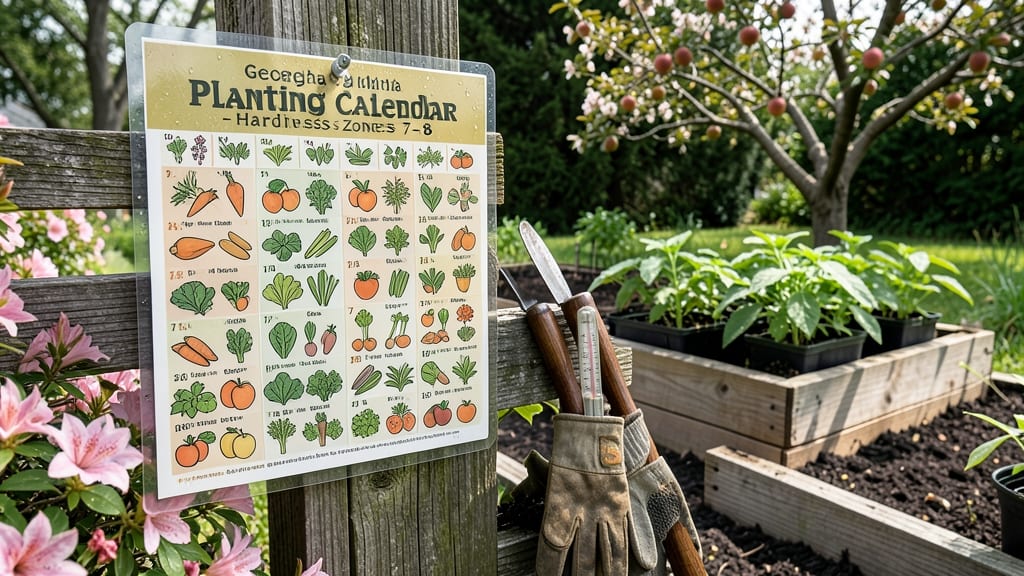
To plant a garden in Georgia, time your sowing between late February and early April for spring crops—or August to early September for fall harvests 🌱.
Georgia’s warm climate and long growing season make it a gardener’s paradise—but planting at the wrong time can mean wasted seeds and stunted crops. Timing is everything, especially in USDA Zones 7a and 7b, where last frost dates vary by region and can shift yearly.
Cool-season plants like broccoli and spinach thrive when seeded 4-6 weeks before the last frost, while warm-season favorites such as tomatoes and peppers need to wait until 2-3 weeks after that date. Miss the window, and you risk bolting greens or heat-stressed seedlings.
Below, I break down exact planting deadlines by region, how to adjust for microclimates, and which crops to prioritize each month—so you can maximize your harvest without the guesswork.
Georgia’s last frost dates by region: exact planting windows for USDA Zones 7a/7b
Georgia’s USDA Zones 7a and 7b offer gardeners a 210-day frost-free growing season, but exact last frost dates vary dramatically by region. North Georgia (Zone 7a) typically sees its last frost around March 15, while South Georgia (Zone 7b) often warms up by March 1.
Atlanta falls somewhere in between, usually around March 10. These differences mean your planting windows for warm-season crops like tomatoes and peppers can shift by weeks!
Understanding these regional differences helps you avoid frost damage to tender seedlings. For example, planting okra or sweet potatoes too early in North Georgia risks killing young plants, while waiting too long in South Georgia means missing the optimal summer heat these crops crave.
Microclimates—like urban heat islands in Atlanta—can also push frost dates back by 5-7 days compared to rural areas.
🌱
| Region | USDA Zone | Avg. Last Frost | Warm-Season Planting Window | Cool-Season Planting Window |
|---|---|---|---|---|
| North Georgia (e.g., Blue Ridge) | 7a | March 15 | April 1 - April 15 | August 15 - September 1 |
| Atlanta Metro Area | 7a/7b | March 10 | March 25 - April 5 | August 1 - August 15 |
| South Georgia (e.g., Savannah) | 7b | March 1 | March 15 - March 30 | July 30 - August 10 |
| Urban Heat Islands (Atlanta) | 7b | March 5 | March 20 - April 1 | July 25 - August 5 |
To refine your planting schedule, check the University of Georgia Extension’s frost data or use local weather apps like NOAA’s Climate Data. For example, if you’re in Zone 7a and want to grow basil or cucumbers, wait until April 1 to avoid frost.
In Zone 7b, you can start tomatoes outdoors by March 20—but monitor nighttime temps, which can still dip below 32°F in early spring.
For cool-season crops like kale or spinach, plant 4-6 weeks before your last frost. In North Georgia, that means February 15, while South Georgia gardeners can wait until January 15.
Fall planting follows a similar rule: aim for August-September to harvest before the first frost in mid-November. In Atlanta’s urban areas, the heat island effect can delay first frost by up to 10 days, giving you extra time for late-season harvests.
🌿
Adjust your schedule if you notice historical frost trends shifting. For instance, 2023 saw later frosts in parts of North Georgia due to La Niña patterns, pushing last frost dates into late March.
To stay ahead, use row covers or cold frames for early plantings or opt for heat-tolerant varieties like ‘Celebrity’ tomatoes, which thrive in Georgia’s summer heat.
For herbs, basil and cilantro are classic examples: basil needs warm soil (60°F+) and can’t tolerate frost, while cilantro bolts in heat—so plant it in fall for best results.
Pro tip: Use succession planting to maximize your garden. In Atlanta, you might plant lettuce every 2 weeks from February to September, ensuring a continuous harvest. For warm-season crops, stagger plantings of okra or peppers every 2-3 weeks to extend your harvest window.
This works especially well in Zone 7b, where the
Best plants to grow in Georgia by season: month-by-month planting calendar
Georgia’s long growing season and mild winters create perfect conditions for year-round gardening—but success hinges on planting at the right time. Cool-season crops like broccoli and spinach thrive in spring and fall, while heat-lovers such as okra and sweet potatoes dominate summer.
Even perennials like rosemary and lavender flourish with proper timing, ensuring continuous harvests and minimal waste.
To simplify, I’ve broken down the best plants for each month, accounting for Georgia’s USDA Zones 7a/7b and regional frost variations.
Whether you’re a beginner gardener or a seasoned pro, this calendar helps you maximize yields while avoiding common pitfalls like bolting greens or wilting tomatoes from heat stress.
- 1. February-March (Cool-Season Start): Plant broccoli, spinach, carrots, and onions 4-6 weeks before last frost (typically mid-March). Start herbs like parsley indoors for early transplants.
- 2. April (Warm-Up Transition): Sow peas and lettuce early in the month. After last frost (usually late March-early April), transplant tomatoes, peppers, and eggplants. Direct-sow beans and squash after soil warms to 60°F.
- 3. May-June (Peak Summer Prep): Plant okra, sweet potatoes, and Southern peas (e.g., cowpeas). Succession-plant bush beans every 2 weeks for continuous harvests. Transplant basil and cucumbers after Memorial Day.
- 4. July-August (Heat Tolerance): Focus on heat-resistant greens like malabar spinach and Swiss chard. Start fall broccoli and cabbage indoors in late July for September transplants. Mulch heavily to retain moisture for tomatoes and peppers.
- 5. September (Fall Revival): Plant cool-season crops like kale, collards, and turnips for winter harvests. Transplant garlic in late September for next year’s crop. Direct-sow radishes and spinach for quick fall harvests.
- 6. October-November (Perennials & Prep): Divide and transplant perennials like asparagus and rhubarb. Plant winter herbs (e.g., thyme, oregano) and cover crops (e.g., clover) to protect soil. Avoid planting anything after first frost (typically mid-November).
For perennials, timing matters less—but spring and fall are ideal for dividing or transplanting. Rosemary, lavender, and sage thrive with minimal care once established, while asparagus benefits from a fall planting for year-two harvests.
Pro tip: Use black plastic mulch in summer to suppress weeds and retain moisture for heat-sensitive crops like cucumbers and squash.
Download my free Georgia Planting Quick-Reference Chart (link in resources) to track deadlines, soil temps, and succession planting schedules. Pair this with local frost data from the University of Georgia Extension for region-specific adjustments—North Georgia’s cooler microclimates may need 2-3 weeks earlier plantings than South Georgia’s warmer zones.
Start with one season to master timing, then expand. Before you know it, you’ll be harvesting homegrown tomatoes in May and kale in December—all thanks to strategic planting tailored to Georgia’s unique climate. 🌿