
Pruning
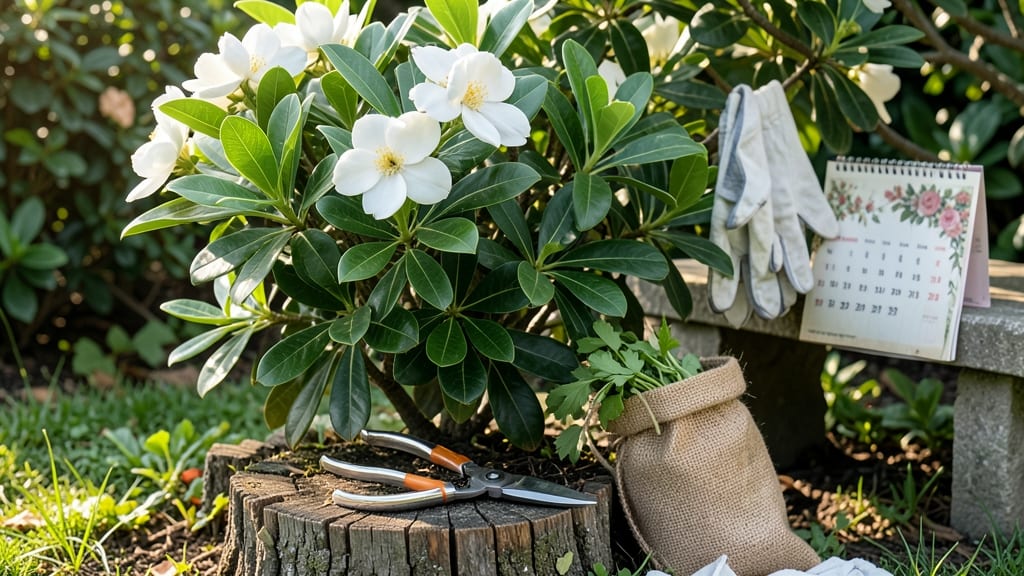
The best time to prune gardenias is late winter, when the plant is dormant but before new growth begins—this timing sets the stage for stronger blooms and healthier foliage.
Struggling to keep your gardenias blooming beautifully? The timing of your pruning could be the secret weapon you’ve been missing—late winter is the perfect window, but why? And what mistakes could ruin your plants?
Most gardeners wait until spring, but pruning too late can cut off next year’s flower buds. In USDA Zone 9b, where gardenias thrive, late winter (around February) gives your 🌸 shrubs a head start on recovery while avoiding the stress of summer heat.
Below, I’ll walk you through the exact steps—from tools to techniques—and how to adjust for your climate, so you can enjoy more blooms without sacrificing plant health.
Why late winter is the optimal time to prune gardenias (and how to spot the signs)
If your gardenias are struggling to produce those fragrant, creamy-white blooms year after year, the issue might be when you're pruning them. Late winter is the golden window for this task, but understanding why it works—and how to spot the perfect moment—can transform your plant's health.
The science behind this timing lies in dormancy cycles and growth triggers that gardenias rely on to bounce back stronger.
Gardenias enter a natural dormant phase during late winter, a period when they've stopped actively growing but haven't yet begun their spring awakening. Pruning during this transition phase removes dead or weak growth while allowing the plant to redirect energy into new, vigorous shoots as temperatures rise.
This strategic timing also minimizes stress, as the plant isn't flowering or setting buds—both processes that pruning could disrupt.
One of the most critical visual cues to determine readiness is the appearance of leaf buds along the stems. These tiny, swollen nodes signal that the plant is preparing to break dormancy. If you see 3-5 buds per stem but no active leaf growth, it's time to prune.
Another key indicator is temperature thresholds: aim for days when daytime temps consistently stay above 50°F (10°C) but nights remain cool (40°F/4°C).
Regional variations play a huge role in timing. In warmer climates (USDA Zones 9-11), late winter might mean February or early March, while cooler zones (7-8) should wait until March or even April.
The goal is to prune 2-4 weeks before your area's last frost date, giving the plant time to heal before new growth faces potential cold snaps. Coastal areas with milder winters can often prune earlier than inland regions.
Here’s the science-backed breakdown of why late winter pruning works best for gardenias, along with the key signs to watch for:
| Factor | Optimal Condition | What to Look For |
|---|---|---|
| Plant State | Dormant but pre-sprouting | Leaf buds swollen (not yet open) |
| Temperature | 50-60°F (10-15°C) days | No frost risk; nights below 40°F (4°C) |
| Growth Stage | Pre-bloom, post-winter | No active flowers or buds |
| Regional Timing | Zones 7-8: March-April | Zones 9-11: February-March |
| Post-Prune Care | High humidity, shade | Mulch base; avoid fertilizer |
Pruning at this stage also stimulates stronger blooming later in the season. Gardenias produce flowers on new wood, meaning the branches you encourage now will bear next year's blooms.
If you prune too early (like in deep winter), you risk cutting back growth that could have supported early flowers. Conversely, pruning too late—after buds form—can remove potential blooms entirely.
Another visual cue to watch for is the plant's overall appearance. Healthy gardenias should have firm, green stems with no mushy or discolored sections. If you notice yellowing leaves or bare stems, these are signs of over-pruning in previous seasons.
Late winter is your chance to correct past mistakes while giving the plant a clean slate for the growing season ahead.
Climate considerations can't be overstated. In humid coastal areas, prune slightly earlier to avoid fungal issues from prolonged moisture. In drier inland zones, wait until you've seen consistent signs of bud swelling to ensure the plant has enough reserves for recovery.
Always sterilize your tools with rubbing alcohol before cutting to prevent bacterial infections, which are more likely when plants are stressed.
Remember, the goal isn't just to cut back growth—it's to shape the plant's future. By pruning in late winter, you're not just tidying up; you're setting the stage for a summer of lush foliage and fragrant blooms.
Pay attention to those leaf buds, monitor your local temperature trends, and you'll have gardenias that thrive for years to come.
🌸
Step-by-step late winter pruning guide: tools, techniques, and critical mistakes to avoid
Pruning your gardenias in late winter is like giving them a fresh start—just as new growth begins, but before the blooming season peaks. This is when your shrubs are dormant, making it easier to shape them without stressing the plant.
But timing isn’t the only factor; sterilized tools and proper cutting techniques are just as critical to avoid disease and promote vigorous growth.
Start by gathering your pruning tools: sharp bypass pruners for clean cuts, loppers for thicker branches, and a sanitizing solution (like rubbing alcohol or bleach water) to sterilize between cuts. Dead or diseased wood should be removed first—this prevents fungal spread and improves airflow.
Next, focus on thinning out crowded branches to encourage air circulation and reduce humidity-related issues like powdery mildew.
⚠️ callout warning ⚠️
⚠️ Critical Mistake: Pruning at the Wrong Time
Pruning gardenias during their blooming season (spring/summer) can reduce next year’s flowers. Late winter is ideal because it allows the plant to recover before spring growth. Avoid cutting back after flowering—this removes next year’s flower buds.
🌱 Pro Tip: If you missed late winter, wait until right after blooming (early summer) for minimal impact.
When making cuts, aim for a 45-degree angle just above a leaf node or outward-facing bud. This encourages growth in the right direction and prevents water from pooling on the cut.
For larger branches, use three-cut pruning: make the first cut underneath, the second cut above, and finish with a clean cut to avoid tearing the bark.
One of the biggest mistakes gardeners make is over-pruning. Never remove more than one-third of the plant’s foliage at once—this can shock the shrub and leave it vulnerable to pests or disease.
Instead, shape gradually over a few years. Also, avoid cutting into old wood (wood older than 3 years), as gardenias struggle to regrow from these areas.
After pruning, water deeply to help the plant recover and apply a layer of mulch around the base to retain moisture and regulate soil temperature. In the weeks following, monitor for new growth—this is a sign your pruning was successful.
If you notice yellowing leaves or stunted growth, you may have pruned too late or too aggressively.
Finally, sterilize your tools again after finishing to prevent cross-contamination if you move on to other plants. Store your pruners in a dry place, and sharpen them before your next pruning session. With these steps, your gardenias will reward you with lush foliage and abundant blooms next season. ✂️