
Planting
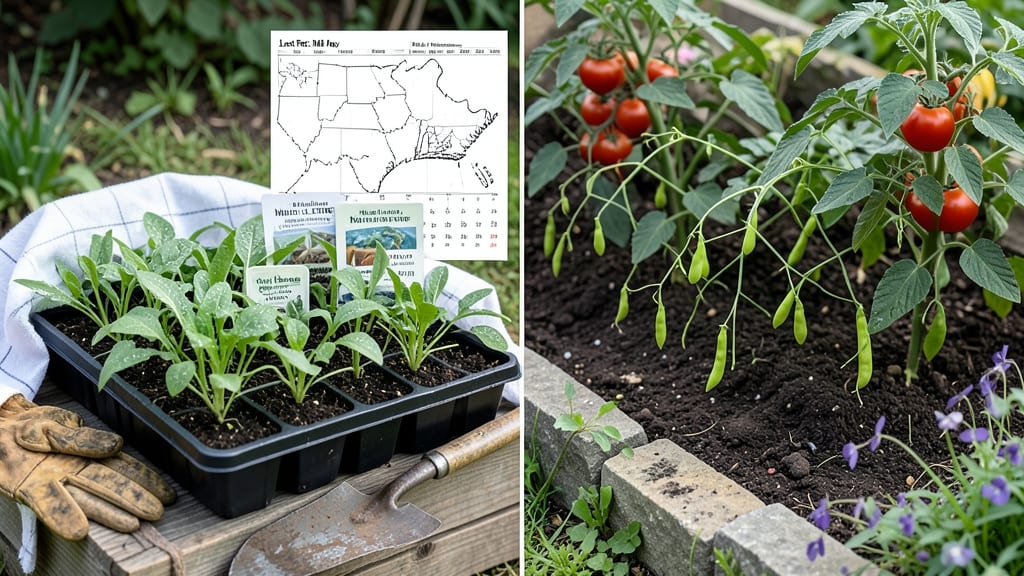
Planting your garden in Michigan at the right time means the difference between a bountiful harvest and a wasted season—and the clock starts with those elusive frost dates.
Michigan’s unpredictable frost dates can turn a thriving garden into a disappointing gamble—unless you plant at the perfect time. Whether you’re in the Upper Peninsula’s cooler Zone 5b or the warmer Zone 6b of the Lower Peninsula, timing is everything.
One week too early, and a late frost wipes out your seedlings; too late, and your summer crops bolt before they even set fruit.
This guide gives you the exact planting windows for your Zone 5b-6b garden, from cool-season greens in spring to fall crops that thrive as temperatures dip.
We’ll break down frost-free dates, soil temperature tricks, and how to stretch your growing season—so you can enjoy fresh tomatoes in July and kale in October.
Ready to avoid the common mistakes? You’ll learn how to read Michigan’s frost maps, adjust for microclimates (like urban heat islands), and even use row covers to cheat the system. Let’s get your 🌱 General Vegetable Garden off to the best start possible.
Michigan’s frost dates and ideal planting windows by month
Michigan’s Zone 5b-6b climate means frost dates vary dramatically between the Upper Peninsula and Lower Peninsula. The average last frost in southern Michigan arrives around April 15, while northern regions can wait until May 10.
Similarly, the first frost hits southern areas by October 15, but northern gardens may see frost as early as September 20.
These variations make timing critical—plant too early, and a late frost will kill tender seedlings. Too late, and your summer crops won’t mature before winter. Understanding your microclimate (urban vs. rural, lake effect, elevation) can shift your planting window by 2-3 weeks either way.
| Month | Last Frost (Avg.) | First Frost (Avg.) | Plant Cool-Season Crops | Plant Warm-Season Crops | Harvest Time |
|---|---|---|---|---|---|
| March | N/A | N/A | Indoor starts (spinach, lettuce) | None | Winter greens |
| April | Mid-April (Lower MI) | N/A | Peas, spinach, kale | After last frost (tomatoes, peppers) | Onions, leeks |
| May | Late May (Upper MI) | N/A | Lettuce, radishes | Cucumbers, beans | Early peas, spinach |
| June | N/A | N/A | Late lettuce, carrots | Sweet corn, squash | Strawberries, early tomatoes |
| July | N/A | Late Sept (Upper MI) | None (too hot) | Pumpkins, winter squash | Peppers, eggplant |
| August | N/A | Mid-Oct (Lower MI) | Broccoli, cabbage | None (focus on fall crops) | Late tomatoes, beans |
| September |