
Picking
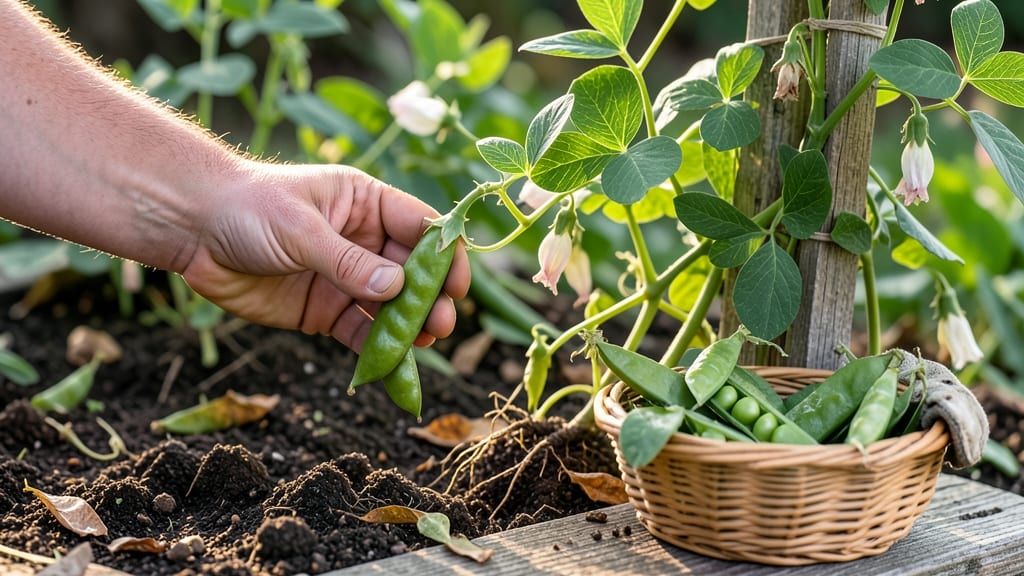
Harvest garden peas when pods are 2 to 2.5 inches long and just beginning to swell—this is the sweet spot for tender, flavorful peas 🌱.
Picking too early means tiny, underdeveloped peas, while waiting too long turns them tough and mealy. I’ve learned the hard way that timing is everything—miss it, and you’ll end up with a garden full of overripe pods that taste like rubber.
Beyond size, watch for firmness and color: pods should feel slightly soft when gently squeezed, with peas visible through the skin. Environmental factors like cool spring temperatures can slow ripening, so check your peas every 2 to 3 days once they start forming.
In this guide, I’ll break down the exact visual cues to look for, how often to harvest for continuous production, and why skipping harvests can actually reduce your yield. Ready to turn your garden into a pea-picking powerhouse?
How to check garden pea pod size for perfect harvest timing
Timing your garden pea harvest is an art—just a few days too early or late can mean the difference between sweet, tender peas and tough, stringy pods. The key lies in pod size, color, and texture, all of which signal when your peas are ready to pick.
I’ve learned that checking these three factors together gives the most accurate picture of ripeness, especially for varieties like Sugar Snap or Snow Peas.
Pea pods typically reach harvest readiness between 60-80 days after planting, but visual cues are more reliable than counting days. For example, Snap Peas should be harvested when they’re about 2-2.5 inches long and slightly swollen, while Snow Peas are ready when they’re flat but still tender.
Ignoring these signs often leads to overripe pods that turn woody or underripe ones that stay hard and flavorless.
Here’s how to tell if your peas are perfectly ripe by examining their length, thickness, and color—plus a quick comparison to avoid common mistakes:
| Ripeness Stage | Pod Length | Pod Thickness | Pod Color | Peas Inside | Texture |
|---|---|---|---|---|---|
| Underripe | 1 inch or less | Very thin | Bright green | Not visible | Hard, crunchy |
| Perfectly Ripe | 2-2.5 inches | Slightly swollen | Dull green | Visible, plump | Firm but yielding |
| Overripe | 3+ inches | Thick, woody | Yellowing | Shriveled | Tough, stringy |
When I first started growing peas, I made the mistake of harvesting based on days after planting alone. But environmental factors like temperature and rainfall can delay or speed up ripening.
For instance, cooler spring temperatures might extend the time to maturity, while hotter weather can rush the process. Always cross-check with visual cues to avoid disappointment.
The color shift from bright green to a slightly duller green is a telltale sign of ripeness. Bright green pods are still immature, while pods turning yellow or brown are past their prime.
I also press the pod gently between my fingers—if it gives slightly, it’s ready. A hard pod means it’s too early, and a mushy one means it’s overripe.
For varieties like Mammoth Melting Sugar, pay extra attention to the pod’s curve. These should be harvested when they’re slightly curved but still straight enough to snap easily.
Overripe pods lose their snap and become fibrous, which is a shame because that’s what makes garden peas so satisfying to eat fresh!
Another trick I’ve learned is to check the peas inside the pod. Hold the pod up to the light—if you can see plump, rounded peas through the skin, they’re ready.
If the peas are barely visible or look shriveled, wait a few days. This method works especially well for Snow Peas, where the pods themselves are the prize.
Don’t forget to harvest in the morning when peas are cool and crisp. This is when their flavor is at its peak, and the pods are less likely to be damaged by heat. I also recommend harvesting every 2-3 days to encourage continuous production.
Peas left on the vine too long will stop producing, and the plant’s energy will shift to seed development instead of new pods.
If you’re growing dwarf varieties, like Little Marvel, they’ll ripen slightly faster than taller varieties. Keep an eye on them, as their pods can go from perfect to overripe in just a day or two.
For climbing varieties, focus on the lower pods first, as they tend to ripen before those higher up on the vine.
Finally, remember that seasonal variations play a role. Early spring plantings might have slower growth due to cooler soil temperatures, while late summer plantings could mature faster in warmer conditions. Adjust your expectations and always rely on the pod’s appearance rather than a fixed schedule.
Best practices for harvesting peas to maximize yield and flavor
Timing your garden pea harvest correctly ensures tender, sweet pods packed with flavor. I’ve learned that harvesting at the right stage isn’t just about size—it’s about the pod’s texture and the peas inside.
When you wait too long, those crisp pods turn tough and mealy, ruining the snap pea experience we all love.
Most garden pea varieties reach harvest readiness about 60-70 days after planting, but this varies by type. Sugar snap peas and snow peas, for example, need slightly different timing than shelling peas.
The key is to check pods every 2-3 days once they start forming, because once they’re past their prime, the plant’s energy shifts to seed production instead of pod development.
- Pod Size: 2-2.5 inches long
- Texture: Firm but slightly yielding when pressed
- Color: Bright green (not yellowing)
- Peas Inside: Visible through pod skin
To maximize your yield, I recommend harvesting every 2-3 days during peak production. This might seem frequent, but it encourages the plant to keep producing new pods.
If you let pods mature too long, the plant will stop flowering, and your harvest will dwindle quickly. Early morning harvests work best because the pods are cool and crisp after overnight dew.
Seasonal timing matters too. For spring plantings, aim to start harvesting in late May or early June, depending on your climate zone. If you’re growing a late summer crop, expect harvests to begin in September.
Always check the back of your pea seed packet for specific variety recommendations, as some types mature faster than others.
After harvesting, store peas in the refrigerator for up to 5-7 days in a perforated plastic bag. For longer storage, blanch and freeze them. The sooner you use or preserve your harvest, the better the flavor and texture will be.
I’ve found that peas harvested at their peak and used within a few days taste like sunshine in a pod!
One final tip: If you notice pods starting to yellow or the peas inside turning dark, it’s a sign they’ve overripe.
At this stage, the pods become tough and the peas lose their sweetness. Don’t wait too long! Regular checks and prompt harvesting are the secrets to a bountiful, flavorful pea harvest all season long. 🌱