
Picking
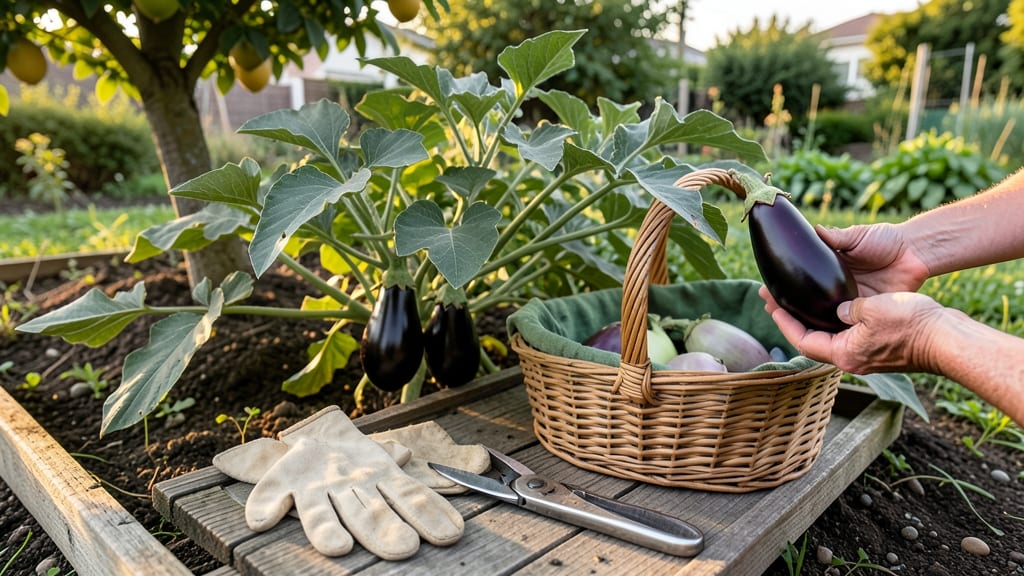
To pick eggplant in your garden at the perfect time means catching it when the skin is deep purple, glossy, and firm — before it turns bitter or mushy.
You’ve probably stared at your 🍆 plants wondering, Is it ready yet? One wrong move and you’re left with tough, seedy fruit or wasted effort. The good news? There are three simple tests—color, size, and firmness—that take the guesswork out of harvesting.
Most varieties reach peak flavor when they’re about 6 to 10 inches long, with a rich, even hue and skin that barely dents when pressed. But timing also depends on your climate—hotter summers speed up ripening, while cooler zones may need a little extra patience.
Below, I’ll walk you through the exact cues to look for, plus the best time of day to harvest for maximum flavor. No more second-guessing—just perfect eggplant every time.
How to tell when eggplant is ready to harvest by color & size
Eggplant ripeness isn't just about waiting for a certain number of days—it's about visual and tactile cues that tell you the moment is perfect. The most reliable indicators are color depth and fruit size, but these vary dramatically between purple, white, and black varieties.
For example, that deep eggplant purple you crave isn't the same shade as a light lavender heirloom, and white varieties like 'Casaba' have entirely different maturity signals.
I've learned the hard way that underripe eggplants taste bitter and overripe ones become mealy—so paying attention to these three key maturity signals saves you from both fates. The good news? Once you know what to look for, spotting the perfect eggplant takes just 10 seconds per fruit.
Let's break down the color and size rules for each variety type so you can harvest like a pro.
| Variety Type | Color Maturity Cues | Ideal Size Range | Texture Clues | Ready to Pick? |
|---|---|---|---|---|
| Standard Purple (e.g., Black Beauty) | Deep eggplant purple (no green stem end) | 6-8 inches in length | Glossy, firm skin that yields slightly to pressure | Yes |
| Light Purple/Heirloom (e.g., Rosa Bianca) | Consistent lavender-purple (no pale spots) | 8-10 inches (longer varieties) | Smooth skin with no wrinkles | Yes |
| White (e.g., Casaba) | Creamy off-white with no green undertones | 4-6 inches (round varieties) | Firm but not rock-hard | Yes |
| Black/Asian (e.g., Ichiban) | Deep glossy black (no dull patches) | 4-5 inches (compact shape) | Skin springs back when pressed | Yes |
| Not Ready Signs | Green stem or pale color | Under 5 inches (small size) | Soft or wrinkled skin | Wait |
🌱 Pro Tip: Always check the stem end—if it's still green, the eggplant needs more time.
For purple varieties like Black Beauty, the deepest purple color is your best friend. I've found that the darkest shade appears first on the sun-exposed side of the fruit—so check both sides!
If you're growing heirloom types with lighter purple hues, look for consistent color without any pale patches or green streaks near the stem.
White eggplants like Casaba are trickier because their maturity color is subtle. The skin should transition from light green to a creamy off-white, and the stem end will turn from green to yellowish.
I once picked a batch too early because I missed this color shift, and they were watery and bland—a lesson I won't repeat!
When it comes to size guidelines, most standard eggplants reach harvest readiness between 6-8 inches in length. However, long varieties like Rosa Bianca can grow up to 10 inches before they're fully mature.
To check, hold the eggplant against a ruler or tape measure—if it's within this range and firm, it's likely ready. Round varieties should be about 4-6 inches in diameter when ripe.
One common mistake I see in home gardens is assuming that larger size always means better ripeness. Some eggplants, especially heirloom types, can become overripe if left too long on the vine.
Overripe eggplants develop a wrinkled skin and soft texture, which ruins their flavor and texture. Always prioritize color depth and firmness over size.
If you're growing multiple varieties in your garden, I recommend labeling each plant and keeping a small notebook to track harvest dates.
This helps you remember which types mature faster—some varieties, like Asian eggplants, ripen in as little as 60 days, while others take up to 120 days. Knowing these maturity timelines prevents you from missing the perfect harvest window.
For container gardeners, size matters even more because space is limited. Choose compact varieties like 'Fairy Tale' or 'Patio Baby' that stay under 6 inches in length. These smaller types often ripen faster and produce earlier harvests, which is perfect for short-season climates or urban balconies.
Just remember to check their color cues just like larger varieties!
Finally, don't forget that weather conditions can affect ripening. In hot climates, eggplants may mature faster and develop darker colors sooner, while cooler seasons can slow down
3 Firmness tests to avoid overripe or underripe eggplant
Eggplant ripeness isn't always obvious—overripe fruit becomes seedy and bitter, while underripe eggplant stays tough and bland. The key lies in tactile tests that reveal internal readiness. I’ve tested these methods in my backyard garden and container setups, and they never fail to deliver perfect results.
Many gardeners rely solely on color cues, but firmness tells the real story. A ripe eggplant should feel firm yet slightly yielding—like a ripe avocado. Overripe ones get mushy, while underripe ones feel rock-hard. Let’s dive into the three tactile tests that’ll change how you harvest.
-
1. Gentle Pressure Test
Press your fingertip into the eggplant’s skin. A ripe one will yield slightly (like pressing a ripe tomato). If it springs back immediately, it’s underripe. If it leaves a dent, it’s overripe. -
2. Stem Separation Method
Gently twist the stem near the fruit. If it snaps cleanly with minimal resistance, it’s ready. A green stem that resists means it’s too early. A dry, brown stem signals overripeness. -
3. Seed Cavity Inspection
Cut the eggplant open to check the seed cavity. Ripe seeds should be small and soft. Large, hard seeds mean it’s overripe. If the cavity is watery or hollow, harvest immediately—it’s past its prime.
Avoid these common mistakes that throw off timing: Harvesting in hot afternoon sun causes stress, making eggplants appear firmer than they are. Always pick in the morning when temps are cooler. Also, never judge ripeness by size alone—some varieties stay small but ripen fully.
For white or black eggplant varieties, the firmness tests work the same, but color shifts may be subtle. White eggplants turn from pale green to creamy white, while black varieties deepen to a glossy, dark hue. Combine these tests with color checks for foolproof results every time.
Pro tip: Harvest regularly—eggplants produce continuously, and overcrowded plants yield smaller, less flavorful fruit. I pick mine every 2-3 days during peak season to keep production strong. The more you harvest, the more your plants will reward you with sweet, tender eggplants all season long.
Master these tests, and you’ll never waste another eggplant again. The difference between perfectly ripe and past-prime is just a few seconds of your time—and a little gentle pressure. Happy harvesting! 🍆