
Planting
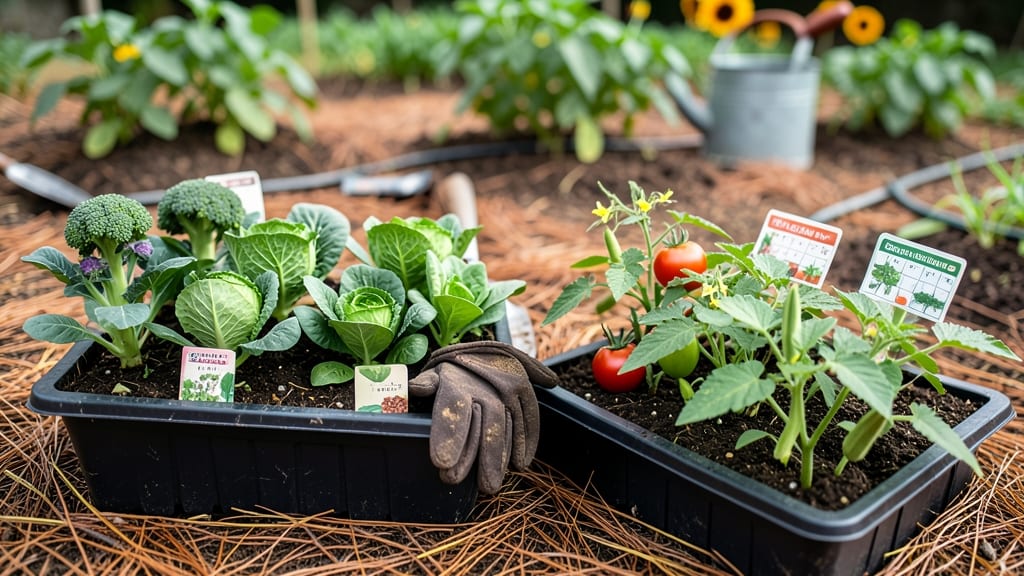
Planting a garden in South Carolina at the right time means the difference between a bumper crop and a sad, half-dead patch of dirt 🌱—and the window is narrower than you might think.
South Carolina’s mild winters and humid summers create a gardener’s paradise—but planting at the wrong time can mean wasted seeds and stunted growth. Whether you’re in Charleston’s coastal warmth or Greenville’s inland chill, timing matters.
Cool-season crops like lettuce and broccoli need to go in as soon as the soil is workable, while tomatoes and peppers wait until after the last frost—usually mid-March in the Lowcountry but closer to April in the Upstate.
Below, I break down the exact frost-free dates by county, how to adjust for your microclimate, and the three biggest mistakes that turn hopeful gardeners into frustrated ones by June.
South Carolina frost-free dates by county: the exact windows for planting vegetables
South Carolina’s diverse geography means frost-free dates vary dramatically from the coastal Lowcountry to the Upstate Piedmont. In Charleston, you might plant warm-season crops like tomatoes as early as February 15, while in Greenville, wait until April 1 to avoid frost damage.
These differences create 3-4 week windows for planting that can mean the difference between a bountiful harvest and wasted seeds.
Understanding your county’s average last frost date (based on 2024 climate data) helps you time warm-season crops like peppers and squash for peak growth. Meanwhile, cool-season crops such as lettuce and broccoli thrive when planted 4-6 weeks before the last frost.
Let’s break it down by county so you can plan with precision—whether you’re growing heirloom tomatoes in Berkeley County or heat-loving okra in Horry County.
In Charleston and Horry County, the coastal influence delays frost, giving you a longer growing season for crops like sweet potatoes and okra. Plant warm-season crops as early as mid-February and enjoy harvests well into November.
Meanwhile, inland counties like Greenville and Spartanburg experience later last frosts (early April) and earlier first frosts (late October), shrinking the window for heat-loving plants like peppers.
For cool-season crops, the opposite rule applies: plant 4-6 weeks before your last frost date.
In Charleston, that means late December to early February for spinach and kale, while in Greenville, wait until mid-March. Broccoli and cabbage thrive in these cooler windows, but avoid planting too early—bolting (premature flowering) ruins their flavor and texture.
Microclimates add another layer of complexity. A south-facing slope warms up
How to adjust planting times for south Carolina’s unique climate zones
South Carolina’s diverse climate zones—from coastal Charleston to the Piedmont’s Upstate—mean your tomatoes might thrive in April while your neighbor’s peppers need to wait until May. Understanding these microclimates lets you extend growing seasons and avoid wasted seeds.
For example, Charleston’s warmer coastal winds can push spring planting 2-3 weeks earlier than Greenville’s cooler inland areas.
One of my favorite tricks is using row covers to shield seedlings from late spring frosts that can hit as late as April in the Upstate. These lightweight fabrics add just 2-4°F protection and let sunlight through—perfect for cool-season crops like broccoli or kale.
I’ve seen spinach bolted by May heat, but with a row cover, it stays sweet until June harvests.
For heat-sensitive crops like okra or sweet potatoes, I always opt for heat-tolerant varieties suited to SC’s humid summers. Look for labels like ‘Clemson Spineless’ okra or ‘Georgia Jet’ peppers—these varieties handle 90°F+ temps better than standard types.
Pair them with drip irrigation to keep roots cool during July’s peak heat.
- 🌱 Start cool-season crops (lettuce, peas) 8-10 weeks before last frost—use row covers if nights dip below 35°F.
- ☀️ Warm-season plants (tomatoes, peppers) need soil temps above 60°F—wait until after May 15 in Upstate, April 15 in Lowcountry.
- ✂️ Prune spring-blooming plants (azaleas, peaches) after last frost to avoid late frost damage to new growth.
- 💧 Mulch heavily in June-August to retain moisture and protect roots from 90°F+ heatwaves.
- 🌿 Succession plant heat-lovers (okra, southern peas) every 2 weeks from June through August for continuous harvests.
Early spring can be tricky—those false starts with 60°F days followed by 30°F nights fool even experienced gardeners. I’ve learned to harden off seedlings gradually and keep them near heat sources (like south-facing windows) until soil warms.
For late summer, watch for heat stress signs like yellowing leaves on tomatoes—this often means it’s time to prune suckers and shade young plants with 30% shade cloth.
Don’t overlook fall planting—SC’s mild winters let you grow cool-season crops until November! I’ve had kale and radishes survive until Christmas with row covers and straw mulch. Start seeds indoors in September for October transplants, giving you fresh greens when winter squash winds down.
Pro tip: Use a soil thermometer—60°F+ is ideal for warm-season crops, while 50°F+ suits cool-season starters. My Upstate garden thrives with June plantings of collards, but my coastal plots can handle them as early as May. Adjust based on your microclimate, not just the county average.