
Planting
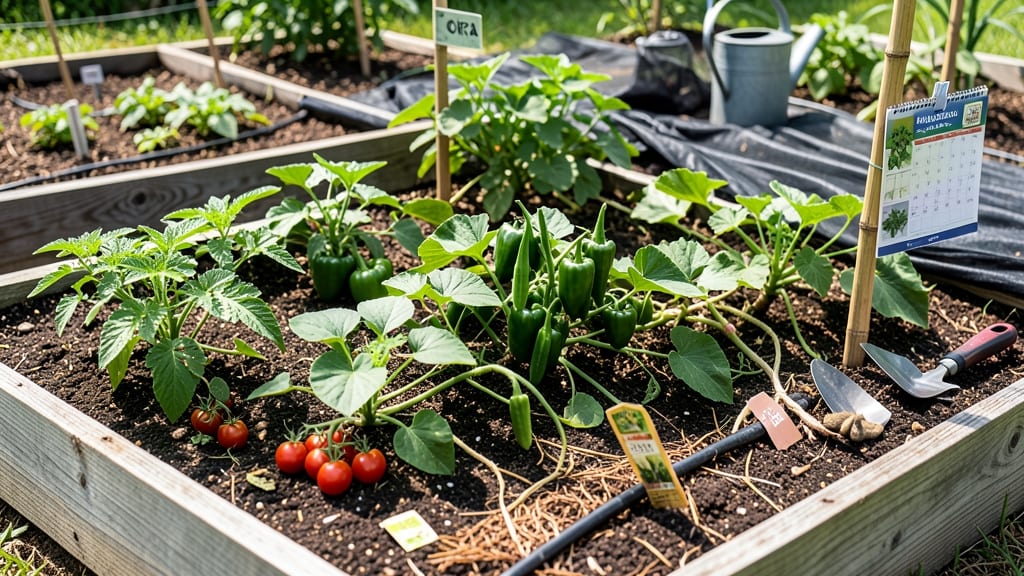
Planting your garden in Florida at the right time means the difference between a thriving harvest and a wilting disappointment—especially when the heat arrives early.
Florida’s long growing season and intense heat can make timing your garden planting tricky—but getting it right means bountiful harvests year-round. Whether you’re a beginner or a seasoned gardener, knowing when to start your 🌱 seeds or transplants is the key to success.
North Florida’s cooler winters and South Florida’s year-round warmth create huge differences in planting schedules. A tomato planted too early in the Panhandle might bolt in the heat, while the same variety thrives in Miami with the right timing.
Below, I’ll break down the exact months to plant your favorite vegetables and flowers, adjust for your region, and share pro tips to avoid common mistakes that waste time and money.
Florida planting calendar by month: best times for heat-tolerant vegetables
Florida's year-round growing potential means you can enjoy fresh produce even during scorching summers—but timing is everything. Heat-tolerant vegetables like tomatoes, peppers, and okra thrive when planted at the right moment, avoiding both early heat stress and late-season pests.
Let's break down the ideal planting windows by month to maximize your harvest.
Unlike northern climates, Florida gardeners don't have to wait for spring. Warm-season crops can go straight into the ground when soil temperatures hit 65°F+, while cool-season crops (like lettuce) prefer 60-70°F soil.
The key is matching each plant's temperature preferences with Florida's humid, hot seasons—here's exactly when to plant each crop for peak performance.
📅 January-February: Start cool-season crops like peas and snap beans, but focus on warm-season prep. Soil temps are still cool, but you can direct-sow okra in South Florida or start transplants indoors for North Florida. Sweet potatoes can be planted in warmer microclimates like Miami.
🌱 March-April: The perfect window for most heat-loving vegetables. Tomatoes, peppers, and eggplants should be transplanted outdoors when night temps stay above 55°F. Direct-sow okra, sweet potatoes, and southern peas—these thrive in hot, humid conditions once soil warms to 70°F+.
☀️ May-June: Peak planting time for summer crops. Okra and sweet potatoes love this heat, while peppers and tomatoes benefit from shade cloth during 100°F+ days. Succession plant beans and cucumbers every 2-3 weeks for continuous harvests. Mulch heavily to retain moisture.
🌡️ July-August: Focus on heat-resistant varieties. Okra and sweet potatoes continue thriving, while peppers and tomatoes may need afternoon shade. Plant fall crops early—cabbage and broccoli seedlings can handle 90°F+ soil if watered deeply. Avoid planting anything heat-sensitive.
🌿 September-October: Transition to fall planting. Cool-season crops like lettuce, spinach, and carrots can now go in, but warm-season crops like tomatoes and peppers can still produce. Succession plant green onions and radishes for quick harvests before winter. Soil prep is key—add compost to improve fertility.
🍠 November-December: Focus on winter greens and root vegetables. Plant kale, collards, and turnips for holiday harvests, while sweet potatoes can still be harvested in South Florida. Protect tender plants with row covers if frost threatens (rare in South Florida, but possible in North). Plan next year's warm-season crops indoors.
Florida Heat-Tolerant Planting Summary
| Plant | Best Months | Soil Temp | Sun Needs | Key Tip | ||||||||||||||||||||||||
|---|---|---|---|---|---|---|---|---|---|---|---|---|---|---|---|---|---|---|---|---|---|---|---|---|---|---|---|---|
| Tomatoes | Mar-May, Sep-Oct | 65°F+ | Full Sun | Use shade cloth in summer | ||||||||||||||||||||||||
| Peppers | Feb-Apr, Aug-Sep | 60°F+ | Full Sun | Mulch to retain moisture | ||||||||||||||||||||||||
| Okra | Mar-Oct | 70°F+ | Full Sun | Direct-sow after last frost | ||||||||||||||||||||||||
| Sweet Potatoes | Apr-Jun, Aug-Sep | 65°F+ | Full Sun | Plant slips, not seeds | ||||||||||||||||||||||||
| Southern Peas | Mar-May, Aug-Sep | 65°F+ | Full Sun | Succession plant every 2 weeks | ||||||||||||||||||||||||
| Eggplants | Feb-Apr, Aug-Sep | 60°F+ | Full Sun |
How Florida’s microclimates affect planting schedules (North vs. central vs. south)Florida’s microclimates create dramatic differences in planting schedules—what works in North Florida may fail in South Florida. The key factors? Frost dates, humidity levels, and heat intensity. For example, Gainesville (Zone 8a) can see light frosts in January, while Miami (Zone 10b) rarely drops below 40°F. These variations mean your cool-season crops like broccoli or lettuce may thrive in the north but wilt in the south. Even within regions, urban vs. rural and coastal vs. inland zones shift planting windows. Coastal areas like Tampa experience higher humidity and salt spray, while inland cities like Orlando face drier, hotter summers. High-altitude exceptions, like the Ocala National Forest, can have 5°F cooler temperatures than nearby cities, delaying planting by 2-3 weeks. Here’s how to adjust your planting schedule based on Florida’s three main regions: Region |
Last Frost Date |
First Frost Date |
Best Time for Cool-Season Crops |
Best Time for Warm-Season Crops |
Humidity Adjustments |
North Florida (e.g., Gainesville, Tallahassee) |
Mid-February |
Mid-December |
September–November, February–April |
April–June, August–October |
Lower humidity; mulch to retain moisture |
Central Florida (e.g., Orlando, Ocala) |
Late January |
Early January |
October–December, February–March |
March–May, July–September |
Moderate humidity; shade cloth for summer |
South Florida (e.g., Miami, Fort Lauderdale) |
Never (Zone 10b) |
Never (Zone 10b) |
Year-round with shade; avoid peak summer |
Year-round; prioritize heat-tolerant varieties |
High humidity; improve airflow and drainage |
For urban gardens, like those in Miami’s downtown, heat islands can push temperatures 5–10°F higher than rural areas, making it safer to plant warm-season crops like okra or sweet potatoes 2 weeks earlier. Conversely, coastal gardens near Tampa Bay may need to plant cool-season crops in shaded areas to avoid salt stress from ocean breezes. Adjust for high-altitude exceptions like Lake County or the Apalachicola region, where cooler microclimates allow for extended cool-season planting. For example, you can plant cabbage in October in these zones, while South Florida gardeners should wait until December. Pro tip: Use local weather stations (like those from the UF/IFAS Extension) to track heat waves and humidity spikes. In North Florida, a sudden cold snap in March can damage young tomato plants, while South Florida may face hurricane season delays in June–October. Plan accordingly! 🌱 |