
Planting
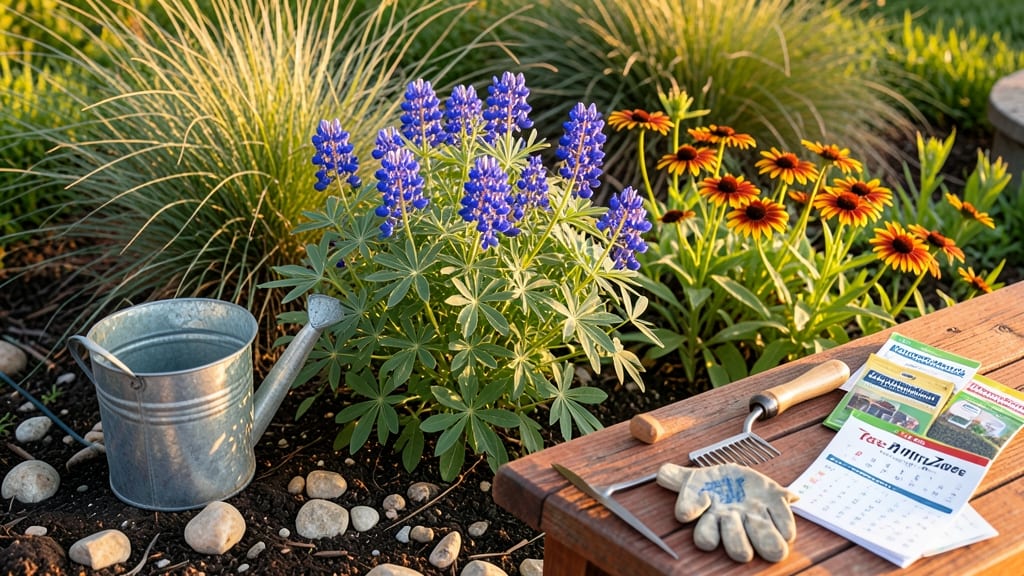
Planting a garden in Texas requires knowing the exact timing to beat the heat—miss the window, and your crops will bolt or wilt before harvest.
Texas gardeners know timing is everything—plant too early, and your crops wilt under scorching summer heat; too late, and you miss the growing season entirely. But with the right heat-resistant crops and strategic planting windows, you can cultivate a thriving garden year-round without waste.
From the High Plains to the Gulf Coast, Texas’ diverse climate zones mean your neighbor’s perfect schedule might leave your tomatoes struggling. Whether you’re in Zone 8 or Zone 10, the key is aligning your planting with soil warmth, frost dates, and heat tolerance.
Here’s your actionable timeline for zero-waste gardening: when to start seeds indoors, when to transplant heat-lovers like okra and peppers, and how to stretch your harvest into fall with smart succession planting.
Texas planting zones & best months for heat-resistant vegetables
Texas spans multiple USDA planting zones, from Zone 6b in the Panhandle to Zone 10a along the Gulf Coast. These zones dictate when you can safely plant heat-resistant vegetables like okra, sweet potatoes, and black-eyed peas without risking frost damage or heat stress.
Understanding your specific zone helps you align planting with Texas’ long, brutal summers and mild winters.
In North Texas (Zones 7-8), gardeners typically start warm-season crops in late March to April after the last frost date, while Central Texas (Zones 8-9) can begin as early as February in protected microclimates. South Texas (Zones 9-10) enjoys year-round growing potential, but even here, timing matters to avoid midday heat spikes that can scorch seedlings.
Below is your Texas planting zone guide, including exact months for heat-tolerant vegetables and how to adjust for your local microclimate—whether you’re in the High Plains, Hill Country, or Gulf Coast. This ensures your garden thrives without waste.
| Zone & Region | Best Planting Months | Heat-Resistant Crops | Key Tips |
|---|---|---|---|
| North Texas (6b-8a) | Late March–April (warm crops) | Okra, Black-Eyed Peas, Sweet Potatoes | Wait for soil temps >60°F; use mulch. |
| Central Texas (8b-9a) | February–March (protected areas) | Peppers, Tomatoes, Cowpeas | Start seeds indoors; shade cloth for seedlings. |
| South Texas (9b-10a) | Year-round (spring/fall best) | Eggplant, Malabar Spinach, Yard-Long Beans | Plant in early morning to avoid heat shock. |
| All Zones | September–October (fall crops) | Kale, Collards, Turnips | Leverage cooler temps for cool-season greens. |
For North Texas gardeners, focus on late spring planting (after April 15) to avoid unpredictable late frosts. Use row covers for early seedlings and prioritize drought-tolerant varieties like ‘Clemson Spineless’ okra, which thrives in 90°F+ heat.
In Central Texas, where summers are longer and hotter, start peppers and tomatoes indoors in February and transplant after April 1.
In South Texas, the key is timing around rainfall. Plant warm-season crops like eggplant in June–July when monsoon rains arrive, then succession plant every 2–3 weeks for continuous harvests. Avoid planting during peak August heat (95°F+), as even heat-resistant crops struggle to establish roots.
Microclimates play a huge role in Texas. For example, Hill Country gardens in Zone 8 may experience 10°F temperature swings between day and night, while Gulf Coast areas stay consistently warm.
If you’re in a valley or near water, you can plant 2–4 weeks earlier than the general guidelines. Use a soil thermometer to confirm 60°F+ soil temps before planting warm-season crops.
Pro tip: Mulch heavily with straw or wood chips to retain moisture and regulate soil temperature. This is especially critical in West Texas, where evaporation rates can dry out seedlings in hours.
Pair mulch with drip irrigation set to early morning watering to minimize fungal risks from evening moisture.
Don’t overlook fall planting—it’s the secret to zero-waste gardening in Texas. After Labor Day, shift to cool-season crops like broccoli and carrots. These thrive in fall’s milder temps and can often be harvested until December in South Texas.
Use shade cloth (30–50%) for late summer seedlings to ease them into cooler weather.
Finally, align your planting with moon phases for faster germination. Root crops (like sweet potatoes) planted during a waxing moon establish deeper roots, while leafy
Top 7 heat-resistant crops to plant in Texas (with exact timing)
Texas summers can be brutal, but that doesn’t mean your garden has to suffer. The key is planting heat-resistant crops at the right time to ensure they thrive—not just survive. I’ve grown these Texas-friendly plants for years, and they consistently deliver even when temperatures soar past 100°F. The secret?
Strategic planting windows and companion planting to protect your crops from heat stress.
For example, okra and sweet potatoes love the heat, but they need to be planted after the last frost date—usually mid-April in North Texas and mid-March in South Texas.
Meanwhile, black-eyed peas and peppers can handle the Texas sun if you give them a head start indoors or use shade cloths during the hottest afternoons.
- 🌱 Okra – Plant April 15–May 15 (North TX) or March 1–April 15 (South TX). Thrives in 90°F+ heat; harvest pods at 3–4 inches.
- 🌿 Sweet Potatoes – Start slips after May 1 (soil must be 70°F+). Harvest 90–120 days later for maximum sweetness.
- 🌶️ Peppers (Jalapeño, Serrano) – Sow seeds Feb 15–March 15 indoors or March 30–April 15 outdoors. Transplant after last frost.
- 🍉 Watermelon – Plant seeds March 15–April 15 (soil 65°F+). Use black plastic mulch to speed ripening.
- 🌻 Black-Eyed Peas – Direct sow Sept 15–Oct 15 (fall crop) or March 1–March 15 (spring). Fixes nitrogen in soil.
- 🍅 Heat-Tolerant Tomatoes (Solar Fire, Heatmaster) – Transplant April 15–May 15. Prune suckers to improve airflow and reduce heat stress.
- 🥒 Cucumbers (Lemon, Straight Eight) – Sow seeds April 1–May 1. Trellis vines to avoid soil-borne diseases in heat.
One of my favorite companion planting tricks is pairing okra with basil—the basil repels pests like spider mites, which love okra in the heat. For peppers, I always plant them near marigolds to deter aphids.
And if you’re growing watermelons, interplant them with radishes; the radishes mature quickly and mark the soil for the slower-growing melons.
Don’t forget to mulch heavily with straw or wood chips to retain moisture and keep roots cool. I’ve seen gardens in 105°F heat thrive with this simple trick—it’s like giving your plants a built-in AC unit.
Water deeply in the early morning to prevent evaporation, and avoid overhead watering during peak sun to reduce fungal risks.
With these heat-resistant crops and precise timing, you’ll enjoy a bountiful harvest even when Texas bakes under the sun. Start with just a few varieties, master the timing, and gradually expand your garden.
Before you know it, you’ll be the envy of the neighborhood with zero wasted effort and maximum flavor!